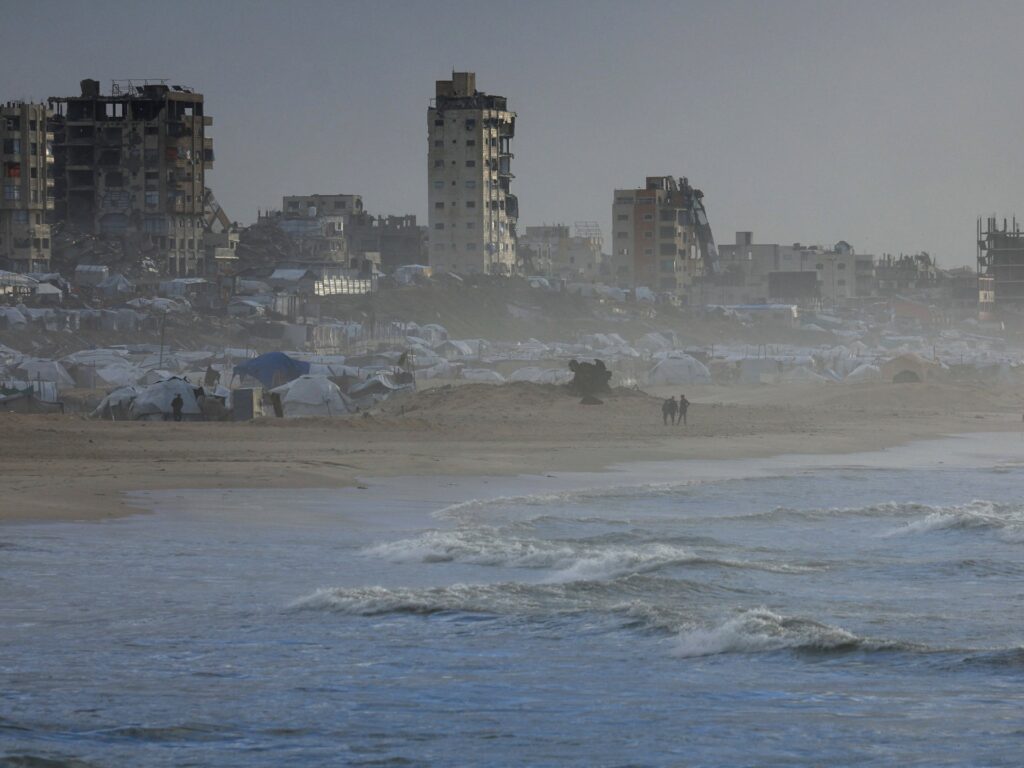
The Gaza Strip is facing a dire humanitarian crisis as extreme cold weather conditions sweep through the Palestinian enclave, exacerbating the suffering of its residents. Tragically, the latest victim of this harsh winter is an infant, who has succumbed to the unforgiving cold conditions. This heartbreaking incident underscores the escalating humanitarian emergency in the region.
Israel’s ongoing blockade of Gaza is severely restricting access to essential supplies and aid, including critical items such as mobile homes that could provide much-needed shelter against the cold. The blockade has stifled efforts by humanitarian organizations to deliver indispensable resources to the vulnerable population living in the enclave.
The blockade has not only affected shelter provisions but has also impeded the entry of heating equipment, warm clothing, and medical supplies, thereby intensifying the impact of the freezing temperatures on Gaza’s residents, especially children and infants who are most susceptible to cold-related illnesses.
Human rights organizations and international bodies have repeatedly called on Israel to ease the blockade and allow the free flow of humanitarian aid into Gaza. They stress the urgency of the situation as the lives of many, particularly children, hang in the balance due to inadequate shelter, inadequate heating, and scarcity of medical care.
Local hospitals in Gaza are also overwhelmed with cases of hypothermia and respiratory infections among children and the elderly, conditions fueled by the extreme cold and lack of adequate care and facilities.
The death of this infant is a grim reminder of the consequences of the political and security stalemate on ordinary civilians. It highlights the urgent need for all parties involved to prioritize humanitarian concerns over political conflicts and ensure that life-saving aid can reach those in desperate need.
Efforts by international aid organizations to provide assistance have been hampered by the blockade, yet they continue to advocate for humanitarian access and work tirelessly to support the affected population. Their calls appeal to the global community to intervene and pressure for the lifting of restrictions to save lives and prevent further tragedies.
As Gaza faces the brunt of winter, the situation calls for immediate international attention. The plight of its residents, especially vulnerable infants and children, must be addressed with compassion and urgency. Without swift action to ease the blockade and increase humanitarian aid delivery, more lives are at risk in this already impoverished and troubled region.
In conclusion, the tragic death of another infant in Gaza due to extreme cold is a stark symbol of the humanitarian crisis unfolding amidst Israel’s blockade. It underscores the critical need for lifting restrictions on vital aid and implementing measures that protect the health and safety of Gaza’s population during these perilous times. The international community faces a moral imperative to respond decisively to prevent further loss of innocent lives.