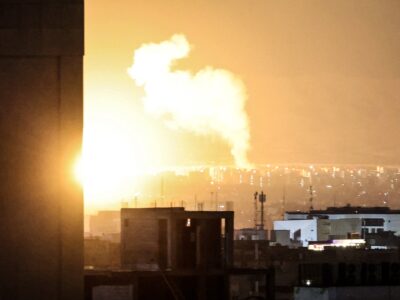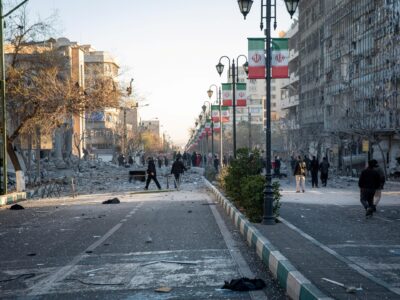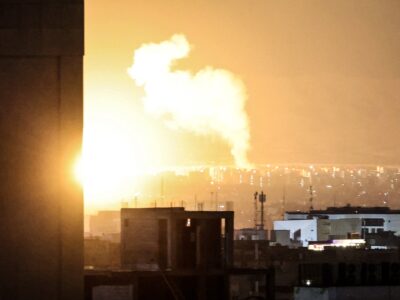
A drone strike recently targeted a building in Aleppo governorate, marking a significant escalation in an area where hostilities had been relatively contained. This incident follows the Syrian army’s declaration of a ceasefire, which many hoped would lead to a reduction in violence.
Previously, the conflict had largely been restricted to the Ashrafieh and Sheikh Maqsoud neighborhoods, zones that have endured continuous clashes. The recent drone attack, however, has expanded the theater of conflict beyond these areas.
Aleppo, one of Syria’s largest cities and a key battleground during the Syrian civil war, has witnessed fluctuating periods of intense fighting and ceasefires over the years. The Syrian army’s announcement of a ceasefire was seen as a hopeful step toward peace, raising expectations for a potential de-escalation and stabilization.
Despite this, the drone strike on the governorate building represents a direct challenge to the ceasefire’s effectiveness and signals a possible widening of hostilities. The use of drone technology in the Syrian conflict has become increasingly prevalent, allowing for targeted, remote attacks that complicate traditional ceasefire enforcement.
Local authorities condemned the attack, emphasizing the dangers such escalations pose to civilian populations and the fragile political situation. The strike has raised concerns about the possibility of renewed confrontations spreading throughout Aleppo and surrounding areas, endangering lives and disrupting any ongoing peace efforts.
The international community has urged all parties involved in the conflict to adhere strictly to ceasefire agreements to allow humanitarian aid to reach those in need and to create conditions conducive to lasting peace negotiations. However, the recent drone assault highlights the challenges in achieving such compliance.
Experts note that the use of unmanned aerial vehicles (UAVs) introduces new complexities in conflict zones like Syria. Identifying the parties responsible for drone strikes can be difficult, further complicating accountability and diplomacy.
The Syrian army and allied groups have yet to publicly respond in detail to the drone strike, but the incident is expected to influence strategic decisions moving forward. Increased vigilance and potential military responses could further destabilize the region.
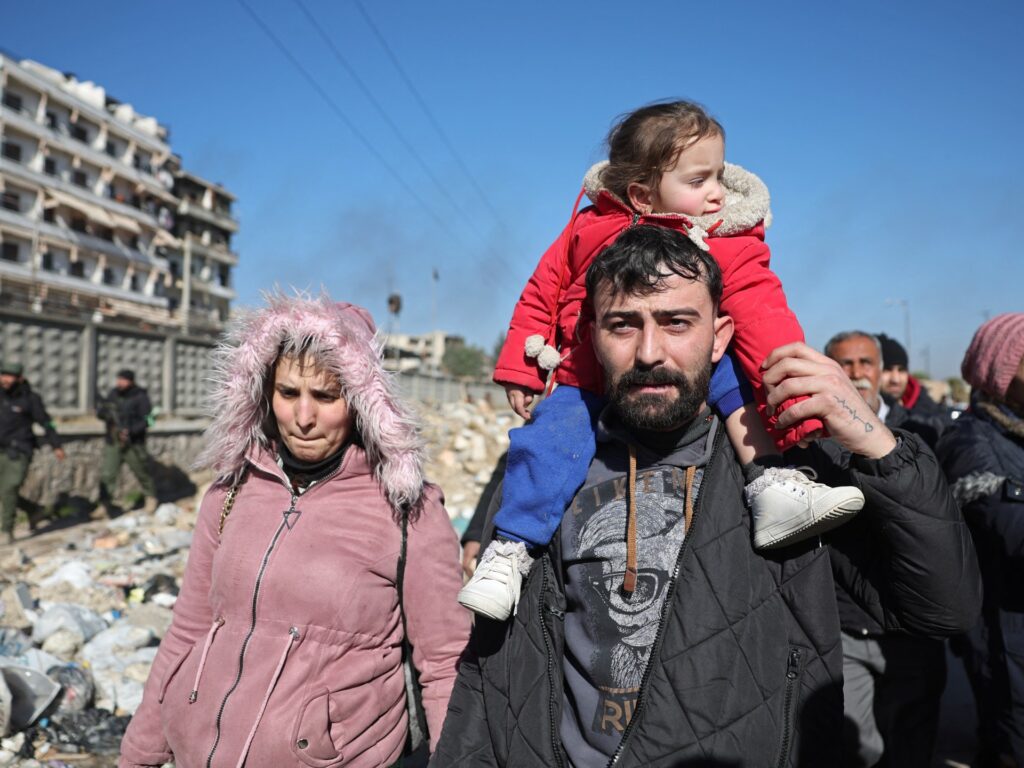
Residents of Aleppo have expressed fear and uncertainty, worried that the fragile ceasefire may collapse entirely, leading to renewed bloodshed and displacement.
This recent attack underlines the precarious nature of ceasefires in active conflict zones, especially where multiple factions and external actors are engaged. The future of Aleppo’s stability hangs in the balance as all sides navigate this volatile situation.
In conclusion, the drone strike on a building in Aleppo governorate after the Syrian army declared a ceasefire marks a troubling escalation of conflict. It challenges hopes for peace and underscores the need for renewed efforts by local and international actors to enforce ceasefire agreements and promote lasting stability in Syria.