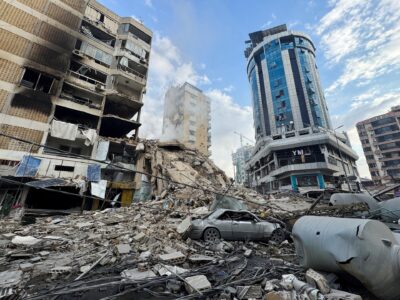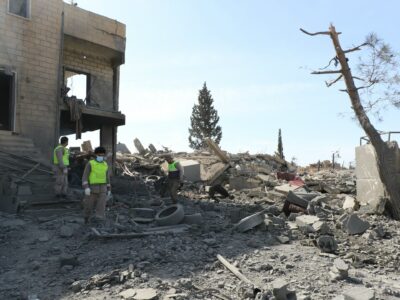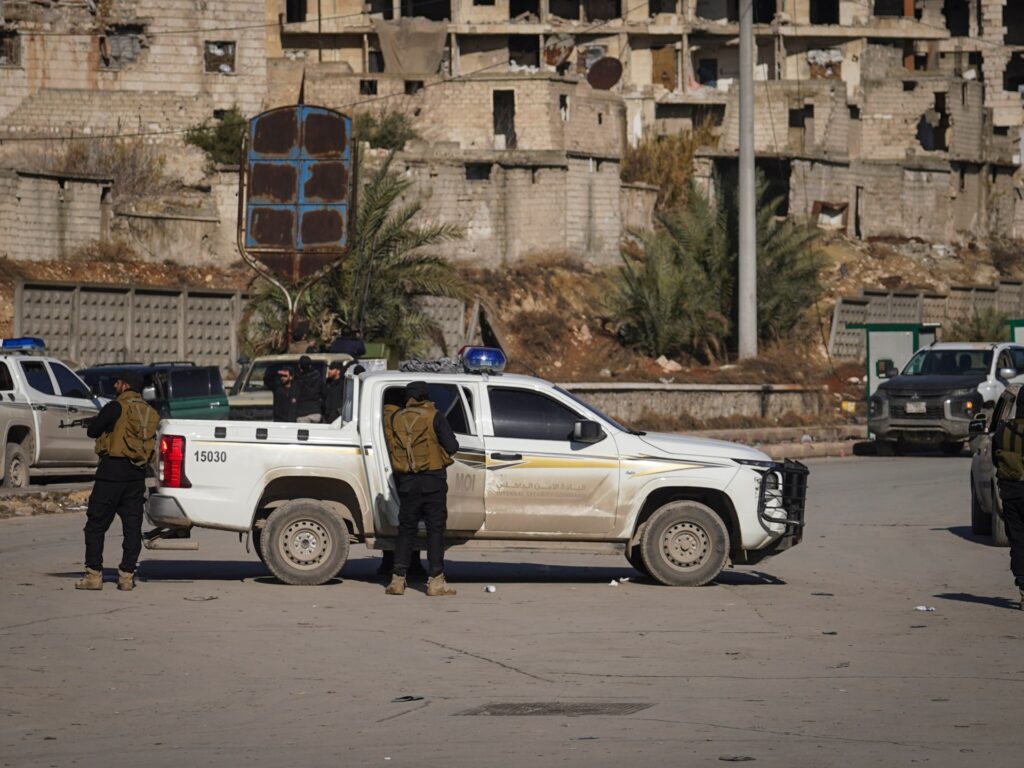
In a recent and alarming development, a drone attack targeted the governorate building located in the heart of Aleppo city centre, Syria. This incident underscores the ongoing volatility and unrest in this strategically significant region. According to reports from the Syrian state news agency, the Syrian army has decided to suspend all military activities in Aleppo’s Sheikh Maqsoud district.
The attack on the governorate building marks a tense moment for the city, which has been a focal point of conflict during the prolonged Syrian civil war. Drones have increasingly been used in the conflict, representing a shift toward more modern, remote methods of warfare that complicate traditional military responses.
Sheikh Maqsoud, known as a predominantly Kurdish district within Aleppo, has witnessed fluctuating control between multiple factions throughout the conflict. The suspension of military activities by the Syrian army may be an attempt to de-escalate tensions and prevent further violence in the area.
Experts suggest that the drone attack could be a provocation aimed at destabilizing the fragile ceasefire or negotiation processes ongoing in the city. It also highlights the challenges the Syrian government faces in maintaining security and control over Aleppo, a city that has seen intense fighting and sieges in past years.
The use of drones in Syria’s conflict has evolved into a tool for both state and non-state actors, with attacks like this echoing wider trends in modern warfare where unmanned aerial vehicles play critical roles in reconnaissance, targeted strikes, and psychological warfare.
Local authorities and residents of Aleppo have expressed concern and fear following the drone strike, as it threatens to reignite conflict in a part of the city striving for normalcy after years of devastation.
The Syrian government’s suspension of military operations in Sheikh Maqsoud could be interpreted as a strategic move to consolidate forces or to engage in dialogue with other factions controlling the district. This pause in hostilities might also provide a window for humanitarian aid and reconstruction efforts in the heavily affected areas.
International observers and peace advocates are closely watching the developments in Aleppo, urging all parties to uphold ceasefires and seek peaceful resolutions to the ongoing conflict. The drone attack, however, complicates such efforts, introducing new challenges to stability and security.
As Aleppo continues to recover from years of warfare, the threat posed by drone attacks serves as a stark reminder of the persistent dangers and the fragile nature of peace in the region. Further updates from state agencies and ground sources are awaited to fully understand the ramifications of this incident and the future military posture of the Syrian army in Aleppo.