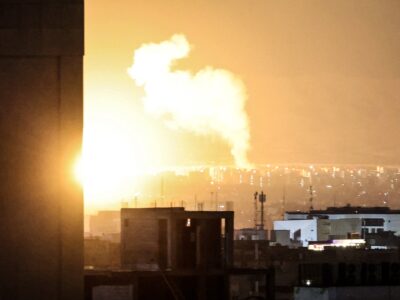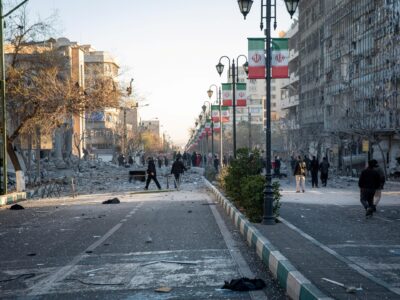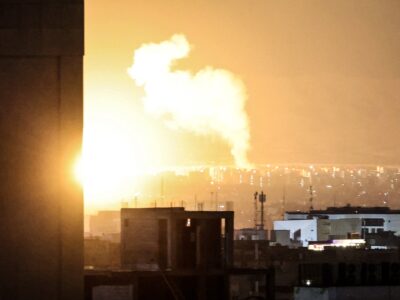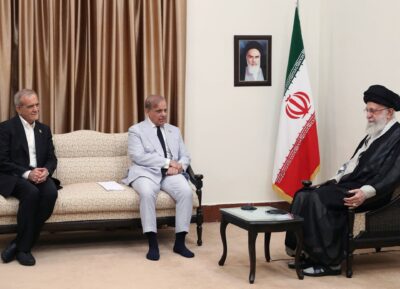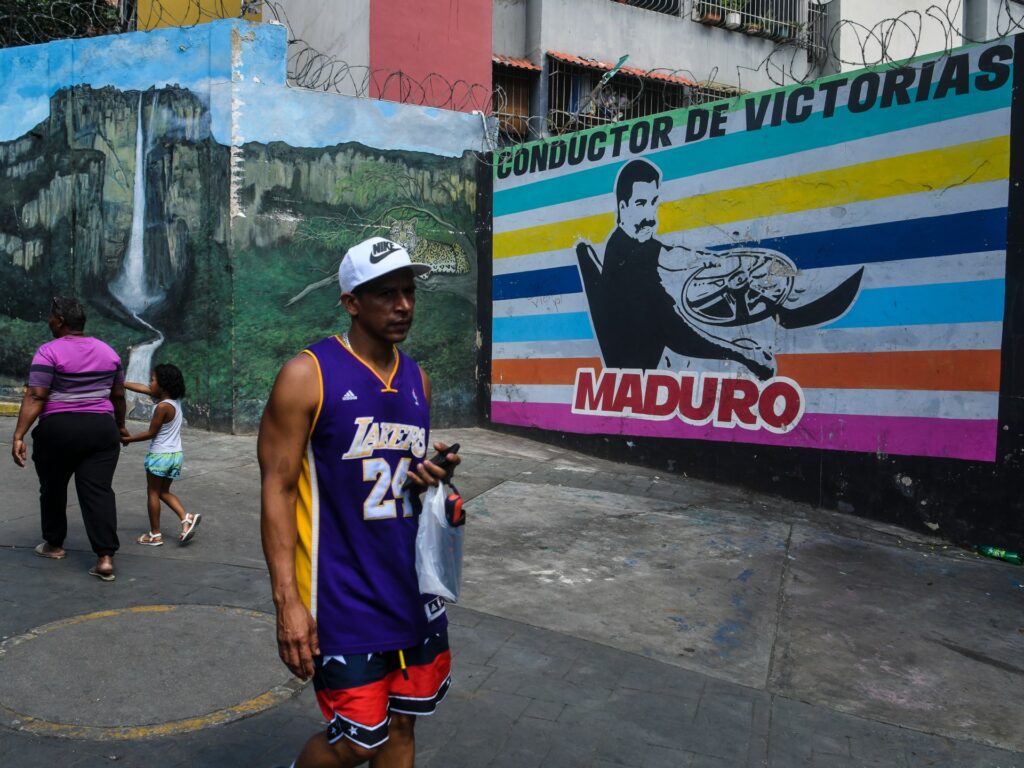
In a surprising turn of events, U.S. President Donald Trump has decided to cancel the second wave of attacks on Venezuela following what he described as ‘cooperation’ from Venezuelan authorities. The announcement marks a significant shift in the United States’ approach to the ongoing crisis in Venezuela, where political and economic turmoil has escalated tensions both domestically and internationally.
President Trump revealed his decision amidst a backdrop of heightened geopolitical tensions in the region. The initial attacks were reportedly poised to intensify pressure on the Venezuelan government, which has faced widespread criticism for its handling of economic collapse and political repression. However, the cancellation indicates a possible opening for diplomatic engagement, altering the anticipated course of U.S. foreign policy.
Adding to the developments, President Trump disclosed plans to meet with oil executives at the White House this Friday to discuss Venezuela’s vast oil industry. Venezuela holds some of the world’s largest proven oil reserves, and its petroleum sector has been a focal point in the crisis. The collaboration with oil industry leaders suggests a strategic move to evaluate and possibly influence the future of Venezuela’s oil production and its role in the global energy market.
This diplomatic and economic overture comes at a time when Venezuela is grappling with severe economic challenges, including hyperinflation, widespread shortages of basic goods, and a collapsing infrastructure. The U.S. had previously imposed stringent sanctions on the Venezuelan oil sector, citing concerns over the governance of Nicolás Maduro’s regime and its impact on regional stability.
The cancellation of further attacks may signal a reassessment of U.S. tactics, favoring negotiation and economic dialogue over military intervention. It also underscores the importance of Venezuela’s oil resources in shaping international responses to the crisis.
Experts suggest that this new approach could lead to renewed efforts at resolving the political deadlock in Venezuela. It might encourage other international stakeholders to engage more constructively with the Maduro government and opposition forces alike.
President Trump’s announcement has been met with mixed reactions across the political spectrum. Supporters argue that cooperation and dialogue are essential for achieving sustainable peace and economic recovery. Critics, however, remain skeptical, cautioning that such moves might embolden authoritarian elements within Venezuela and undermine efforts to hold the government accountable.
The upcoming meeting with oil executives is expected to delve into the viability of increasing oil production, investment opportunities, and the potential easing of sanctions to stimulate Venezuela’s energy sector. This engagement reflects the United States’ recognition of the interconnectedness of economic stability and political reform in addressing Venezuela’s crisis.
As the situation develops, international observers will be closely watching the outcomes of these discussions and their implications for regional security and energy markets. The cancellation of the second wave of attacks and the pivot towards dialogue signify a critical juncture that could redefine U.S.-Venezuela relations moving forward.
In summary, President Trump’s cancellation of further military actions against Venezuela and his proactive engagement with the oil industry highlight a strategic shift towards cooperation and economic diplomacy. This change promises to influence the trajectory of the Venezuelan crisis and the broader geopolitical landscape in Latin America.