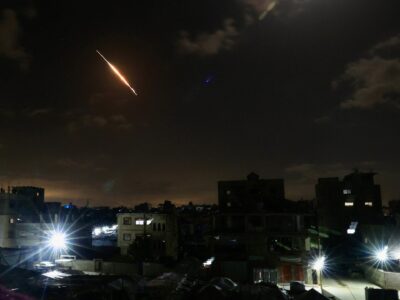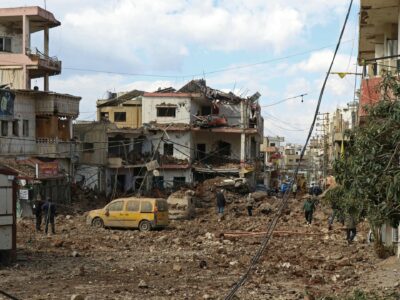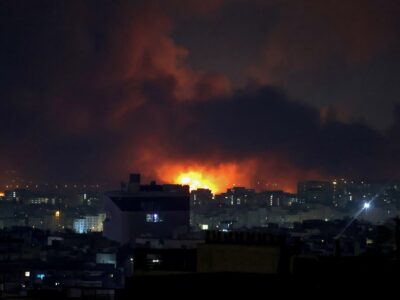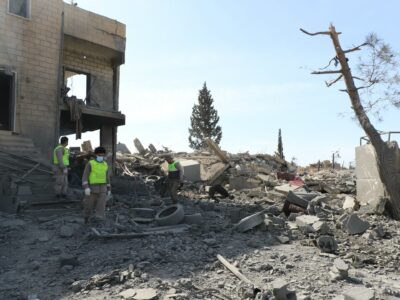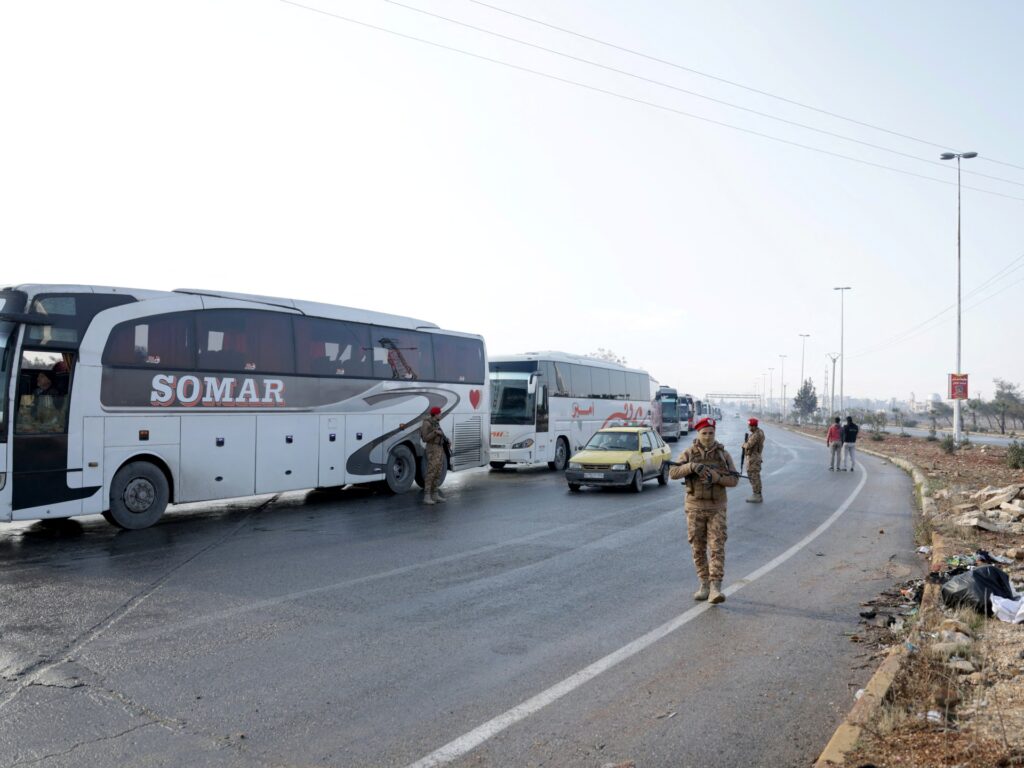
Syria’s Defence Ministry has declared a truce in Aleppo following intense fighting that resulted in the deaths of 22 people. The ceasefire comes amid ongoing conflict in the region, particularly in Aleppo’s contested neighborhoods. As part of the newly announced ceasefire, the Syrian Army stated that fighters from the Kurdish-led Syrian Democratic Forces (SDF) would be allowed to exit Aleppo safely. This development marks a potential de-escalation in hostilities that have caused significant casualties and displacement.
The fighting in Aleppo is part of the broader Syrian civil war, which has been ongoing for over a decade and has involved multiple factions vying for control. Aleppo, Syria’s largest city before the war, has been a key battleground due to its strategic importance and diverse population. The recent clashes erupted in certain neighborhoods of Aleppo, leading to a surge in violence and loss of life.
The Defence Ministry’s announcement underscores an effort to halt the immediate violence and allow for negotiations or further political processes to unfold. The inclusion of a provision for SDF fighters to leave suggests possible coordination or understanding between different parties on the ground, which could be a step towards broader reconciliation or at least a reduction in fighting.
The ceasefire is a critical moment as it may provide respite for civilians caught in the crossfire and help in delivering humanitarian aid to those affected by the conflict. International observers and humanitarian organizations have long expressed concern over the humanitarian situation in Aleppo and other parts of Syria, where ongoing violence has led to widespread suffering.
This development may also have political ramifications. The Syrian government, backed by Russia and Iran, continues to regain territories previously held by opposition groups, but tensions remain high, especially with Kurdish forces who control parts of northeastern Syria. Allowing SDF fighters to exit Aleppo could indicate a shift in strategic priorities or a tactical pause in hostilities to focus on other fronts.
The local population in Aleppo has experienced years of hardship due to the conflict, including destruction of homes, infrastructure, and vital services. A ceasefire, even temporary, offers hope for stabilization and rebuilding efforts to take root.
While the announcement is a positive step, the situation remains volatile with the potential for renewed fighting. Continued monitoring and diplomatic efforts will be essential to ensure that this ceasefire leads to lasting peace in Aleppo. The coming days will reveal whether the truce holds and whether broader negotiations involving all key stakeholders can take place to address the complex dynamics of the Syrian conflict.
The international community’s role remains crucial in supporting peace efforts and providing humanitarian assistance. As Syria navigates this challenging period, the emphasis must be on protecting civilians and restoring security.
In conclusion, the Syrian Defence Ministry’s declaration of a ceasefire in Aleppo, along with allowing SDF fighters to exit the city, represents a significant development in the ongoing conflict. It offers a glimmer of hope for peace and stability in a region long marred by violence, signaling a possible turning point in the efforts to end hostilities and alleviate human suffering.