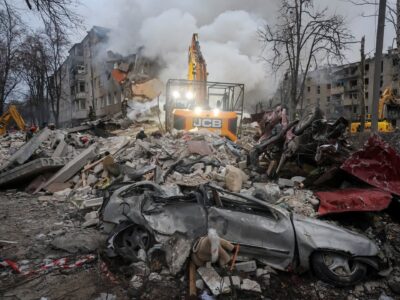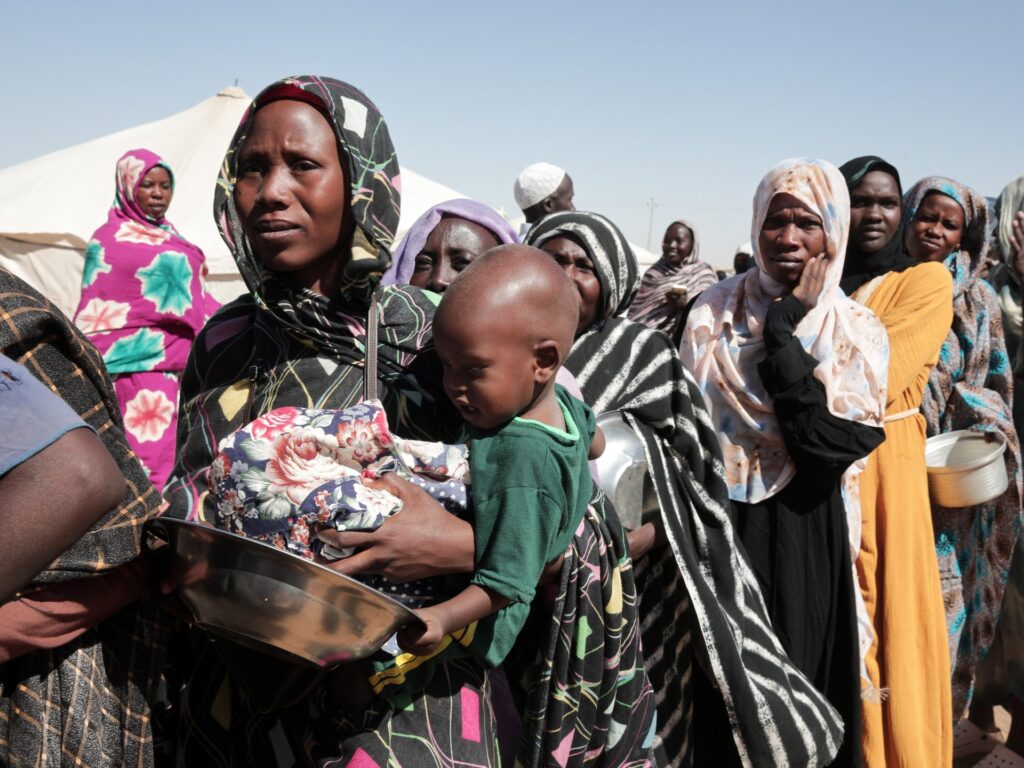
Sudan is facing a dire humanitarian crisis as it marks 1,000 days of ongoing war. Fierce fighting within the country, coupled with significant cuts in global funding, has pushed more than 33 million people toward starvation. This prolonged conflict has devastated the lives of millions, destroying homes, disrupting food supplies, and overwhelming medical services.
Non-governmental organizations (NGOs) have repeatedly called for urgent international assistance to address the crushing needs of the population. The situation is exacerbated by access constraints, with many areas remaining difficult or impossible for aid agencies to reach safely due to ongoing violence and insecurity.
The war has triggered massive displacement, internally as well as across borders, with refugees seeking safety in neighboring countries. These displacement crises place additional strain on regional resources and international humanitarian systems.
Food insecurity has become critical, driven by the disruption of agricultural activities and supply chains. Many families have exhausted their savings and coping mechanisms, facing malnutrition and starvation risks.
Health services are overwhelmed, grappling with shortages of medicines, medical staff, and infrastructure damages. This has compounded the suffering, especially among vulnerable groups including children, pregnant women, and the elderly.
The funding cuts from donor countries and agencies have come at a time when aid needs are escalating, leaving humanitarian responders struggling to maintain basic assistance programs. NGOs warn that without renewed funding and increased support, the crisis will worsen further, causing irreversible damage.
International calls to stop hostilities and create humanitarian corridors have thus far had limited success. Continued conflict impedes aid delivery and prolongs civilian suffering.
As Sudan marks this grim milestone of 1,000 days of war, the international community is urged to intensify diplomatic efforts for peace, increase humanitarian aid contributions, and ensure safe access for relief operations. Urgent and coordinated action is crucial to prevent further loss of life and alleviate the profound hardships faced by millions in Sudan.