The humanitarian crisis in Gaza has deepened dramatically, particularly for cancer patients who face life-threatening delays in receiving essential chemotherapy treatment. Reports indicate that the number of cancer-related deaths in Gaza has tripled, a stark consequence of the ongoing blockade and restrictions imposed on medical supplies.
Doctors in Gaza have sounded the alarm, revealing that while Israel allows the entry of non-essential items such as chocolates and chips into the region, it continues to block the import of critical chemotherapy drugs necessary to treat cancer patients. This selective allowance has triggered widespread outrage among healthcare professionals and human rights advocates alike.
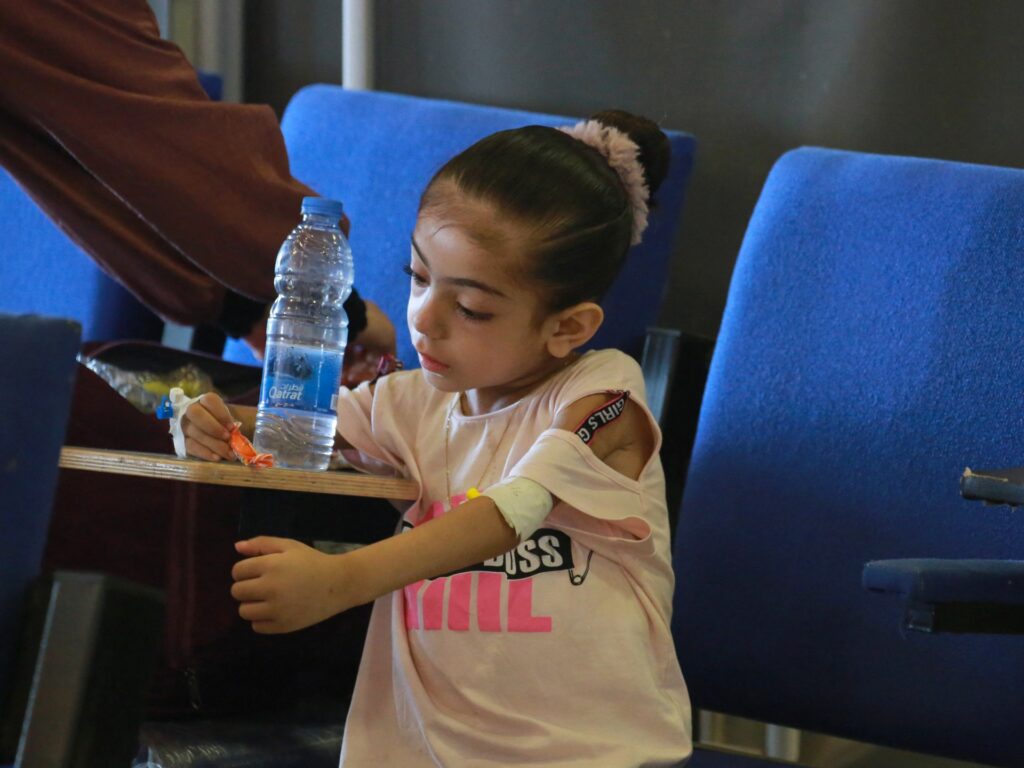
Patients diagnosed with cancer in Gaza find themselves in a heartbreaking predicament. Many are reporting they “just sit and cry” as they wait without access to the life-saving medications they desperately need. The blockade has disrupted the supply chain for chemotherapy drugs and other cancer treatments, making them unavailable in hospitals and clinics across Gaza.
Healthcare workers describe harrowing scenes in oncology wards, where children, adults, and elderly patients face the grim reality of untreated cancer worsening daily. The scarcity of chemotherapy drugs not only stalls ongoing treatments but also constrains diagnosis and care, severely reducing patients’ chance of survival.
International medical organizations have repeatedly called for the immediate lifting of restrictions to allow unimpeded access of medical supplies into Gaza. They emphasize that denying cancer drugs violates basic human rights and international humanitarian laws. Delays in treatment result not only in fatal outcomes but also in increased suffering due to untreated disease symptoms.
The Israeli authorities defend their blockade on grounds of security, but critics argue that the refusal to permit crucial medicines crosses the line into collective punishment of Gaza’s civilian population, many of whom are innocent patients.
The dire situation is exacerbated by Gaza’s already strained healthcare infrastructure, a result of years of conflict and limited resources. Hospitals and clinics are overwhelmed and unable to cope with the rising demand for cancer care.
Families of patients recount stories of helplessness and despair. Reduced to tears, they advocate loudly for the humanitarian imperative to prioritize health over politics and to ensure the free flow of vital medical supplies.
As the world watches, the tragic plight of Gaza’s cancer patients serves as a stark reminder of the human cost of political conflict and the urgent need for international solidarity to address this unfolding health emergency.