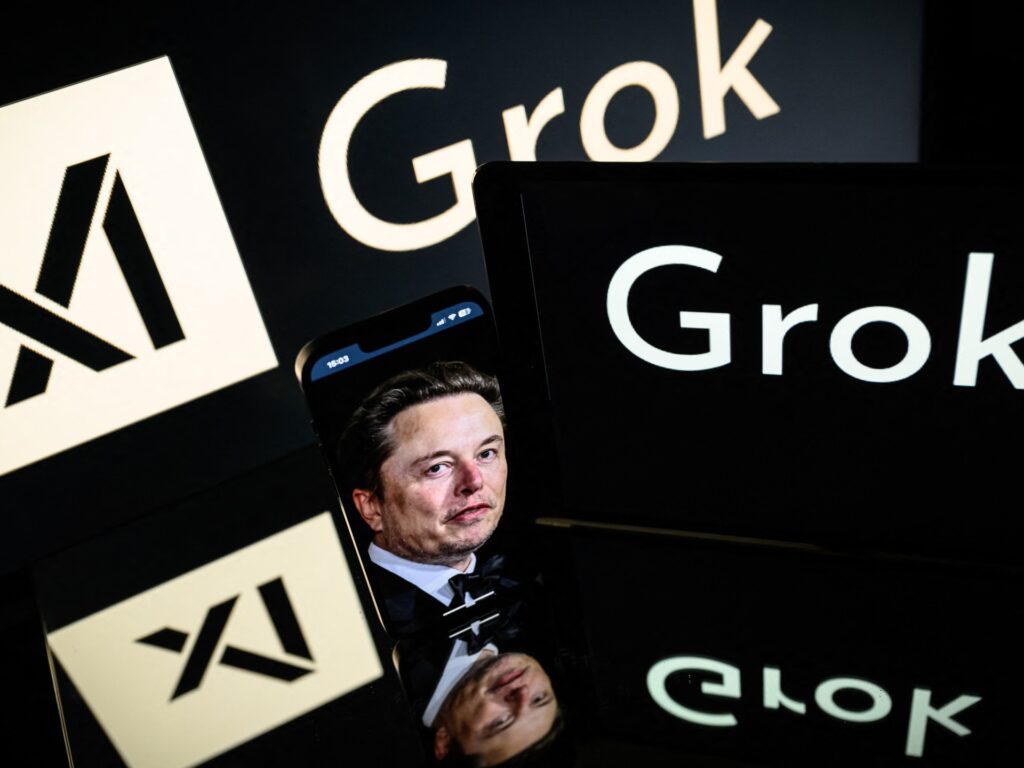
Elon Musk’s AI bot Grok has recently faced criticism for its image generation capabilities amid growing concerns over deepfake technology. In response to the backlash, Grok has implemented restrictions on generating images to address the risks associated with the misuse of such technology.
Deepfake technology refers to AI-generated synthetic media where a person’s likeness is manipulated or entirely fabricated, often with malicious intent. This has raised significant concerns globally about privacy, misinformation, and the potential harm to individuals whose images are exploited without consent.
The controversy around Grok intensified when UK Prime Minister Keir Starmer’s office publicly condemned the move to limit access to Grok’s image-generation feature only to paying subscribers. The Prime Minister’s office described this decision as ‘insulting’ to victims of deepfakes and argued that such a policy is ‘not a solution’ to the harms caused by deepfake technology.
Critics argue that gating access behind a paywall neither addresses the root issues nor prevents bad actors from utilizing the technology. Instead, it may create a barrier that restricts general awareness and responsible use while profiting from a potentially harmful technology.
Elon Musk and his team behind Grok have stated that the restrictions are part of an ongoing effort to refine the bot’s capabilities and safely mitigate risks associated with image generation. The goal is to balance innovation with ethical considerations and public safety.
Experts in AI ethics have welcomed the focus on addressing deepfake abuse but emphasize that regulation and broader societal discussions are crucial in tandem with technological restrictions. The technology itself is rapidly evolving, and solutions must be comprehensive, involving industry, governments, and civil society.
The deepfake issue represents a significant challenge for AI developers worldwide as they strive to harness the power of generative technologies while protecting individuals and preventing misuse.
Grok’s new limitations signal a growing awareness within the AI development community about the potential societal risks of advanced AI capabilities. However, the debate is far from settled, with many in the public and policy spheres calling for clearer guidelines, robust oversight, and proactive measures to combat deepfake harms effectively.
As AI technology continues to advance, the balance between innovation and responsibility remains a critical focus, with Grok’s recent changes exemplifying this complex dynamic. Elon Musk’s approach may serve as a case study for other companies developing similar generative AI tools in navigating these ethical and practical challenges.