The Eastern Mediterranean is increasingly becoming a focal point of geopolitical tensions, with Israel positioning itself against Turkiye amidst a backdrop of rising regional complexities. In recent months, Turkiye has been closely monitoring Israel’s strategic maneuvers within the Eastern Mediterranean, signaling growing unease over the shifting security and diplomatic landscape.
Historically, the Eastern Mediterranean has been a region of intense strategic interest due to its vast energy resources, critical maritime routes, and the proximity of multiple nations with intersecting interests. Israel’s recent actions in the region reflect its aim to assert control and secure its national interests, particularly in maritime zones rich in natural gas reserves.
Turkiye, on the other hand, views these moves with suspicion and concern. Ankara perceives Israel’s increasing presence and partnerships with other regional actors as a threat to its own influence and ambitions in the Eastern Mediterranean. This has exacerbated an already complex rivalry, which includes disputes over maritime boundaries, energy exploration rights, and military posturing.
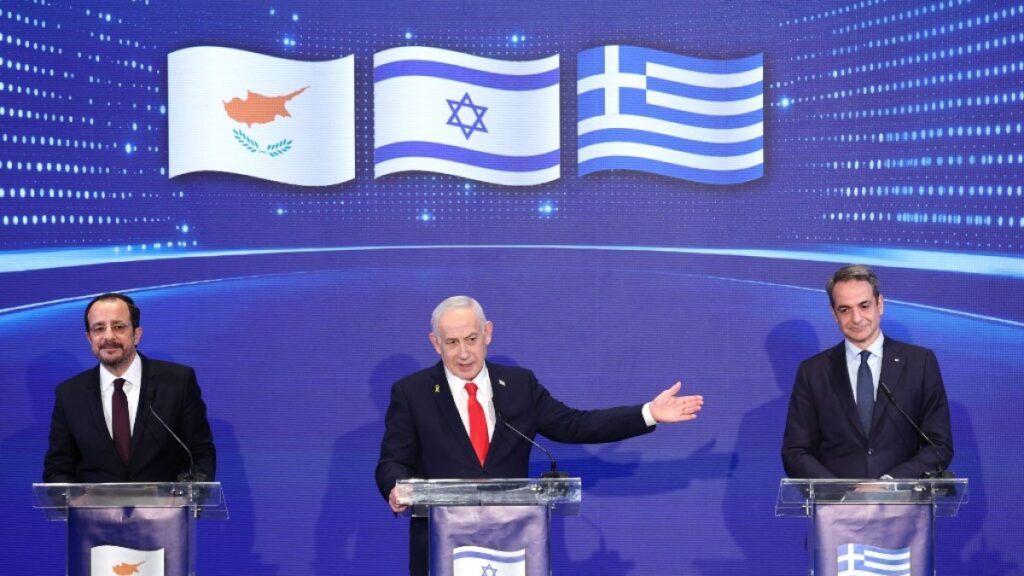
The Israeli government’s regional maneuvers include expanding security cooperation with other Eastern Mediterranean countries such as Greece, Cyprus, and Egypt, forming a bloc aimed at counterbalancing Turkiye’s influence. These alliances are bolstered by shared concerns over energy security and regional stability.
From Turkiye’s perspective, its naval activities and diplomatic engagements in the Eastern Mediterranean are efforts to counterbalance what it sees as encroachments on its sovereign rights. Ankara has repeatedly criticized Israel’s policies and has increased its naval presence in contested waters, leading to heightened tensions and occasional confrontations at sea.
The strategic rivalry extends beyond bilateral issues and reflects broader geopolitical affiliations. Israel’s deepening ties with Western allies, alongside Turkiye’s positioning as a key NATO member but with increasingly independent foreign policies, have added complexity to the regional calculus.
Analysts warn that without careful diplomacy and confidence-building measures, the Eastern Mediterranean risks escalating into a more significant security flashpoint. The potential for clashes between Israeli and Turkish forces, either directly or through proxy engagements, could destabilize the broader region.
In conclusion, the Eastern Mediterranean is indeed evolving into a new frontline where Israel and Turkiye are vying for influence and control. This shift underscores the delicate balance of power in the region and the critical importance of managing these tensions to prevent further escalation. Observers will be watching closely as both nations navigate this challenging and volatile landscape.