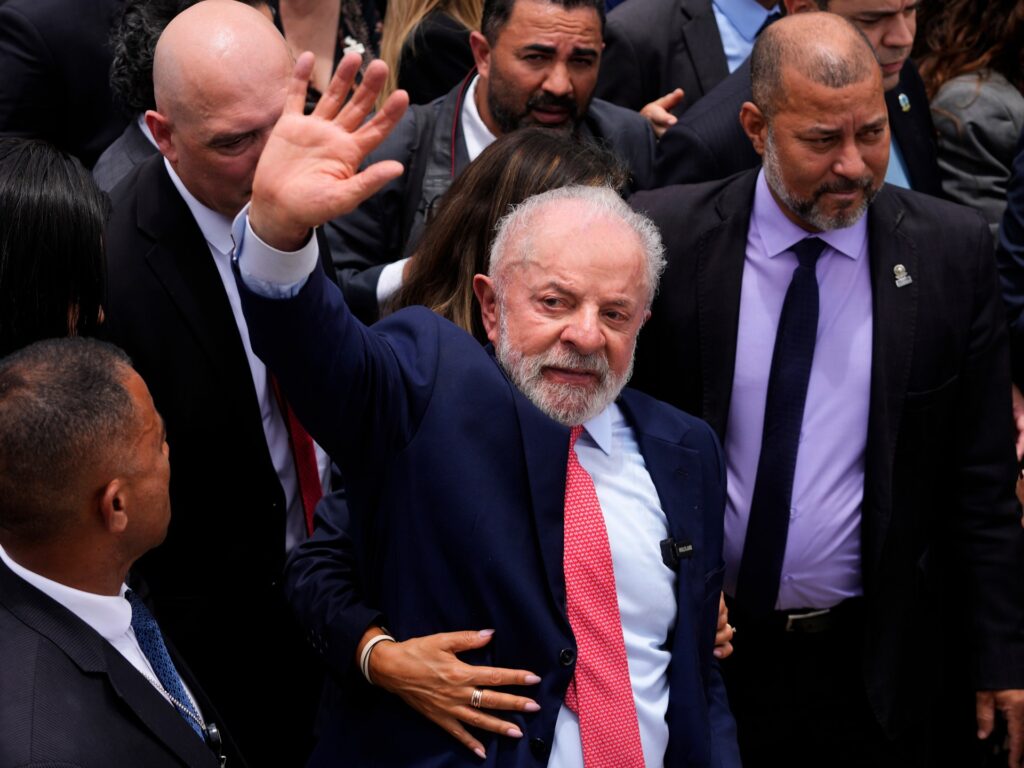
In a significant political move, Brazil’s President Luiz Inácio Lula da Silva has vetoed a bill passed by the opposition-controlled Congress that aimed to reduce the prison sentence of former President Jair Bolsonaro. Bolsonaro is currently serving a 27-year sentence, and the legislation, passed in December, sought to decrease this duration.
The veto underscores the ongoing political tensions in Brazil between Lula’s administration and opposition forces still loyal to Bolsonaro. The bill’s passage in Congress was seen by many as an attempt by Bolsonaro’s supporters to soften his legal consequences amid a broader struggle for influence in the Brazilian political landscape.
President Lula’s decision to reject the bill demonstrates his commitment to upholding judicial rulings and resisting efforts to politicize sentencing. It also reflects his administration’s stance on combating corruption and ensuring accountability among former officials.
The bill initially garnered substantial support within Congress, where opposition members control the legislative agenda. However, Lula’s veto highlights the system of checks and balances at play and reaffirms the presidency’s critical role in lawmaking and policy enforcement.
Critics of the bill argued that reducing Bolsonaro’s sentence could undermine the rule of law and send a message of impunity. Supporters claimed the original sentence was excessively harsh for political motivations.
The veto has set the stage for further political debates in Brazil, as lawmakers may seek to override it or introduce new legislation. It also intensifies the scrutiny on Bolsonaro’s legal battles and the broader implications for Brazil’s democracy.
The confrontation between Lula and Bolsonaro’s supporters is emblematic of the country’s deep political divisions. Lula, who returned to the presidency earlier this year, has prioritized restoring political stability and addressing the challenges left by his predecessor.
Observers note that the veto could bolster Lula’s position domestically, appealing to voters who favor justice and transparency. Conversely, it may energize Bolsonaro’s base, potentially leading to heightened political activism and unrest.
As Brazil navigates this complex political environment, the balance of power between the executive branch and the legislature remains crucial. President Lula’s vetoing of the bill is a decisive moment in Brazil’s efforts to reconcile political discord and uphold democratic principles.