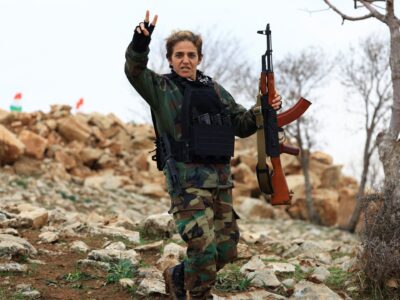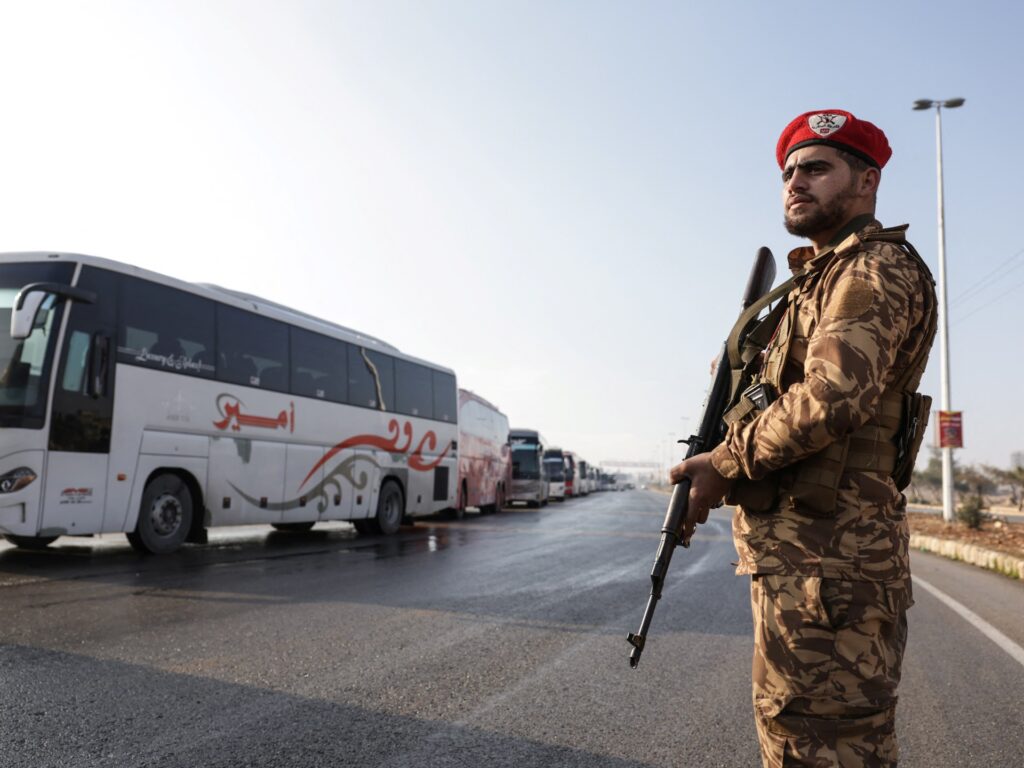
The recent clashes in Aleppo have once again brought to light the complexities and challenges surrounding the integration of the Syrian Democratic Forces (SDF) into Syria’s broader political and military landscape. Analysts assert that while a temporary ceasefire may alleviate immediate tensions, it does not resolve the deeper, underlying issues fueling the conflict.
Aleppo, Syria’s largest city and a key battleground during the civil war, has witnessed a surge in violent confrontations between various factions, including the SDF, government forces, and rebel groups. The SDF, primarily composed of Kurdish, Arab, and minority militias, has been instrumental in fighting extremist groups but faces significant obstacles in being recognized and incorporated within the official Syrian state framework.
One of the core challenges is the SDF’s ambiguous political status. Although they have gained considerable autonomy in areas they control, their relationship with the Syrian government remains strained. The government views them with suspicion and hesitance, partly due to their alliances with international forces such as the U.S. military and their push for local self-administration.
Furthermore, the recent clashes demonstrate the fragile nature of ceasefires brokered in the region. Temporary halts in fighting provide momentary relief and the opportunity for humanitarian aid to reach civilians, but they often fail to address broader issues such as territorial control, political representation, and the future governance model of Syria.
Analysts highlight that a sustainable peace solution requires inclusive dialogue involving all key actors. This means that not only the SDF and Syrian government but also other rebel groups, minority communities, and international stakeholders must engage in negotiating a political settlement that respects Syria’s territorial integrity and accommodates diverse groups’ aspirations.
The situation in Aleppo underscores the urgent need for comprehensive reconciliation efforts. The complexity of Syria’s multi-layered conflict—ethnic, political, and international—cannot be understated. Without addressing the root causes and finding a way to integrate forces like the SDF into a unified framework, the cycle of violence is likely to persist.
In conclusion, while the recent Aleppo clashes have drawn attention to the immediate security challenges posed by the contested presence of the SDF, the broader challenge lies in achieving a durable integration strategy. Only through concerted diplomatic efforts, mutual recognition, and political compromises can Syria hope to emerge from its ongoing turmoil and embark on a path toward lasting peace and stability.