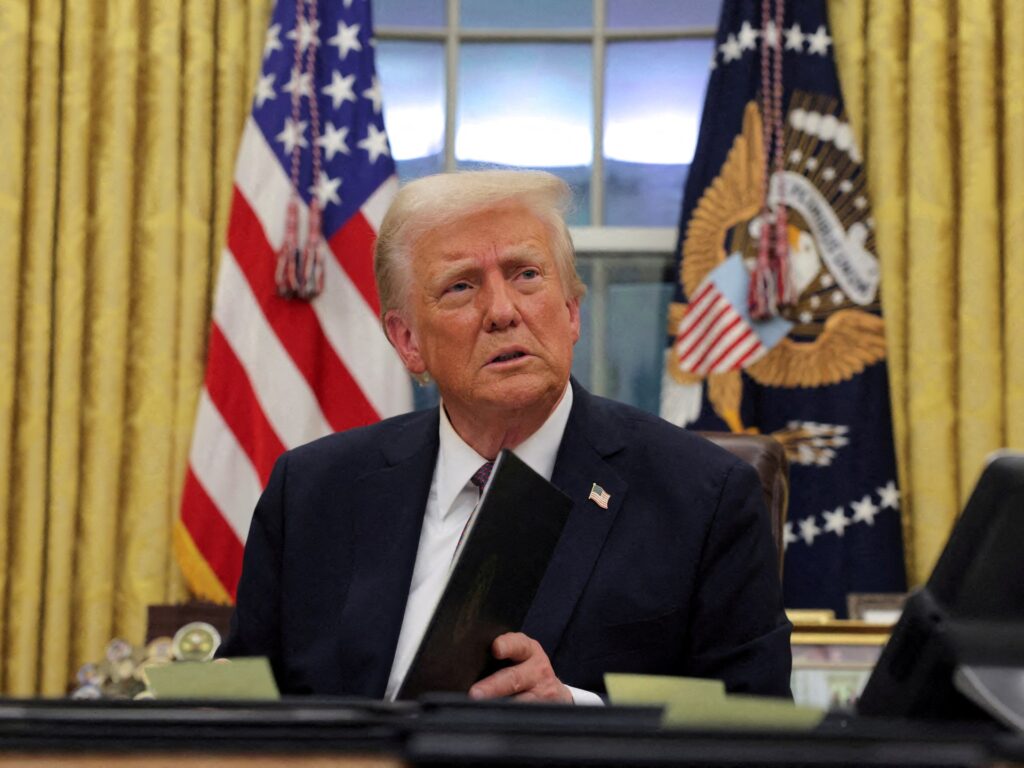
The administration of former President Donald Trump took a significant step in reshaping America’s role on the global stage by announcing the withdrawal from 66 international organizations. These actions marked a strategic pivot that affected key areas such as climate change, peace, democracy, and global health.
Among the most notable withdrawals were from the Paris Agreement, a landmark global accord aimed at combating climate change by limiting greenhouse gas emissions. This move symbolized a broad shift away from multilateral climate commitments and drew criticism from environmental groups worldwide.
The US also exited the United Nations Human Rights Council, a forum dedicated to addressing human rights violations globally. This decision underscored a departure from engagement in international dialogues focused on human rights advocacy.
In addition to these, the US left the World Health Organization (WHO) during the Trump administration. The withdrawal was justified by claims of mismanagement and lack of transparency during the initial stages of the COVID-19 pandemic, though it was widely criticized by global health experts.
Other significant organizations the US pulled out from include:
– United Nations Educational, Scientific and Cultural Organization (UNESCO), influencing global educational and cultural cooperation.
– United Nations Framework Convention on Climate Change (UNFCCC), which negotiates international climate policy.
– The Intermediate-Range Nuclear Forces Treaty (INF Treaty), a critical arms control agreement with Russia.
– The Global Compact for Migration, aimed at managing international migration.
These withdrawals represented a broader policy trend often described as ‘America First,’ emphasizing sovereignty and bilateral agreements over multilateral commitments.
Experts have raised concerns that these actions could lead to diminished US leadership and influence in addressing global challenges. The pullback affected cooperative efforts on climate mitigation, peacekeeping, public health, and democratic governance protections.
Nonetheless, supporters of the policy argued that these moves allowed the US to prioritize national interests, reduce financial commitments to international bodies, and avoid obligations perceived as unfair or disadvantaging American industries.
In conclusion, the US withdrawal from 66 global organizations under Trump’s administration symbolized a profound shift in American foreign policy. This retraction from key international forums dealing with climate change, peace, and democracy marked a controversial chapter in the nation’s global engagement strategy, with consequences that continue to influence diplomatic and policy dialogues worldwide.