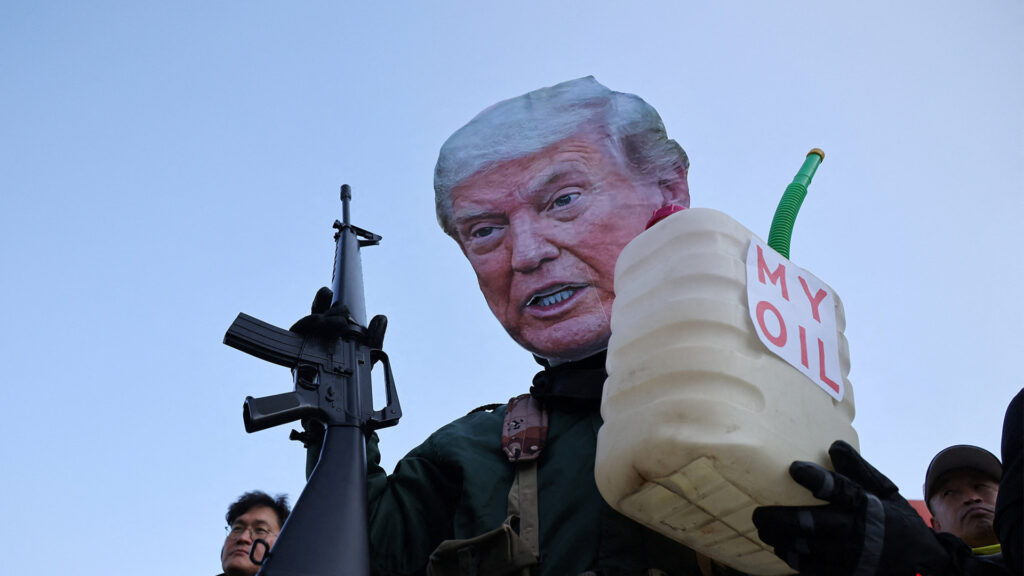
The United States has announced plans to control Venezuelan oil resources indefinitely, a move that has intensified existing political tensions between the two nations. This decision follows ongoing disputes over Venezuela’s leadership and control of its natural resources. Venezuela’s interim leader strongly opposed the US plan, describing it as a violation of the country’s sovereignty and a direct attack on its economic independence. The US maintains that their involvement is necessary to ensure the stability of global oil markets and to support democratic governance in Venezuela. However, critics argue that indefinitely controlling a nation’s natural resources raises serious ethical and legal questions under international law.
Venezuela, rich in oil reserves, has long been a focal point of geopolitical interest, with its oil wealth being a critical aspect of its economy. The country’s recent political crisis has led to competing claims of leadership and governance. The interim Venezuelan leader has vowed to challenge the US control both diplomatically and legally, calling for support from the international community to restore Venezuela’s sovereignty over its resources.
Experts suggest that this situation could lead to increased diplomatic strain and possible economic repercussions. The indefinite US control over Venezuelan oil could disrupt existing oil market dynamics and impact global oil prices. Additionally, it raises questions about the precedent it sets for international relations and the governance of natural resources in sovereign nations.
The international community remains divided on the issue, with some countries supporting US actions as a means to promote democracy and others condemning it as neocolonial interference. The coming months will be critical as Venezuela navigates its political future and the global community reacts to this unprecedented move by the United States.