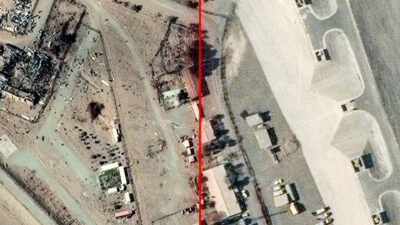
Venezuela, a country endowed with one of the largest proven oil reserves in the world, holds a potentially transformative position in the global energy market. The potential reopening and revitalization of Venezuela’s oil sector could significantly influence the world’s oil supply, but the journey to this point is fraught with challenges and uncertainties. Currently, Venezuela’s oil production has been sharply diminished due to years of economic mismanagement, international sanctions, and political instability. These factors have severely impacted its ability to attract foreign investment and modernize its oil extraction infrastructure. However, recent signals suggest that the country could eventually revive its oil industry and re-enter the world oil markets as a significant player. The Venezuelan government, alongside potential international investors, is looking at possibilities to rehabilitate its oil fields and increase production capacity. Given the vast heavy crude reserves in the Orinoco Belt, the economic potential is considerable. If successful, the country could not only boost its domestic economy but also meet a larger share of global demand, especially as other countries seek to diversify their oil sources. Nonetheless, many experts express concern over the risks of oversupply in the global oil market. The return of Venezuelan oil, combined with increasing production from other major oil-producing countries and emerging suppliers, could exacerbate supply gluts. This oversupply scenario might drive down oil prices, complicating efforts to stabilize the global energy economy. The implications are profound: while increased supply might benefit consumers with lower prices, oil-dependent economies could suffer from decreased revenues, potentially leading to economic instability in producer countries. Furthermore, environmental and geopolitical considerations add layers of complexity to Venezuela’s oil future. The international community remains wary of the country’s political dynamics and governance issues, which could deter long-term investment and sustainable development in the energy sector. Additionally, global trends toward renewable energy and carbon reduction commitments pose significant challenges to any expansion of fossil fuel extraction and consumption. In conclusion, Venezuela stands at a crossroads where the revitalization of its oil industry could reshape global supply dynamics. The outcome depends on a delicate balance of political reforms, international cooperation, market demand, and environmental stewardship. As the world watches closely, Venezuela’s oil could either reassert the country’s influence in the energy sector or deepen the challenges of an already complex global oil market.