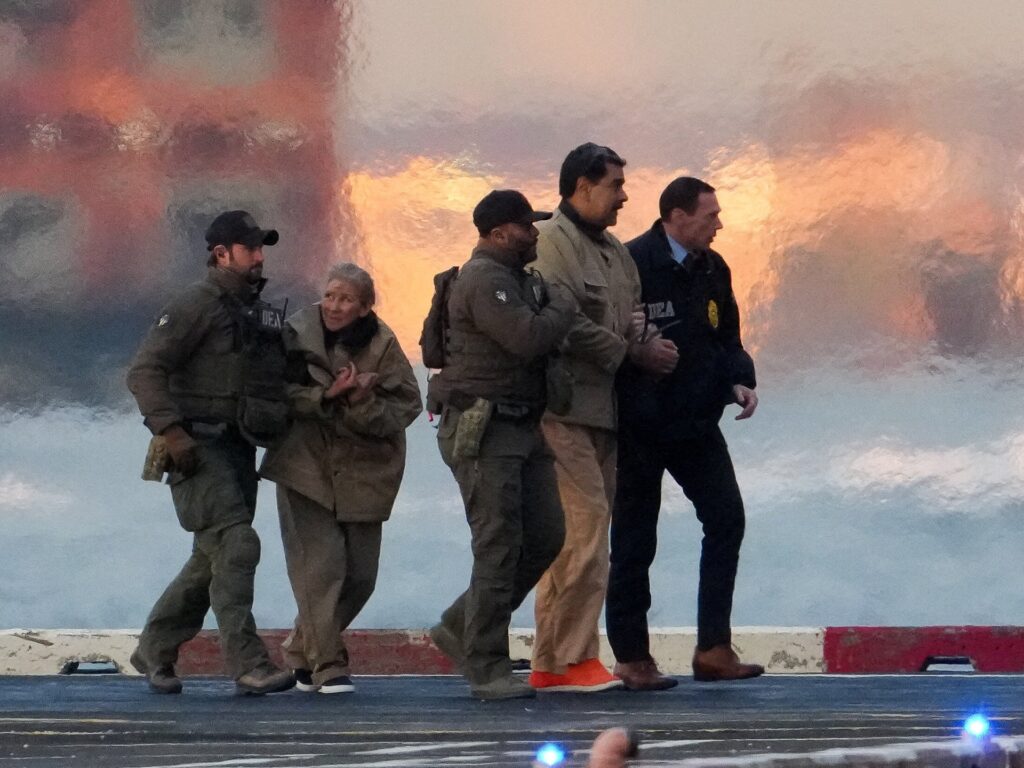
In a dramatic and unprecedented event, Venezuela’s leader Nicolas Maduro and his wife were brought to a New York City court appearing handcuffed and under heavy guard. This event comes just two days after their reported abduction from Caracas by US special forces. The abduction and subsequent court appearance of a sitting foreign leader marks a significant escalation in international affairs.
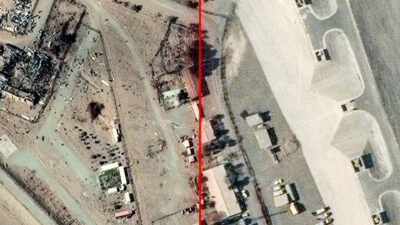
According to reports, US special forces conducted a covert operation in Caracas, Venezuela, which led to the detainment of Maduro and his wife. The operation’s details remain classified, but sources confirm that the duo was quickly transported to the United States for legal proceedings.
Upon arrival in New York, Maduro and his wife were immediately presented before a federal court. Both appeared subdued, handcuffed, and surrounded by law enforcement officials. The charges brought against them have not been officially disclosed, sparking widespread speculation and intense media coverage.
The international community has reacted with a mix of shock and condemnation. Several countries and international organizations have called for a thorough investigation into the legality of the abduction and have expressed concerns over violations of sovereignty and international law.
The US government has so far remained tight-lipped about the motives and legal justification for the abduction, citing national security reasons and ongoing investigations. However, some officials have hinted at allegations of corruption and illicit activities tied to Maduro’s regime as potential factors.
Inside Venezuela, the situation remains tense. Supporters of Maduro have protested fiercely, demanding his immediate release and condemning the US actions as an act of aggression and imperialism. Meanwhile, opposition groups in Venezuela remain cautious, awaiting further developments.
Legal experts are closely scrutinizing the case, debating the implications of abducting a sitting head of state and trying them in a foreign court. The case raises complex questions about diplomatic immunity, international law, and the precedents it could set for future foreign relations.
Human rights organizations have also weighed in, emphasizing the importance of ensuring that any legal proceedings adhere to fair trial standards. They caution against political motivations overrunning judicial processes.
As this situation unfolds, the world watches closely, aware that the outcome of this extraordinary legal case could reshape international diplomacy and the principles governing interactions between sovereign nations.
This historic event underscores the increasingly complex and volatile nature of global politics, where traditional boundaries and norms are being challenged in unprecedented ways. The coming weeks promise further developments and intensive diplomatic negotiations aimed at resolving this crisis.