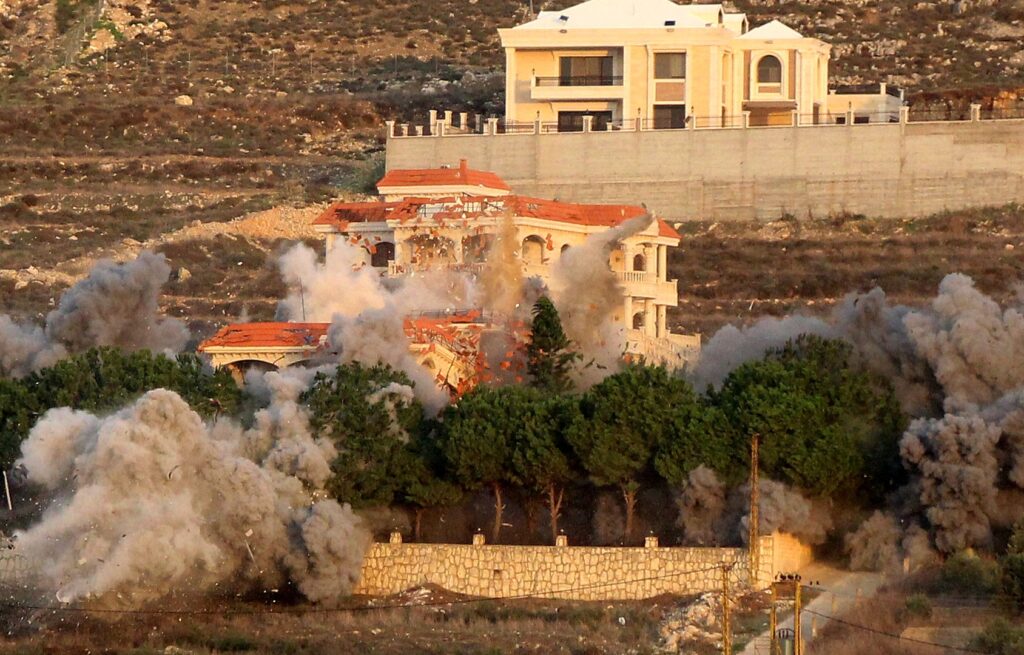
In a recent escalation of conflict, Israel launched airstrikes on Lebanon, targeting what it identified as positions of Hezbollah and Hamas militants. This military action has heightened tensions in the region, drawing widespread concern from international communities.
The Israeli Defense Forces (IDF) confirmed that the strikes were precise, aiming specifically at militant infrastructure and operatives connected to Hezbollah and Hamas, groups considered hostile by Israel. The operation comes after increased cross-border hostilities and threats perceived by Israel, prompting preemptive measures.
As a precautionary measure, the Israeli military issued warnings to civilians in targeted areas, leading to the evacuation of dozens of families. Among these was a village near the border zone, which experienced a significant exodus as residents heeded the alerts to seek safety.
Drone reconnaissance played a key role in the recent operations, with increased aerial activity reported in the region. The use of drones not only allowed the IDF to monitor movement and gather intelligence but also to conduct precise strikes while minimizing civilian casualties.
The timing of the strikes is notable, occurring during a period of heightened political tension and instability in the Middle East. Hezbollah, a Lebanese Shia Islamist political party and militant group, along with Hamas, which controls the Gaza Strip, have been central figures in the region’s decades-long conflicts with Israel.
The international community has expressed concern over the potential for a broader conflict, urging restraint on all sides. Neighboring countries and global powers have called for dialogue and peaceful resolution to prevent further escalation.
Lebanese officials have condemned the Israeli airstrikes, asserting that they violate Lebanese sovereignty and risk destabilizing the already fragile security situation. The government has called for emergency meetings to address the repercussions and is seeking support from allied nations.
Meanwhile, humanitarian organizations are preparing to assist displaced families, providing shelter, food, and medical care. The displacement of families underscores the human cost of the conflict and the urgent need for measures to protect civilians.
Analysts suggest that this latest round of strikes may lead to retaliatory actions by Hezbollah or Hamas, potentially triggering a cycle of violence that could engulf the region once again. The situation remains fluid, with diplomatic efforts underway to de-escalate tensions.
Residents near the border live under constant threat, and the recent drone activities and evacuations have further heightened fears of an extended conflict. The international community watches closely, hoping for a swift resolution.
This incident is part of a larger series of confrontations that have shaped Middle Eastern geopolitics in recent years. The delicate balance of power and longstanding hostilities make the area vulnerable to outbreaks of violence.
In summary, Israel’s recent bombings in Lebanon targeting Hezbollah and Hamas represent a significant development in ongoing regional tensions. With civilian displacement and international concern mounting, the need for diplomatic engagement and conflict resolution is more critical than ever.