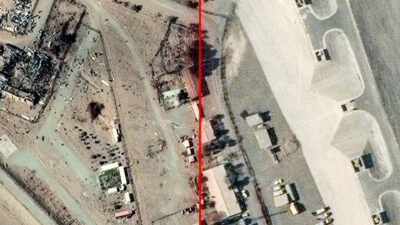
The recent capture of Nicolás Maduro in Venezuela has ignited a passionate debate within Chinese society about the nature of political power and its implications for China’s own geopolitical ambitions. The event, which has sent ripples through international political circles, struck a chord among Chinese citizens, revealing a society sharply divided in its views.
On one side of the debate, some Chinese observers perceived Maduro’s capture as a demonstration of bold political strategy—an example of decisive action that could serve as a template for China in the pursuit of reclaiming Taiwan. These voices argued that the Venezuelan scenario illustrated the effectiveness of direct and forceful measures to resolve territorial and sovereignty disputes.
Supporters of this perspective suggested that the situation highlighted the necessity of strategic assertiveness and political firmness when confronting separatist movements or regions considered integral parts of the nation. This group underscored that Taiwan’s status is a core issue for China, and they saw the Venezuelan example as a precedent that China might emulate to reinforce its sovereignty.
Conversely, another faction in the Chinese online community expressed caution. They warned against adopting a rigid ideological stance, cautioning that such rigidity could lead to unforeseen consequences both domestically and internationally. This group emphasized the importance of nuanced diplomacy and the risks involved in aggressive political maneuvers, especially given the complex international ramifications.
These reflections mirror broader concerns within China about the balance between ideological purity and pragmatic governance, especially as the country navigates its role on the global stage. Critics of rigid ideology emphasized the danger of escalating tensions and the potential backlash from global powers in response to any attempt to seize Taiwan by force.
The discussions also revealed the deep worry among some Chinese citizens about political stability and social cohesion within their own country. There is an underlying fear that aggressive foreign policy moves might embolden separatist sentiments internally or provoke international isolation.
Overall, Maduro’s capture in Venezuela acts as a catalyst for a critical internal discourse in China, shedding light on contrasting viewpoints regarding sovereignty, power, and the use of force. It underscores the complexities a nation faces when balancing national pride, international law, and the quest for peaceful resolution.
As China continues to evolve as a global power, the debate sparked by this incident serves as a microcosm of the broader challenges and dilemmas confronting the country’s domestic and foreign policy. Whether the country ultimately embraces the Venezuelan example as a blueprint or heeds the warnings against ideological inflexibility remains to be seen.
This episode highlights not just the interconnected nature of global politics but also the profound impact international events have in shaping domestic narratives and policy considerations within powerful nations like China. The Venezuelan case resonates as a powerful symbol in discussions about national identity, political authority, and the future trajectory of Chinese governance.