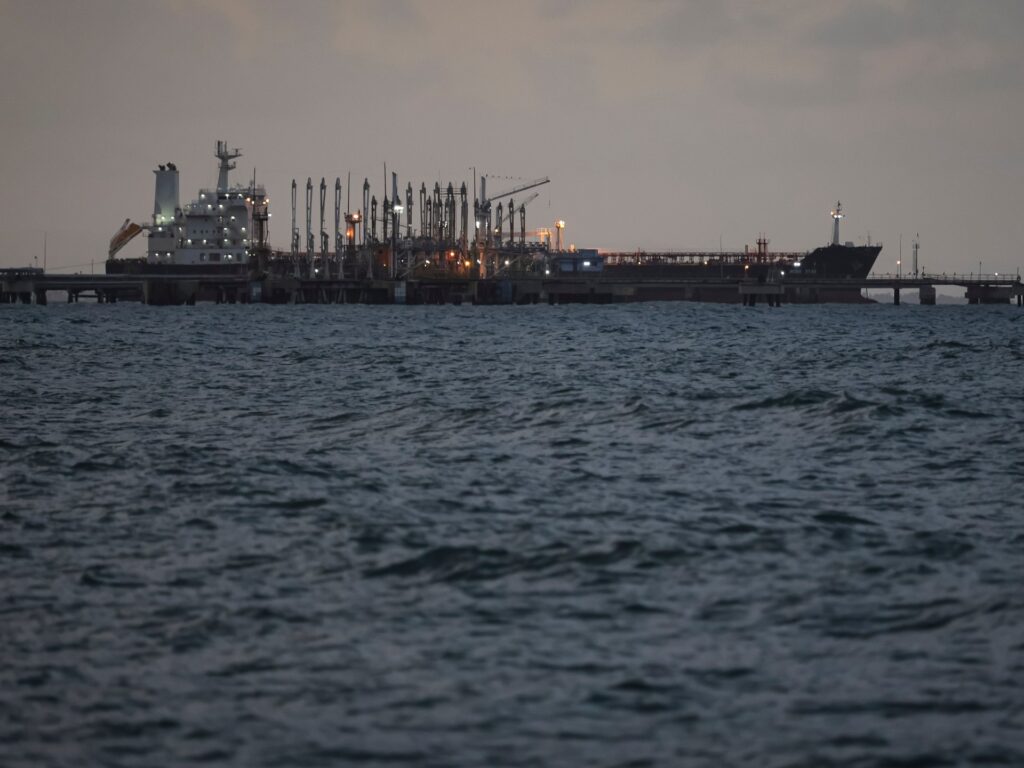
In recent developments, former U.S. President Donald Trump has shifted his focus towards Venezuela’s oil reserves rather than alleged drug trafficking issues, which had previously dominated discussions. Trump now advocates for American companies to take over the operations of Venezuelan oil fields, aiming to extract and sell the valuable resources to benefit the United States economically.
Venezuela, known for possessing some of the largest proven oil reserves in the world, has been struggling with political instability and economic sanctions that have severely impacted its energy sector. The country’s oil industry, once a major source of national income, has faced challenges due to declining production capacity and mismanagement.
Trump’s new stance signals a strategic pivot, reflecting his administration’s prioritization of energy independence and economic gains over addressing drug trafficking concerns, which have long been associated with Venezuela’s deteriorating governance.
The former president’s proposal implies inviting American oil firms to invest and operate within Venezuela, potentially revitalizing the exploration and production activities locked in by years of conflict and sanctions. Such a move could lead to increased oil output, stabilizing global markets and providing a fresh energy supply for the U.S.
Critics, however, warn that this approach ignores the complex socio-political realities and could escalate tensions both domestically within Venezuela and on the international stage. There are fears that exploitation of Venezuelan oil without addressing human rights and governance issues might deepen instability.
Supporters argue that economic engagement and lifting restrictions for U.S. companies might pressure the Venezuelan government into reform and offer economic relief through increased investment and job creation in the oil sector.
This development highlights a broader shift in U.S. foreign policy tactics towards Venezuela, moving from isolating the country due to alleged drug trafficking to harnessing its natural resources to meet American energy demands.
As the global energy market remains volatile, the role of Venezuelan oil continues to be in the spotlight. Trump’s emphasis on resource extraction points to a growing trend toward leveraging international assets for national economic advantage.
The impact of this policy adjustment will depend on negotiations with Venezuelan authorities, the response of the international community, and the capacity of American companies to operate effectively in complex environments.
If realized, the takeover of Venezuelan oil fields by U.S. corporations could mark a significant turning point in bilateral relations and reshape energy geopolitics in the region.
Observers remain cautious, noting that while the economic prospects are promising, comprehensive strategies addressing governance, sustainability, and ethical concerns are essential for lasting progress.
In conclusion, Donald Trump’s recent focus intention on Venezuelan oil rather than previously cited drug trafficking underscores a pragmatic move toward energy security. This move has the potential to alter diplomatic dynamics and could energize the U.S. oil industry, though it comes with notable risks and challenges in Venezuela’s complex political and social landscape.