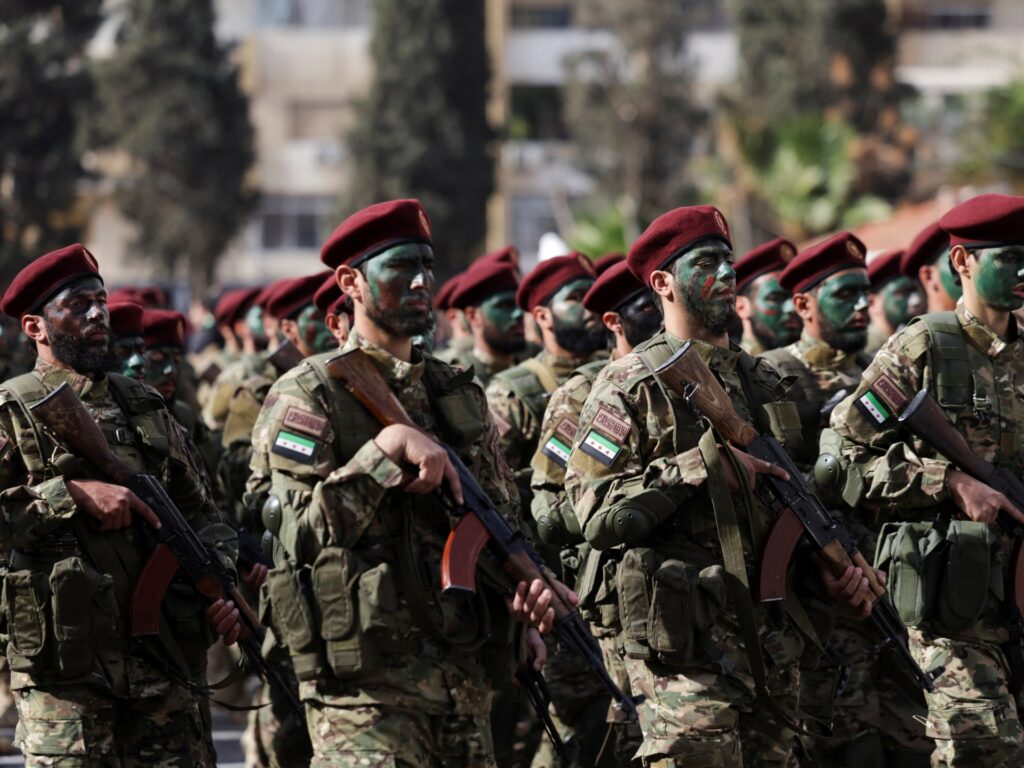
Damascus and the Kurdish-led Syrian Democratic Forces (SDF) are facing significant hurdles in advancing the implementation of a landmark deal aimed at integrating the SDF into state institutions. Signed in March, the agreement was initially hailed as a potential breakthrough, offering a pathway to end years of conflict and establish a unified national military structure in war-torn Syria.
The proposed military merger sought to bring the vast and well-organized SDF, which largely controls northern and eastern Syria, under the umbrella of the Syrian government. This move was seen by many as a pragmatic step towards resolving the complex geopolitical landscape of the region, especially in the wake of shifting international dynamics and the continued presence of various armed groups.
However, progress on the ground has reportedly come to a standstill. Sources close to both parties indicate that fundamental disagreements over crucial aspects of the integration process have prevented any meaningful advancement. Key sticking points include the command structure of the unified forces, the precise roles and responsibilities of SDF fighters within state institutions, and the delicate issue of territorial control.
The SDF, primarily composed of the People’s Protection Units (YPG), has been a crucial U.S. ally in the fight against ISIS. Their desire for a deal with Damascus stems from a complex mix of seeking long-term security, particularly against threats from Turkey, and securing a recognized political status within Syria’s future. Integrating into state structures could, in theory, offer this protection and legitimacy.
Conversely, the Syrian government views the integration as a reassertion of its sovereignty over all Syrian territory. For Damascus, it represents an opportunity to consolidate power and dismantle what it perceives as autonomous or separatist entities within its borders. However, the government’s historical reluctance to cede significant autonomy or power to Kurdish-led groups complicates negotiations.
Analysts suggest that deep-seated mistrust, cultivated over a decade of civil war and fragmented control, plays a significant role in the current impasse. Both sides harbor suspicions about the other’s true intentions, leading to a cautious and often stalled negotiation process where neither is willing to make substantial concessions without clear guarantees.
The failure to progress on this military merger carries significant implications for regional stability. It leaves the status of northeastern Syria in a state of continued uncertainty, potentially creating a vacuum that other regional and international actors might seek to exploit. Renewed tensions between various factions, including Turkish-backed groups, remain a persistent risk.
Furthermore, the stalling of the deal underscores the broader challenges in achieving a comprehensive political resolution to the Syrian conflict. Without a clear path forward for the integration of key military forces, the prospects for national reconciliation and stability appear increasingly dim.
For now, the ambitious agreement signed in March remains largely on paper, a testament to the intricate and often intractable nature of post-conflict reconstruction in Syria. The path to a unified Syrian military, and indeed a unified Syria, appears longer and more arduous than initially hoped.