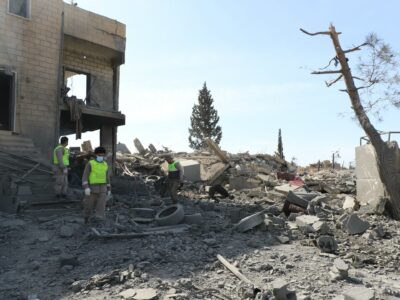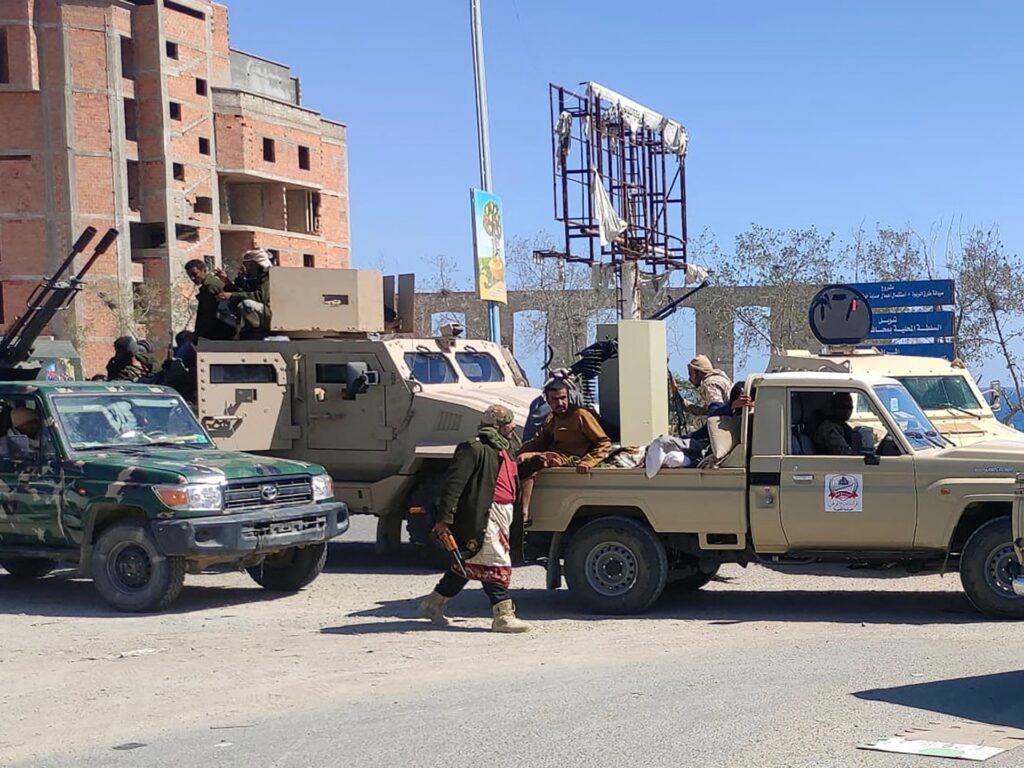
In a pivotal development for the protracted conflict gripping Yemen, government forces, robustly supported by the Saudi-led coalition, have successfully announced the recapture of multiple strategic cities across southern Yemen. This decisive military operation marks a substantial victory for the internationally recognized government, not only bolstering its territorial control but also significantly expanding its operational reach in a region long plagued by deep-seated instability and relentless conflict.
The meticulously planned offensive, spearheaded by the elite and highly effective Homeland Shield forces, has garnered widespread commendation for its remarkable precision and operational effectiveness. Initial reports filtering from the ground indicate that the well-coordinated military campaign managed to systematically dislodge opposing armed factions from several crucial urban centers. This success has allowed for the restoration of a vital degree of governmental authority and has injected a palpable sense of cautious optimism among the local populations in the newly liberated areas.
Rashad al-Alimi, the esteemed head of Yemen’s Presidential Leadership Council, wasted no time in issuing a powerful and assertive statement acknowledging these truly remarkable achievements. He emphatically declared that the dedicated Homeland Shield forces had attained ‘record success,’ a declaration that powerfully underscores the immense magnitude of their recent accomplishments and highlights the critical strategic importance of these gains for the future trajectory and stability of Yemen as a whole.
These recently retaken cities are far more than mere symbolic victories in a long-standing war; they represent absolutely critical logistical hubs and dense population centers that are unequivocally vital for asserting comprehensive control over the restive southern provinces. The demonstrated capability of the government forces to execute such an extensive, complex, and overwhelmingly successful operation strongly points towards significantly improved coordination, enhanced training, and advanced capabilities, likely a direct and positive outcome of the sustained support and comprehensive training provided by their key Saudi allies.
The enduring conflict in Yemen, now tragically entering its ninth year, has been grimly characterized by constantly shifting frontlines, deeply fragmented allegiances, and an intractable humanitarian crisis. The Saudi-backed government has been embroiled in a protracted and often brutal struggle against various armed groups, most notably the well-entrenched Houthi movement, which maintains control over substantial portions of the country’s north. This latest comprehensive offensive in the south thus signifies a concerted and strategic effort by the government to consolidate its fragile power and to establish greater, more enduring stability in the vast areas currently under its nominal control.
For the long-suffering residents of these embattled southern cities, the recent change in control brings a complex mix of both profound relief and understandable apprehension. While the increased presence of government forces might genuinely promise a much-needed return to a basic semblance of order and security, the deep and enduring scars of years of brutal conflict run agonizingly deep within these communities. The immediate and paramount challenge for the authorities will be to rapidly establish robust and transparent governance structures, effectively provide essential public services, and, crucially, ensure the ongoing safety and fundamental well-being of the often-traumatized civilian population.
The ‘record success,’ as so proudly proclaimed by al-Alimi, holds the potential to significantly alter the intricate dynamics of any future peace negotiations, undoubtedly furnishing the Presidential Leadership Council with a considerably stronger and more authoritative hand at the negotiating table. With demonstrably increased territorial control and a newly showcased military capability, the government may now strategically seek to leverage these hard-won gains to push more forcefully for a more favorable and lasting resolution to the seemingly intractable conflict, one that truly aligns with its strategic objectives.
However, despite these significant advances, the arduous path ahead remains undeniably fraught with numerous and formidable challenges. The catastrophic humanitarian crisis afflicting Yemen continues to be recognized as one of the very worst globally, and any singular military success must be swiftly and decisively followed by concerted, large-scale efforts to immediately address the dire and escalating needs of millions of vulnerable citizens. Furthermore, sustaining these critical gains will demand unwavering vigilance, robust security measures, and the crucial ability to effectively counter any potential resurgence or destabilizing actions from defeated or disgruntled factions within the complex southern landscape.
The broader international community will undoubtedly be closely monitoring these evolving developments with intense interest and concern. The long-term stability of southern Yemen is not only absolutely crucial for the internal cohesion and future prosperity of the country itself but also holds significant implications for broader regional security, particularly given its exceptionally strategic location on the world’s vital shipping lanes. This recent and significant military achievement by the Saudi-backed government forces therefore represents a genuinely pivotal moment in the ongoing, multi-faceted struggle for control and the elusive quest for lasting stability within the war-torn nation of Yemen.
This operation emphatically underscores the unwavering commitment of the Presidential Leadership Council to meticulously restore full national sovereignty and to ultimately secure a durable peace across the entirety of Yemen. The extraordinary dedication and bravery of the Homeland Shield forces, culminating in this widely celebrated ‘record success,’ offers a much-needed glimmer of hope for a nation that has been yearning desperately for a definitive end to the protracted and devastating war, and for the promise of a future finally built upon enduring peace, genuine reconciliation, and widespread prosperity. The often arduous and complex journey towards a truly unified and stable Yemen undeniably continues, but these recent, hard-won victories provide a vital and undeniable impetus for progress.