The ongoing conflict in Gaza has taken a severe toll on the region, with recent developments indicating an extension of Israel’s occupation beyond the so-called ‘yellow line’ in northern Gaza. This significant move has exacerbated tensions and violence, as Israeli forces have intensified their military operations, particularly in the southern parts of Gaza.
Since October 10, there have been continuous daily violations of a truce agreement, resulting in a tragic escalation of casualties. Israeli attacks have claimed the lives of at least 414 Palestinians, with over 1,145 individuals injured. These figures starkly illustrate the human cost of the conflict and highlight the fragile nature of any ceasefire attempts.
The expansion of Israeli occupation beyond the established demarcation line has raised concerns among international observers and human rights organizations. The ‘yellow line’ has traditionally been viewed as a boundary delineating Israeli and Palestinian control, and crossing it signals a shift in the dynamics of the conflict. Experts warn that this could lead to further destabilization in the region.
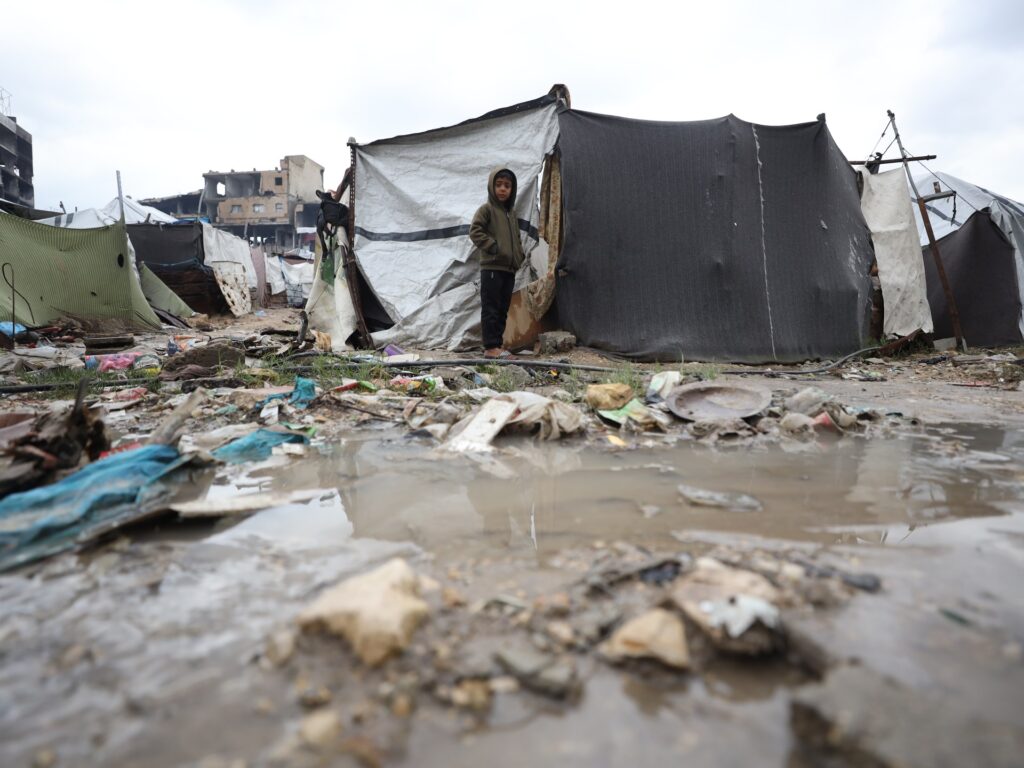
Bombing campaigns in the southern Gaza Strip have increased in intensity, compounding the suffering of civilian populations. Homes, infrastructure, and essential services have been severely damaged or destroyed, leading to worsening humanitarian conditions. Displaced families now face challenges in accessing basic needs such as food, water, and medical care.
The day-to-day violations of the truce reflect a breakdown in forces of restraint and diplomacy, with each side accusing the other of instigating hostilities. Despite calls for peace from various international actors, the on-ground reality in Gaza remains volatile and dangerous.
The broader geopolitical implications of these developments are profound. The extended occupation and persistent airstrikes may attract heightened international scrutiny and pressure on Israel to reconsider its military strategies. Additionally, there is growing concern about the potential for the conflict to spill over into neighboring areas, further complicating regional stability.
Humanitarian agencies are alarmed at the scale of devastation and loss of life, urging all parties to restore and respect ceasefire agreements to prevent further suffering. They emphasize the urgent need for safe corridors to allow for the delivery of aid and medical supplies to affected populations.
The situation in Gaza thus remains a critical flashpoint in Middle Eastern politics, symbolizing the ongoing struggle for control, security, and human rights. The escalation beyond the ‘yellow line’ is a stark reminder of the fragility of peace efforts and the immediate need for renewed dialogue and conflict resolution mechanisms.
As the international community watches closely, the hope remains that constructive negotiations will prevail, leading to a sustainable and just resolution for the people of Gaza and Israel. Until then, the cycle of violence and retaliation threatens to perpetuate an ever-growing humanitarian crisis in the region.