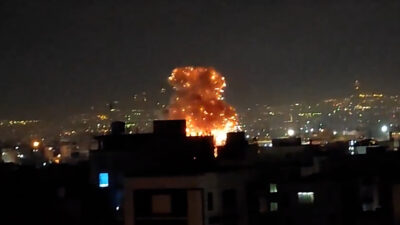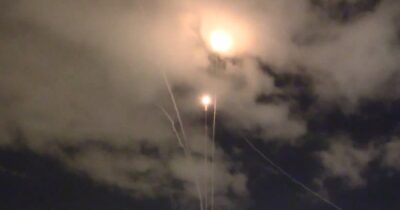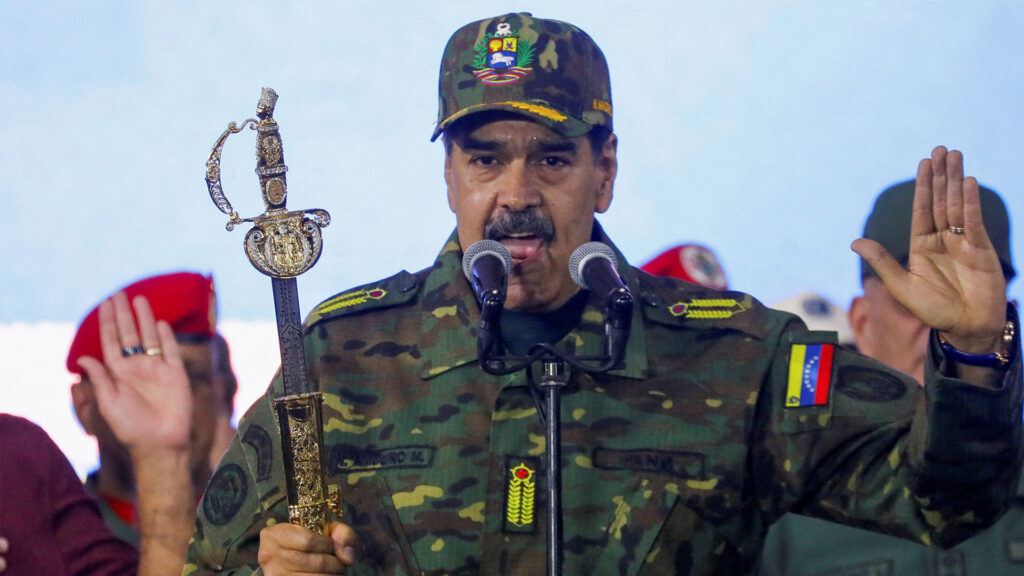
In a dramatic and unprecedented series of events, the United States executed a swift and decisive operation to impose regime change in Venezuela overnight. The operation culminated with the US bombing strategic locations in Venezuela and the abduction of President Nicolas Maduro and his wife. This sudden action marks a significant shift in US foreign policy towards the country and has immediate implications for regional stability.
The overnight regime change unfolded with precision. Intelligence reports suggest that US forces conducted targeted air strikes against key military installations and government centers in Caracas, Venezuela’s capital. The bombing campaign was designed to incapacitate the Venezuelan government’s command and control capabilities, limiting their ability to organize a response.
Shortly after the initial strikes, US operatives carried out a covert extraction mission to abduct President Maduro and his wife. Sources indicate that this was a highly coordinated effort involving special forces and cutting-edge intelligence gathering. The removal of the Venezuelan leadership aims to facilitate the installation of a new government more aligned with US interests.
The motivations behind this rapid regime change are multifaceted. Venezuela has long been under scrutiny due to political instability, economic crisis, and allegations of authoritarian rule by Maduro. The US government cited concerns over democracy, human rights violations, and regional security as justifications for its intervention.
This operation, however, raises critical questions about international law and sovereignty. The act of bombing a sovereign nation and abducting its leaders without the consent of that nation or international coalition is a highly controversial and unprecedented move.
The international community’s reaction has been swift and varied. Some countries have condemned the US actions as a violation of international norms, while others have cautiously welcomed the possibility of democratic restoration in Venezuela. Latin American nations have expressed deep concern over the potential for increased regional instability as a result of the US intervention.
Domestically, the US administration defended the operation as necessary to restore democracy and prevent further humanitarian crises in Venezuela. Officials emphasized that the removal of Maduro opens the door to a transitional government that can rebuild the nation’s institutions and economy.
Critics argue that the operation sets a dangerous precedent for unilateral military intervention and undermines diplomatic efforts to resolve conflicts peacefully. There are fears that this action could escalate tensions with other global powers and lead to broader geopolitical conflicts.
For the Venezuelan people, the overnight upheaval has resulted in a mixture of hope and uncertainty. Many see the potential for political change as an opportunity to address ongoing economic hardships and human rights issues. Others fear retaliation, a power vacuum, or prolonged instability.
As the situation continues to evolve, the world watches closely to see how Venezuela’s new political landscape will take shape and what the long-term consequences of this US-led regime change will be for the region and international relations. The operation is a stark reminder of the complexities and profound impacts of military interventions in sovereign nations.