USA-VENEZUELA/
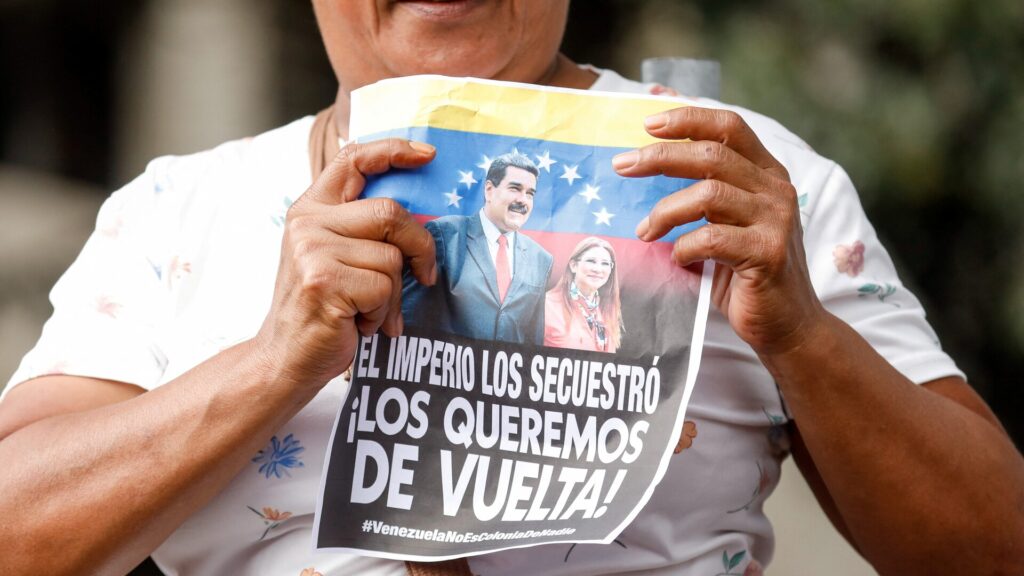
The recent abduction of Venezuela’s President Nicolás Maduro has sent shockwaves through the international community, intensifying worries about the possibility of increased US interventionism in sovereign nations. This unprecedented move by the United States has raised alarm bells not only within Venezuela but also among neighboring countries, global powers, and geopolitical analysts.
Firstly, Latin American countries are most visibly concerned. Nations such as Cuba, Nicaragua, and Bolivia, which maintain close ties with Venezuela and have historically been critical of US policies, fear that this act could signal a new chapter of aggressive US foreign policies targeting leftist governments in the region. These governments worry that Maduro’s abduction could set a precedent for the US to carry out similar covert operations against other leaders who resist American influence.
Furthermore, the unrest triggered by this abduction has prompted anxiety among moderate governments in the Americas, such as Mexico and Argentina, who advocate for diplomatic solutions rather than covert actions. They fear that the legitimacy of sovereignty and non-interference principles is at risk, threatening regional stability and potentially inciting political turmoil.
International powers such as Russia and China have also expressed strong disapproval, viewing the abduction as a violation of international law and a dangerous precedent that could destabilize global diplomacy. Both countries have vested interests in Venezuela, including economic partnerships and strategic alliances, and view the US action as a direct threat to their influence in Latin America.
The global financial markets have responded with uncertainty, as the abduction raises concerns about political stability in one of the world’s largest oil-producing regions. Investors and multinational corporations are worried that this disruption could affect oil supplies and create broader economic volatility.
Moreover, human rights organizations and international watchdogs have voiced concerns regarding the legality and morality of the abduction. They argue that such actions undermine international norms, erode the principles of justice and sovereignty, and could lead to escalations in global conflicts.
In summary, the US abduction of Nicolás Maduro has unsettled a broad spectrum of actors: neighboring Latin American countries fearing a surge in interventionist policies, moderate governments advocating sovereignty and peaceful resolution, global powers alarmed by breaches of international law, financial markets wary of instability, and human rights bodies condemning the breach of legal standards. The event marks a critical juncture in international relations, highlighting the delicate balance between national sovereignty and global power dynamics.