In a stunning and unprecedented turn of events, Nicolás Maduro, the former president of Venezuela, has arrived in New York, reportedly under the custody of United States authorities. His arrival marks the dramatic culmination of a swift and decisive military intervention by the United States that has fundamentally reshaped the political landscape of South America.
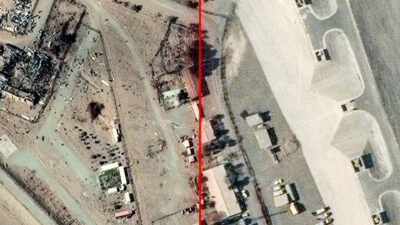
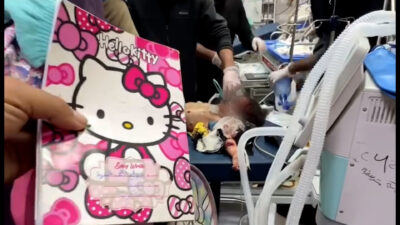
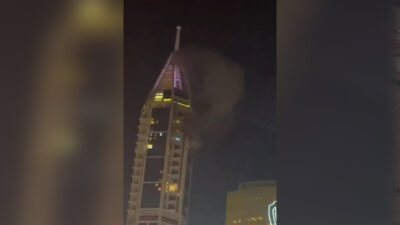
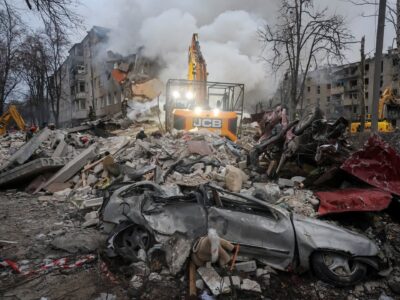
The operation, which commenced with targeted airstrikes across Venezuela, saw American forces neutralize key strategic assets loyal to the Maduro regime. Reports indicate that the initial phase involved precision bombing runs aimed at military installations and government strongholds. The intensity of the assault quickly overwhelmed Venezuelan defenses, leading to the rapid collapse of Maduro’s government. Eyewitness accounts from Caracas describe scenes of chaos and confusion as the capital fell under control of US-backed forces. The sound of explosions reverberated through the city as the long-standing socialist government finally crumbled.
Following the initial bombardment, ground forces moved in swiftly to secure critical infrastructure and to locate Maduro himself. Details surrounding his capture remain scarce, but sources close to the operation suggest he was apprehended in a secluded location outside Caracas, attempting to evade the advancing American and allied troops. His seizure concludes a tumultuous period for the oil-rich nation, which has been mired in political and economic crisis for years.
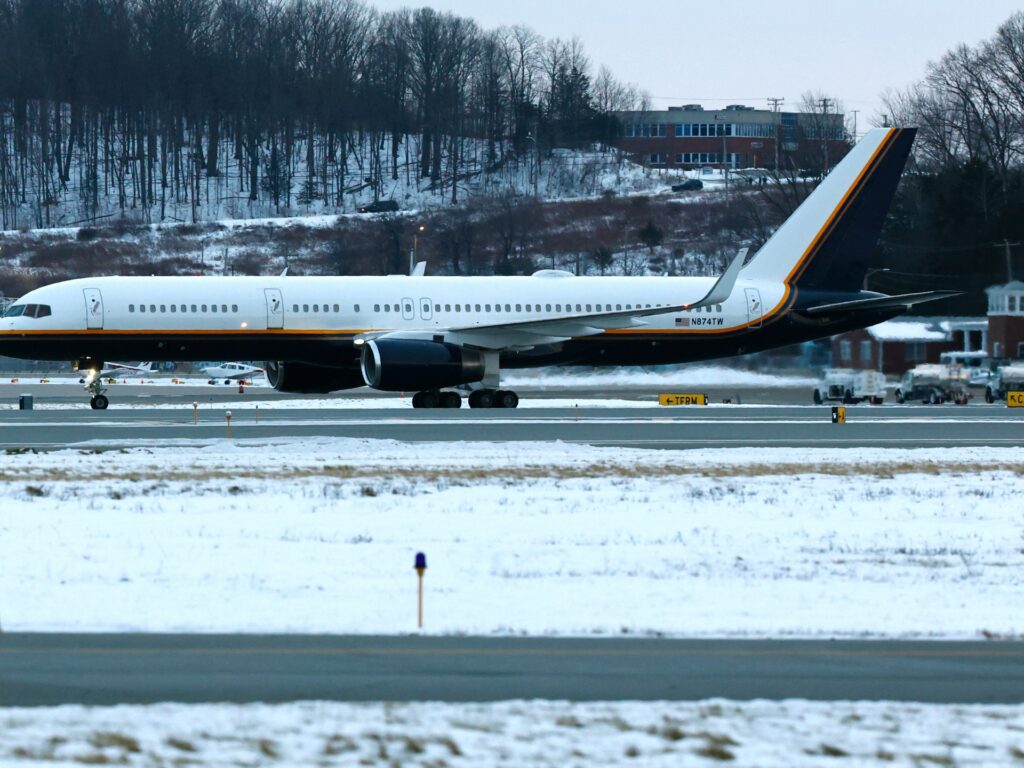
The journey from Venezuela to New York was conducted under extreme secrecy and heightened security. Maduro was reportedly transported via a military aircraft to an undisclosed facility in the New York area. His presence in the city signals the intent of the United States to proceed with potential legal proceedings, though specific charges have yet to be publicly detailed. The international community is bracing for the fallout, with reactions ranging from cautious optimism to outright condemnation.
Nations across Latin America have issued statements, some expressing concern over sovereignty, others welcoming the prospect of democratic transition. Russia and China have predictably denounced the intervention as a violation of international law, calling for an immediate de-escalation of tensions. Meanwhile, humanitarian organizations are mobilizing to address the potential needs of the Venezuelan populace in the wake of such a dramatic governmental upheaval.
The future of Venezuela now hangs in the balance. With Maduro removed, questions abound regarding the establishment of an interim government, the restoration of public order, and the path towards democratic elections. The scale of reconstruction required after years of economic decline and recent military action will be immense. Analysts suggest that the region could see a significant shift in geopolitical alliances as a result of this unprecedented intervention.
Security around federal facilities in New York has been visibly tightened, anticipating protests and demonstrations from both supporters and detractors of the former Venezuelan leader. The world watches intently as this saga unfolds, understanding that the implications of Maduro’s capture and the US intervention will reverberate far beyond Venezuela’s borders. This historic event marks a turning point, undeniably altering the course of South American history and setting a new precedent for international relations. The eyes of the globe are now fixed on New York, where Maduro’s presence symbolizes the profound consequences of a world dramatically transformed by force and political will. A new chapter has undeniably begun.