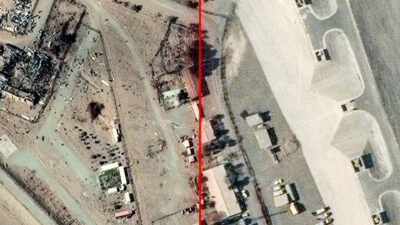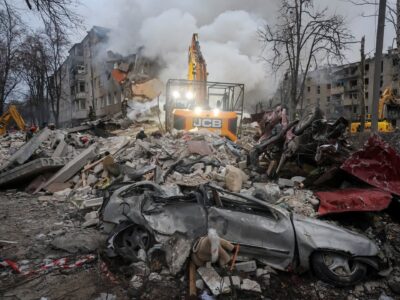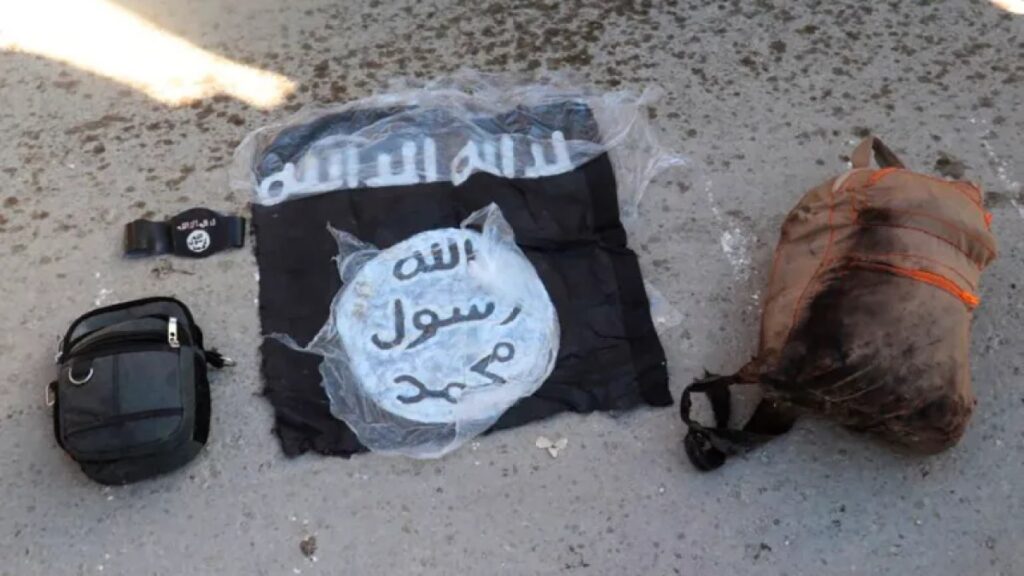
In a significant display of international cooperation, the United Kingdom and France have executed a joint military strike against an Islamic State of Iraq and the Levant (ISIL) target located near the ancient city of Palmyra in Syria. The coordinated operation aimed to degrade the terrorist group’s capabilities and disrupt its operational infrastructure within the war-torn region.
The UK’s Ministry of Defence (MoD) confirmed the details of the attack, stating that the primary objective was an underground facility suspected of being a crucial storage site for ISIL weaponry. Such facilities are vital to ISIL’s ability to arm its fighters, maintain its illicit supply chains, and project force across its remaining territories. The precision strike underscores the continued commitment of both nations to counter-terrorism efforts and to weaken ISIL’s enduring presence in Syria.
Palmyra, a UNESCO World Heritage site, has been a focal point of conflict and destruction throughout the Syrian civil war, having been occupied by ISIL on multiple occasions. The area’s strategic importance lies not only in its cultural heritage but also in its geographical position, making it a critical hub for various factions involved in the conflict. Targeting facilities in this vicinity aims to disrupt ISIL’s logistical networks that might be supporting its fighters in other parts of Syria or even potentially planning external attacks.
The joint nature of the operation highlights the robust intelligence sharing and operational synchronisation between the UK and French armed forces. Both countries are integral members of the Global Coalition against Daesh (ISIL), which has been working for years to dismantle the terrorist group’s caliphate and prevent its resurgence. These targeted strikes are a key component of the coalition’s strategy, which includes air campaigns, intelligence gathering, and support for local ground forces.
The MoD’s statement further emphasised that the strike was carried out with meticulous planning to minimise civilian casualties, a paramount consideration in all coalition operations. The focus on an underground facility suggests a deliberate effort to hit hardened targets that are less susceptible to conventional airstrikes, indicating a sophisticated level of intelligence and strike capability.
While ISIL has lost significant territorial control since its peak, it continues to pose a threat through its insurgent activities, sleeper cells, and propaganda efforts. Attacks like this are crucial in denying the group the resources and safe havens it needs to regroup and launch new offensives. The persistent pressure exerted by international forces through such precise military actions remains essential in the long-term objective of achieving stability and security in Syria and the broader Middle East.
The joint UK-French operation serves as a stark reminder that despite shifts in the geopolitical landscape, the international community remains vigilant against the remnants of ISIL. It reinforces the message that those who seek to destabilise the region through terrorism will be relentlessly pursued, and their capabilities systematically dismantled, wherever they may hide. The fight against extremism is a long-term endeavor, requiring sustained effort and global collaboration to ultimately succeed.