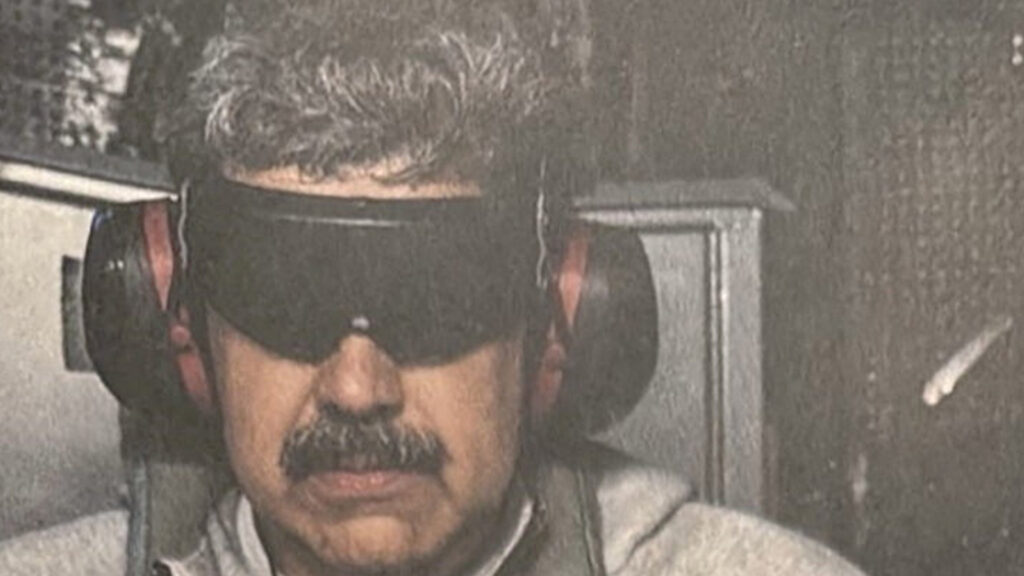
The political landscape was rocked this week following a deeply disturbing social media post by former U.S. President Donald Trump, featuring an image purporting to show Venezuelan President Nicolas Maduro bound and blindfolded. The photo, which circulated rapidly across digital platforms, immediately ignited a firestorm of shock, outrage, and widespread condemnation from an array of international actors, human rights organizations, and political figures alike.
The controversial image, shared via Trump’s personal social media channels, depicted a figure strongly resembling Maduro in a highly compromising and vulnerable position. While the authenticity or origin of the image remained unverified, its implications were undeniably provocative, raising serious questions about the nature of political discourse and the responsibilities of public figures. Critics were quick to point out the dangerous precedent such a post sets, particularly given the already volatile geopolitical climate surrounding Venezuela.
Donald Trump has historically been a vocal critic of the Maduro regime, advocating for a change in leadership within the South American nation and imposing stringent sanctions. This latest post, however, escalated his rhetoric to an unprecedented and alarming level. Many interpreted the image as a direct incitement to violence or an endorsement of extrajudicial actions, drawing sharp rebukes for its perceived disregard for international law and diplomatic norms.
Condemnation poured in from across the globe. The United Nations expressed grave concern over the potential for such imagery to fuel further instability and undermine efforts towards peaceful resolution in Venezuela. Human rights groups decried the post as a dangerous normalization of political abduction and torture, emphasizing the fundamental principles of human dignity and due process that should guide international relations. Opposition leaders, even those critical of Maduro, distanced themselves from the image, recognizing its potential to delegitimize any future democratic transitions.
Venezuelan government officials swiftly reacted with unreserved fury, labeling the post an act of psychological warfare and a direct threat to their sovereignty. Communications Minister Freddy Ñáñez condemned Trump’s actions as “barbaric” and a clear demonstration of imperialistic aggression, asserting that such tactics only served to strengthen the resolve of the Venezuelan people against external interference. The incident threatened to further strain the already frosty relations between Washington and Caracas, potentially closing avenues for future diplomatic engagement.
Political analysts weighed in, suggesting that the image, regardless of its origin, was a calculated move designed to provoke and maintain Trump’s relevance on the international stage, while simultaneously appealing to his base. However, many argued that the short-term political gains were far outweighed by the long-term damage to diplomatic protocols and the potential for increased regional instability. The event highlighted the potent and often unchecked power of social media in shaping international perceptions and inflaming political tensions.
The incident serves as a stark reminder of the delicate balance in international relations and the profound impact that leaders’ words and actions can have on global stability. As the dust begins to settle on this latest controversy, the image of a bound and blindfolded Maduro will undoubtedly remain a potent symbol of a deeply fractured political landscape and a testament to the ongoing challenges in navigating an era of digital diplomacy. The consequences of such a provocative act are likely to reverberate for weeks to come, underscoring the urgent need for responsible conduct in the international arena.