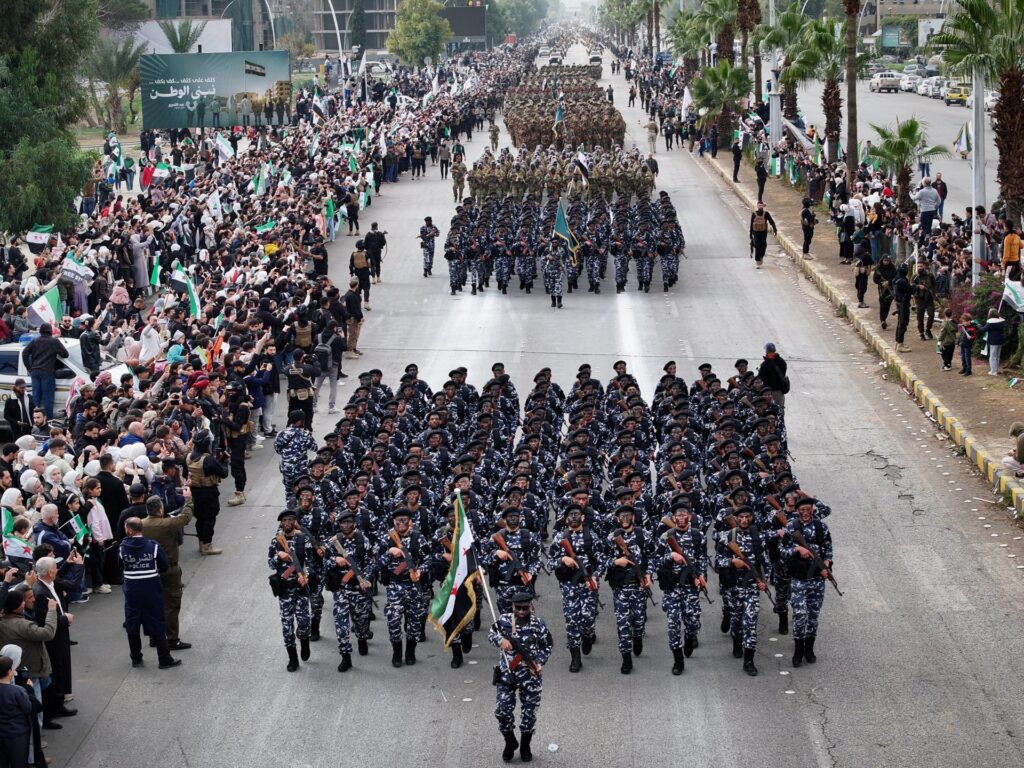
The establishment of Syria’s new interim government has signaled a nascent effort to reconstitute the nation’s armed forces, a critical step towards asserting sovereignty and ensuring long-term stability. However, the path to a robust and unified military is fraught with immense, multifaceted challenges, reflective of a decade of devastating civil war.
At the forefront of these obstacles is the profound depletion of human resources. Years of brutal conflict have led to staggering casualties, widespread defections, and a mass exodus of skilled personnel. This has created a critical shortage of experienced officers, NCOs, and specialists, leaving a significant void in leadership and technical expertise. The task of integrating disparate armed factions, many with conflicting loyalties and operational histories, into a cohesive national army presents a complex sociological and political puzzle. Rebuilding morale and fostering a sense of national purpose among new recruits, many of whom have lived their entire adult lives in war, will require considerable effort and trust-building initiatives.
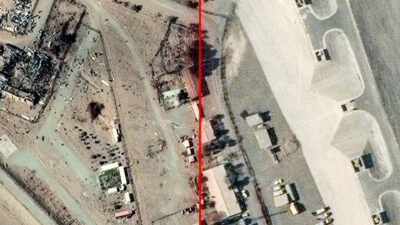
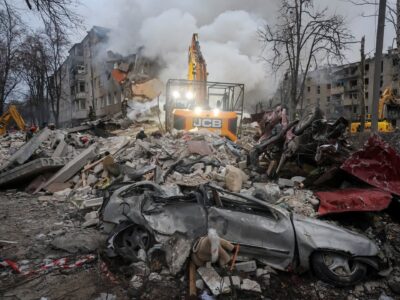
Materially, the Syrian armed forces have suffered catastrophic losses. Bases, training facilities, and logistical infrastructure have been decimated. A vast portion of its once considerable arsenal – tanks, aircraft, artillery, and small arms – has been destroyed, damaged, or rendered inoperable due to combat attrition and a chronic lack of maintenance and spare parts. The country’s shattered economy offers little immediate prospect for significant rearmament or comprehensive modernization. Syria’s capacity to finance military salaries, procure new equipment, and rebuild its defense industrial base is severely constrained, making external assistance a necessity, albeit one that often comes with geopolitical implications.
Politically, the interim government must navigate a labyrinth of internal divisions and the enduring influence of external actors. Various international powers, including Russia, Iran, and Turkey, have played significant roles in the conflict, supporting different parties and maintaining their own strategic interests within Syria. This geopolitical entanglement can complicate efforts to establish an independent military doctrine and command structure, potentially leading to competing loyalties and operational inefficiencies. Furthermore, addressing the ongoing presence of multiple non-state armed groups, some with foreign backing, remains a critical security imperative that directly impacts the scope and composition of the future national army.
Socially, the military faces the arduous task of regaining the trust of a populace deeply scarred by war. Allegations of past abuses and the weaponization of state power have eroded public confidence, making reconciliation and the establishment of a truly national, apolitical armed force paramount. This requires institutional reforms that emphasize accountability, human rights, and adherence to international law.
Finally, the technological gap and the need for modern training are pressing concerns. Rebuilding a military in the 21st century demands more than just numbers; it requires sophisticated training regimes, advanced equipment, and a strategic vision adapted to contemporary threats. Developing a professional force capable of defending Syria’s borders and maintaining internal security, while avoiding past pitfalls, will be a monumental undertaking.
The ambition to rebuild Syria’s armed forces is understandable and necessary. However, the intertwined challenges – human, material, financial, political, and social – form an exceptionally complex web. Success will not only hinge on strategic military planning but also on comprehensive political stabilization, economic recovery, and a concerted, delicate balancing act of internal cohesion and international relations. The journey will undoubtedly be long and arduous, demanding unwavering commitment and judicious decision-making from the interim government.