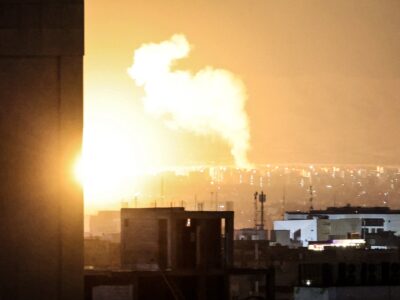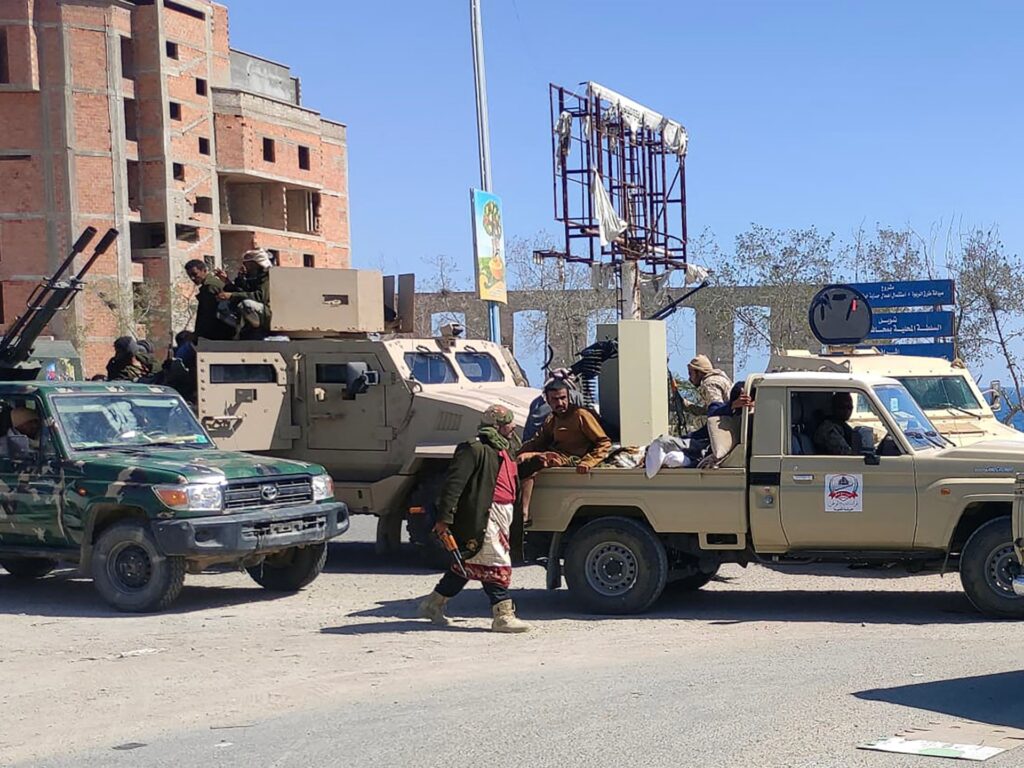
In a significant development in the protracted Yemeni conflict, government forces backed by the Saudi-led coalition have reportedly achieved substantial gains, successfully retaking multiple cities across southern Yemen. The offensive marks a crucial turn in the ongoing struggle for control and stability in the war-torn nation, drawing attention to the shifting dynamics on the ground.
Rashad al-Alimi, the head of Yemen’s Presidential Leadership Council, lauded the efforts of the Homeland Shield forces, proclaiming their achievements as a “record success.” This declaration underscores the strategic importance of the recent military operations and the morale boost they are expected to provide to the internationally recognized government. While specific cities were not named in the initial report, the implication of multiple urban centers being reclaimed suggests a broad and coordinated offensive.
The Homeland Shield forces, a key component of the Saudi-backed government’s military apparatus, have been instrumental in pushing back against opposing factions, primarily the Houthi rebels who control much of northern Yemen, including the capital Sanaa. The southern regions of Yemen have long been a complex tapestry of various armed groups, including southern secessionists and elements aligned with the government, making the consolidation of control a challenging endeavor.
The retaking of these cities is particularly noteworthy given the fluid and often stalemated nature of the Yemeni civil war, which has raged for nearly a decade. The conflict began in earnest in 2014 when Houthi rebels seized Sanaa, prompting the intervention of a Saudi-led coalition in March 2015 to restore the internationally recognized government. Since then, the country has been mired in a severe humanitarian crisis, with millions displaced and on the brink of famine.
These latest gains by the government forces could signal a renewed push to assert authority over territories that have been contested or under the control of adversaries. The strategic implications are vast, potentially enhancing the government’s bargaining position in any future peace talks and allowing for greater stability and governance in the reclaimed areas. Access to vital ports and trade routes in the south is also a critical factor, impacting humanitarian aid delivery and economic recovery efforts.
However, the path to lasting peace in Yemen remains fraught with challenges. The Houthi rebels still maintain significant control, and previous ceasefires have proven fragile. The international community, while often calling for de-escalation, watches closely as regional powers continue to exert influence. The success of the Homeland Shield forces, while celebrated, must be viewed within the broader context of a conflict that has defied easy solutions.
The true test of this “record success” will be the ability of the Presidential Leadership Council to consolidate its gains, establish effective governance, and foster reconciliation among diverse local populations. Security challenges, including the presence of extremist groups and lingering tribal grievances, will undoubtedly persist. For now, however, the government and its allies will undoubtedly hail this as a significant step forward in their protracted struggle to restore full sovereignty and bring an end to the devastating conflict.