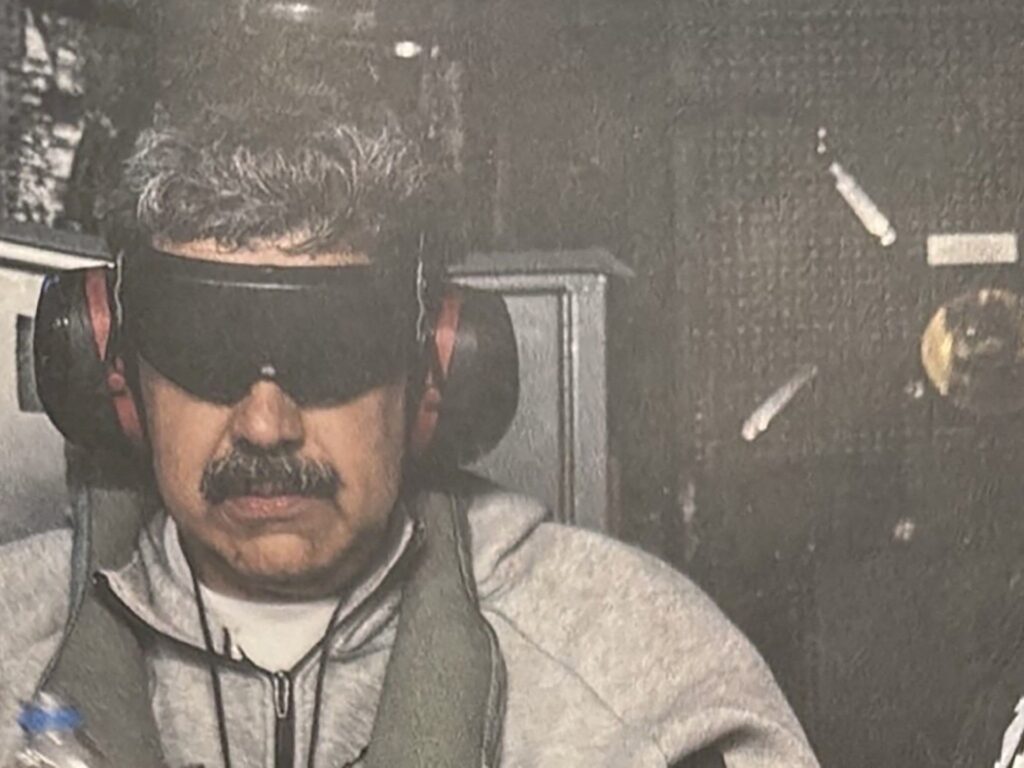
From humble beginnings in a working-class neighbourhood to an authoritarian presidency, here is a look at Maduro’s life.
Nicolas Maduro Moros was born on November 23, 1962, in Caracas, Venezuela. His early life was rooted in a working-class family, and he began his professional career as a bus driver for the Caracas Metro system. It was during this period that his political consciousness and involvement in social movements began to take shape. He quickly became a prominent trade union leader, advocating for the rights of public transport workers, a role that would lay the groundwork for his future political career.
Maduro’s trajectory significantly shifted with the rise of Hugo Chávez. He was an early and fervent supporter of Chávez’s Bolivarian Revolution, aligning himself with the Fifth Republic Movement (MVR) which brought Chávez to power in 1999. His loyalty and commitment to Chávez’s socialist ideals earned him a rapid ascent within the revolutionary government.
He served in various key positions, demonstrating his capabilities and solidifying his political standing. From 2000 to 2006, Maduro was a member of the National Assembly, where he presided over the body for a period. His diplomatic skills and unwavering allegiance were recognized when Chávez appointed him Minister of Foreign Affairs in 2006, a role he held for six years. In this capacity, Maduro became a familiar face on the international stage, representing Venezuela and articulating Chávez’s foreign policy vision.
In 2012, Chávez, battling cancer, designated Maduro as his successor, elevating him to the position of Vice President. Following Chávez’s death in March 2013, Maduro assumed the interim presidency. He then successfully won the special presidential election held in April 2013, narrowly defeating opposition candidate Henrique Capriles Radonski, thereby officially becoming the President of Venezuela.
Maduro’s presidency has been marked by profound challenges and escalating crises. Venezuela, rich in oil resources, experienced a severe economic downturn characterized by hyperinflation, widespread shortages of food and medicine, and a massive exodus of its population. Critics attribute these woes to his government’s mismanagement, corruption, and an over-reliance on oil.
His government has faced widespread international condemnation and accusations of authoritarianism, human rights abuses, and the suppression of political dissent. The 2018 presidential elections, in which Maduro secured a second term, were widely boycotted by the opposition and deemed illegitimate by numerous international observers and governments, including the United States, which subsequently recognized opposition leader Juan Guaidó as the interim president.
Internally, Maduro has maintained power through the support of the military and key alliances, while facing persistent protests and political instability. Internationally, Venezuela under Maduro has deepened ties with countries like Cuba, Russia, China, and Iran, amidst increasing isolation from Western nations.
Nicolas Maduro’s leadership has undeniably reshaped Venezuela’s political and socioeconomic landscape, cementing his place as a controversial and pivotal figure in the nation’s recent history. His journey from the bus routes of Caracas to the presidential palace embodies a complex narrative of socialist revolution, political endurance, and national crisis.