New York City – In a stunning turn of events that has sent shockwaves across the globe, Nicolas Maduro, the former president of Venezuela, was reportedly seized and transported to a detention facility in New York today, following an unprecedented military intervention by the United States. The dramatic developments unfolded rapidly, marking a definitive end to Maduro’s contentious rule and ushering in an era of profound uncertainty for the South American nation.
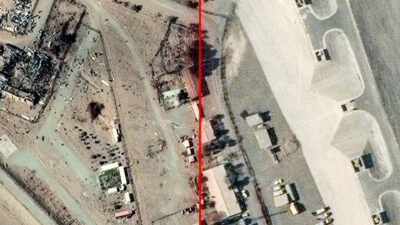
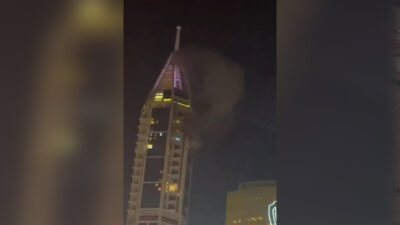
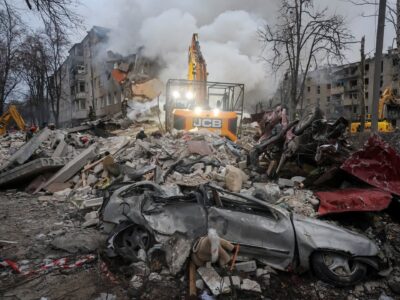
Sources close to the operation indicated that the United States initiated a series of targeted military actions across Venezuela, described as “precision strikes,” aimed at neutralizing key governmental and military infrastructure loyal to the Maduro regime. While details remain sparse and unconfirmed by official Pentagon channels, reports suggest these actions paved the way for ground forces to secure strategic locations and ultimately apprehend Mr. Maduro.
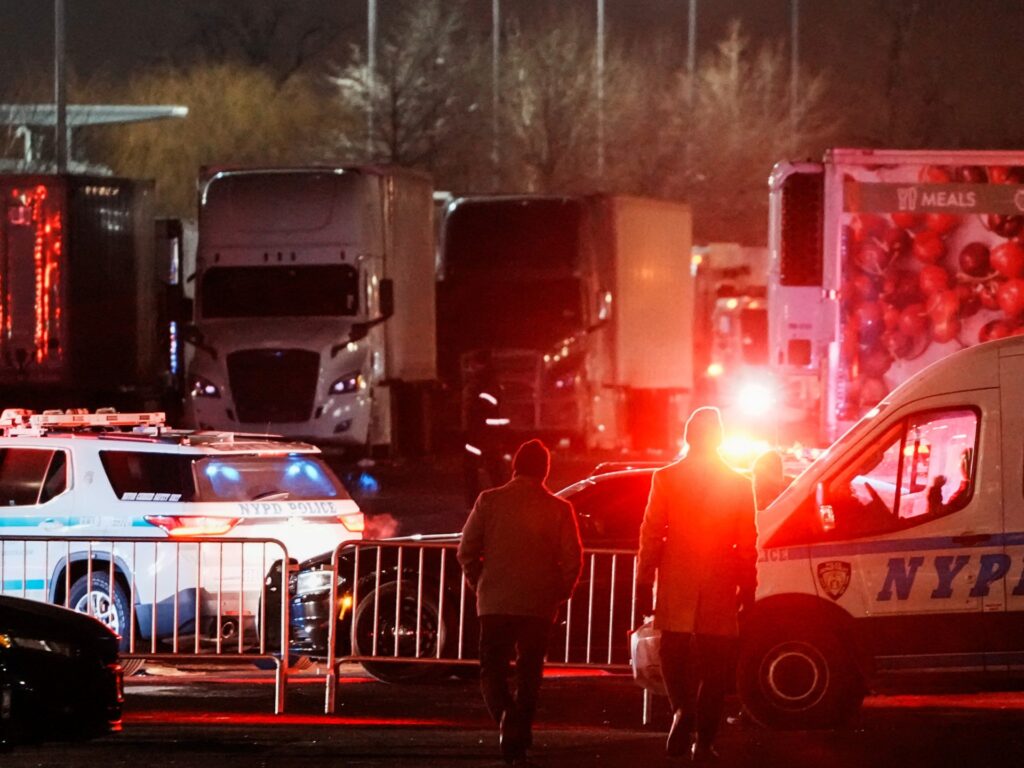
The former Venezuelan leader’s capture and swift transfer to US soil signifies a dramatic escalation in Washington’s long-standing opposition to his government. His arrival in New York, reportedly for processing and future legal proceedings, immediately sparked widespread speculation about the legal basis for his detention and the international ramifications of such an extraordinary rendition.
Reacting to the unfolding situation, former President Donald Trump, in a characteristically blunt statement, declared that the United States would now “run” Venezuela. Speaking from an undisclosed location, Mr. Trump asserted that the intervention was necessary to restore order and democracy to the oil-rich nation, which has been mired in a deep economic and political crisis for years under Maduro’s leadership. His remarks suggest a comprehensive and direct US administration of Venezuela’s affairs, a move that could redefine international norms of sovereignty and intervention.
The implications of Mr. Trump’s declaration are immense, suggesting a potential long-term US presence and direct oversight of Venezuela’s political, economic, and social reconstruction. This move would undoubtedly face scrutiny from international bodies and other world powers, many of whom have historically condemned unilateral military actions and interventions in sovereign states.
Analysts are scrambling to understand the full scope of this intervention, which appears to have been executed with remarkable speed and decisive force. The lack of prior public warning and the swiftness of Maduro’s capture have left many observers stunned, raising questions about the intelligence gathering and strategic planning that underpinned such a complex operation.
For the people of Venezuela, the news arrives amidst years of hardship, hyperinflation, and widespread shortages of basic necessities. The immediate future remains unclear, with many wondering whether this intervention will bring stability and prosperity or lead to further unrest and a prolonged period of foreign administration. Humanitarian organizations are already voicing concerns about potential civilian impact and the urgent need for aid in the wake of military actions.
The international community, still processing the speed of these developments, is expected to issue statements in the coming hours and days. The UN Security Council is likely to convene emergency sessions to address the crisis, while regional organizations like the OAS will undoubtedly weigh in on the legitimacy and consequences of the US actions. The precedent set by this intervention could have profound implications for international relations and the principle of non-interference.
As New York authorities confirm the presence of Nicolas Maduro within their jurisdiction, the world watches with bated breath, awaiting further details on the legal proceedings against him and, more crucially, the future trajectory of Venezuela under what appears to be direct US stewardship. The landscape of geopolitics has irrevocably shifted, with the full ramifications of this historic day yet to be understood.