NEW YORK/CARACAS – In a stunning and unprecedented series of events that have sent shockwaves across the globe, the United States today launched a comprehensive military operation against Venezuela, leading to the swift collapse of the Nicolás Maduro regime. The beleaguered Venezuelan leader himself was apprehended and reportedly flown directly to New York, as U.S. President Donald Trump dramatically declared that America would now directly “run” the South American nation, marking an extraordinary intervention into sovereign affairs.
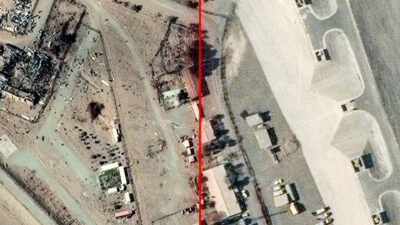
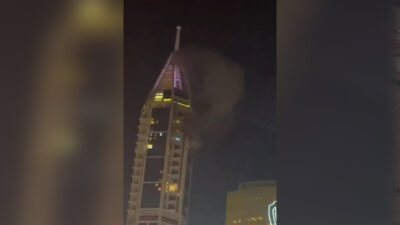
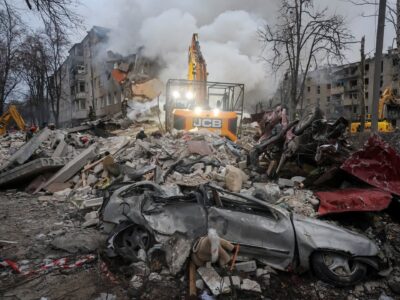
The dramatic intervention commenced in the pre-dawn hours with precision aerial bombardments targeting key military installations, airfields, communication hubs, and government infrastructure in and around the capital, Caracas. U.S. defense officials, speaking anonymously due to the sensitivity of ongoing operations, indicated that the strikes were meticulously designed to neutralize Maduro’s loyalist forces, dismantle his command and control capabilities, and minimize collateral damage to civilian populations. Within a mere handful of hours, widespread reports emerged of significant damage to strategic assets and a rapid, almost uncontested, capitulation of key Venezuelan military units.
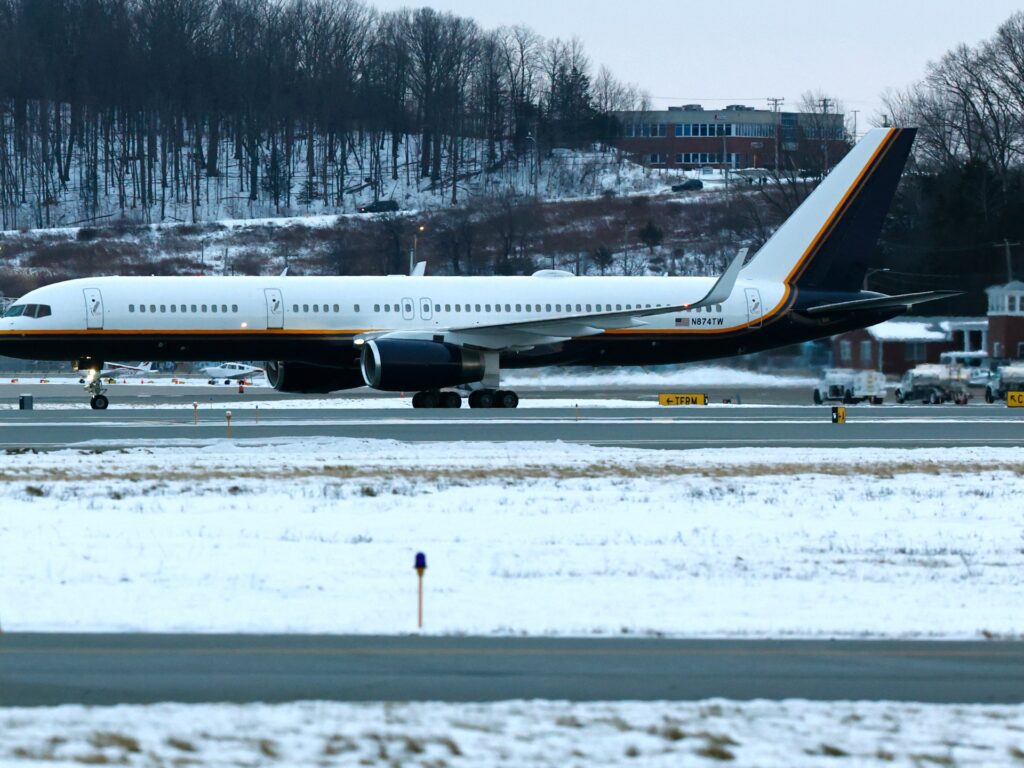
President Maduro was reportedly seized by highly-trained U.S. Special Forces operatives at Miraflores Palace, the presidential residence in Caracas, amidst the initial phase of the overwhelming operation. Eyewitness accounts, though still largely unconfirmed amid the chaos, suggested a swift, decisive, and surgically executed apprehension, catching the dictator and his inner circle completely by surprise despite his previously robust security apparatus. He was then immediately transferred to a secure U.S. military transport aircraft and flown under heavy armed escort to an undisclosed federal facility in New York, presumably to face forthcoming international charges relating to human rights abuses, corruption, and narcotrafficking. The suddenness and precision of his capture have left the international community reeling in disbelief.
In a rare and direct televised address from the hallowed halls of the Oval Office, President Trump unequivocally confirmed the audacious military action and Maduro’s apprehension, asserting with firm resolve that the move was absolutely necessary to restore genuine democracy, alleviate a severe humanitarian crisis, and bring stability to Venezuela. “For far too long, the proud Venezuelan people have suffered immensely under a brutal, corrupt, and illegitimate dictatorship,” President Trump stated emphatically, his voice resonating with conviction. “Today, that agonizing nightmare is decisively over. The United States will now take full charge and meticulously run Venezuela until its people can freely and fairly elect a legitimate and representative government. We will empower them to rebuild this once-great nation from the ground up.”
This extraordinary declaration by President Trump, outlining a direct U.S. administration of a sovereign state, marks an unparalleled and deeply unsettling shift in established international relations and sets a potentially perilous global precedent for national sovereignty and non-intervention. The action has already triggered a maelstrom of fierce reactions from world leaders across every continent. While some regional allies, particularly those long opposed to the Maduro regime, quietly expressed measured support for the removal, a vast array of nations, including powerful players like Russia, China, and numerous European and Latin American countries, have vehemently condemned the U.S. actions as a blatant, unprovoked violation of international law, the principles of self-determination, and the fundamental tenets of the UN Charter. Emergency sessions of the United Nations Security Council are reportedly underway, characterized by intense diplomatic sparring and profound division among member states.
On the ground in Venezuela, the situation remains extremely fluid, precarious, and highly volatile. Initial reports indicate scattered pockets of jubilation and celebratory demonstrations in some areas, particularly in traditional opposition strongholds, juxtaposed starkly with widespread concerns of escalating instability, potential armed resistance from remaining loyalist factions, and a profound power vacuum. Humanitarian organizations are rapidly mobilizing, bracing for a potentially severe crisis as the immediate aftermath of a sudden regime change often brings significant and unpredictable challenges to public order, the provision of essential services, and the secure distribution of vital aid. The future governance structure, the timeline for a democratic transition, and the very shape of post-Maduro Venezuela remain entirely unclear, fueling deep uncertainty and anxiety among the long-suffering populace.
International relations analysts and geopolitical strategists are scrambling frantically to assess the immediate and long-term implications of this audacious, unilateral military intervention. Profound questions abound regarding the legality and moral justification of the U.S. actions, the alarming precedent it establishes for state sovereignty and the principle of non-intervention, and the daunting potential for a prolonged U.S. occupation and complex, costly nation-building efforts in Venezuela. The global geopolitical landscape has been irrevocably altered by this singular, dramatic event, raising serious and far-reaching concerns about the future conduct of international relations, the very concept of the Monroe Doctrine in the 21st century, and the delicate balance of global power. The world watches with collective bated breath as this perilous new chapter in Venezuelan history unfolds under direct, unprecedented American stewardship.