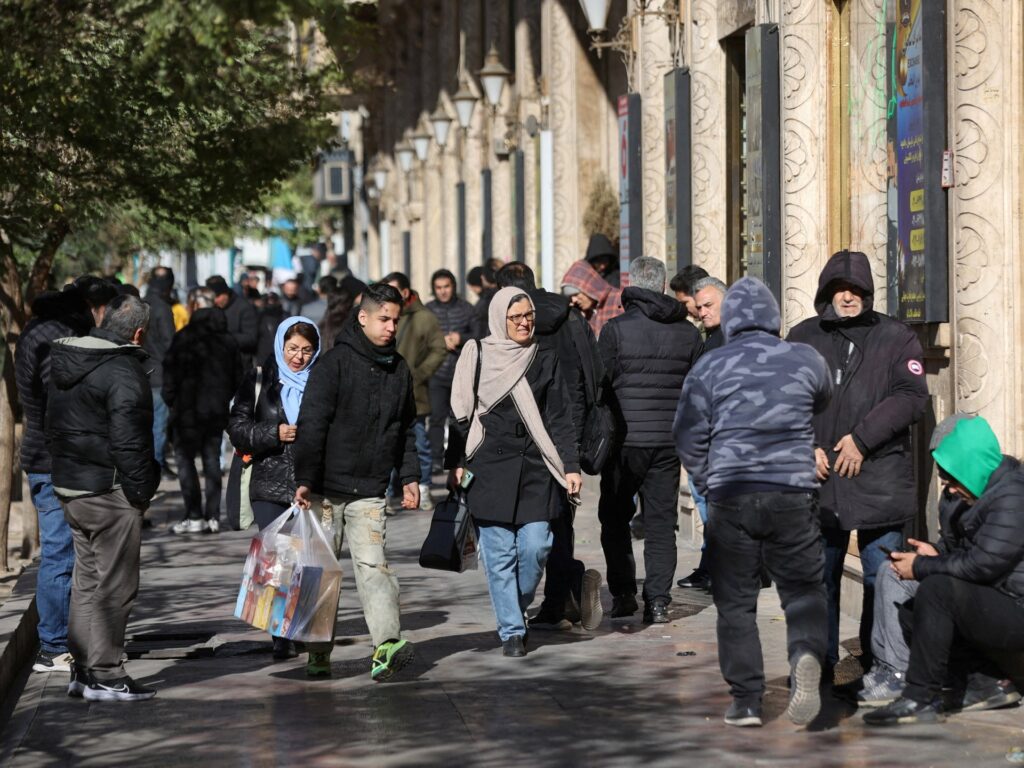
Tehran, Iran – A wave of unrest continues to sweep across Iran, marked by widespread protests, significant internet disruptions, and a growing number of arrests as authorities struggle to contain the dissent.
The nation has been gripped by demonstrations that erupted in response to the death of Mahsa Amini, a 22-year-old woman who died in police custody after being arrested by the morality police for allegedly violating the country’s strict dress code. Her death has ignited a powder keg of public anger, fueling protests across dozens of cities and towns, with women and youth at the forefront.
Evidence of the government’s attempts to stifle communication and organization among protestors has become increasingly apparent through severe internet restrictions. Cybersecurity company Cloudflare has reported a stark decline in internet traffic, showing an average 35 percent lower volume in Iran compared with previous days. This significant drop underscores a deliberate effort to disconnect the populace, hindering their ability to share information, organize further demonstrations, and communicate with the outside world.
These internet blackouts have far-reaching consequences, effectively isolating Iranian citizens and limiting the flow of uncensored news and images from the ground. Activists and human rights organizations have condemned these measures as a direct assault on freedom of expression and a tactic to obscure the reality of the ongoing crackdown.
In tandem with the internet shutdowns, reports of mass arrests have continued to mount. Iranian state media and human rights groups confirm that hundreds of individuals, including journalists, activists, and students, have been detained. These arrests are widely seen as part of a broader government strategy to suppress the uprising and intimidate those participating in or supporting the protests. Families of the arrested have voiced concerns over their loved ones’ well-being and access to legal representation.
The international community has largely condemned Iran’s response, calling for an end to the violence against protestors and upholding human rights. However, despite international pressure and the government’s repressive tactics, the protests show little sign of abating, highlighting the deep-seated grievances within Iranian society.
As the situation unfolds, the combination of popular dissent, state-imposed internet blackouts, and widespread arrests paints a grim picture of a nation in turmoil, with the future trajectory of these protests remaining uncertain but profoundly significant for Iran’s social and political landscape.