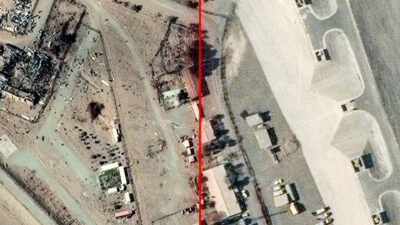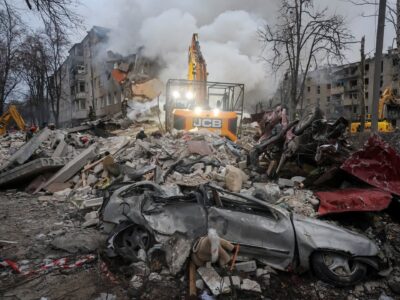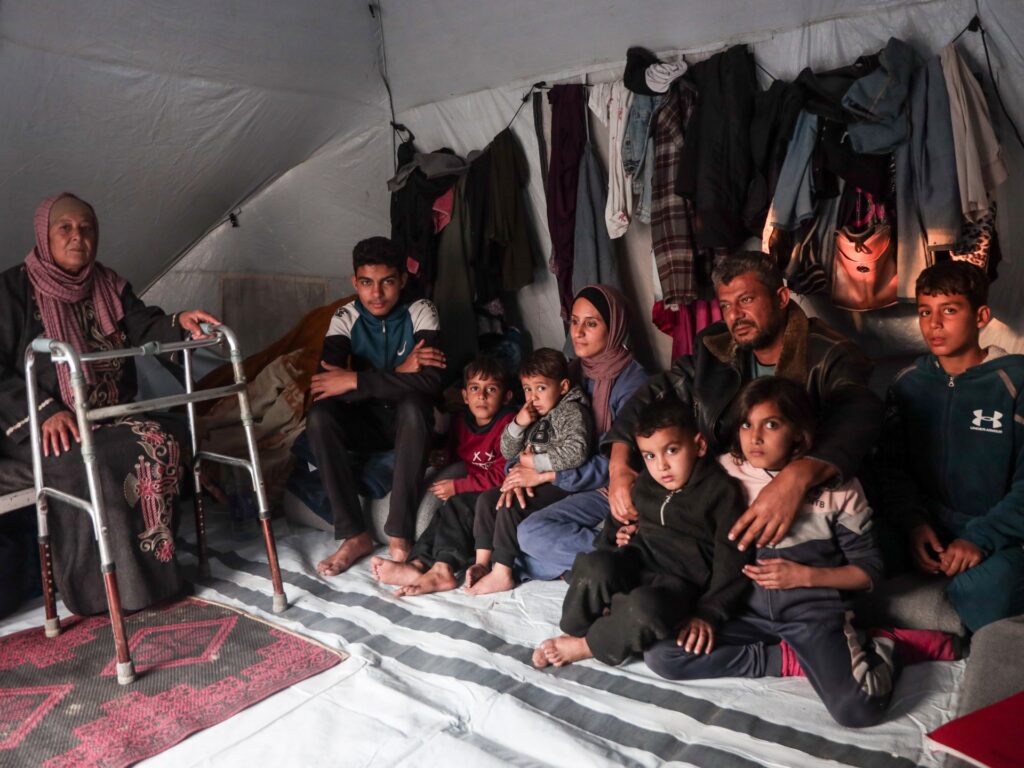
The Gaza Strip is facing an unprecedented humanitarian and economic crisis, with poverty and unemployment rates skyrocketing in the wake of recent conflicts. A staggering 87 percent economic plummet over the past two years has left the region in dire straits, pushing thousands further into destitution and depriving them of essential resources.
Life in Gaza, already challenging due to years of blockade and recurrent hostilities, has deteriorated significantly. The latest data paints a grim picture: businesses shuttered, infrastructure severely damaged, and a once fragile economy now teetering on the brink of complete collapse. The 87% contraction highlights the catastrophic impact of the ongoing instability and restrictions on trade and movement.
Families, many of whom were already struggling to make ends meet, are now finding it nearly impossible to secure basic necessities like food, water, and medicine. The loss of livelihoods has created a ripple effect, with widespread food insecurity becoming a pressing concern. International aid organizations report an alarming increase in dependency on humanitarian assistance, yet even these efforts are often insufficient to meet the overwhelming demand.
Unemployment figures have reached critical levels, particularly among the youth, who constitute a significant portion of the population. With limited opportunities for education and virtually no prospects for employment, a generation is facing a bleak future. The lack of economic activity means there are few jobs available, leading to a cycle of poverty that is increasingly difficult to break.
The agricultural sector, a vital component of Gaza’s economy, has been severely impacted by military operations and access restrictions. Farmlands have been damaged, and farmers struggle to cultivate their crops or transport their produce to markets. The fishing industry, another key source of income, is similarly hampered by naval blockades.
Manufacturing, once a nascent sector, has also ground to a halt due to the destruction of factories, shortages of raw materials, and the inability to export finished goods. The cumulative effect of these challenges is an economy that is largely dysfunctional, unable to provide for its inhabitants.
The psychological toll on the population, especially children, is immense. Constant uncertainty, poverty, and the trauma of conflict contribute to widespread mental health issues. The international community has repeatedly called for an end to the blockade and greater efforts to facilitate economic recovery, but progress has been slow.
Reconstruction efforts are hampered by restrictions on the entry of building materials, making it difficult to rebuild homes and infrastructure destroyed during the conflict. Without sustained investment and a lifting of restrictions, experts warn that the economic crisis in Gaza will continue to deepen, with severe long-term consequences for its residents.
The immediate future appears bleak for the people of Gaza, as they continue to grapple with the devastating economic fallout, exacerbated by political stalemate and a lack of viable solutions. The urgent need for comprehensive economic rehabilitation and sustained peace remains paramount to avert further humanitarian catastrophe.