The United States has announced a significant reduction in its humanitarian aid contributions to the United Nations, slashing the funding pool to $2 billion. This marks a steep decrease from the previous US contributions that reached up to $17 billion in recent years. The new funding plan is designed to target specific countries or crises more selectively, aligning with demands from the Trump administration for reforms within the UN system.
This cutback reflects a shift in US foreign aid policy under the Trump administration, which has emphasized a reevaluation of the efficiency and accountability of international organizations. The reduction is among the largest seen in recent history and is expected to have a substantial impact on the UN’s ability to respond to global humanitarian emergencies.
The $2 billion allocation is focused on prioritizing crises deemed most urgent or strategically important, representing a move away from more broad-based funding approaches. This restructuring aims to streamline aid distribution but has raised concerns among humanitarian groups and UN officials about the potential consequences for vulnerable populations in less prioritized regions.
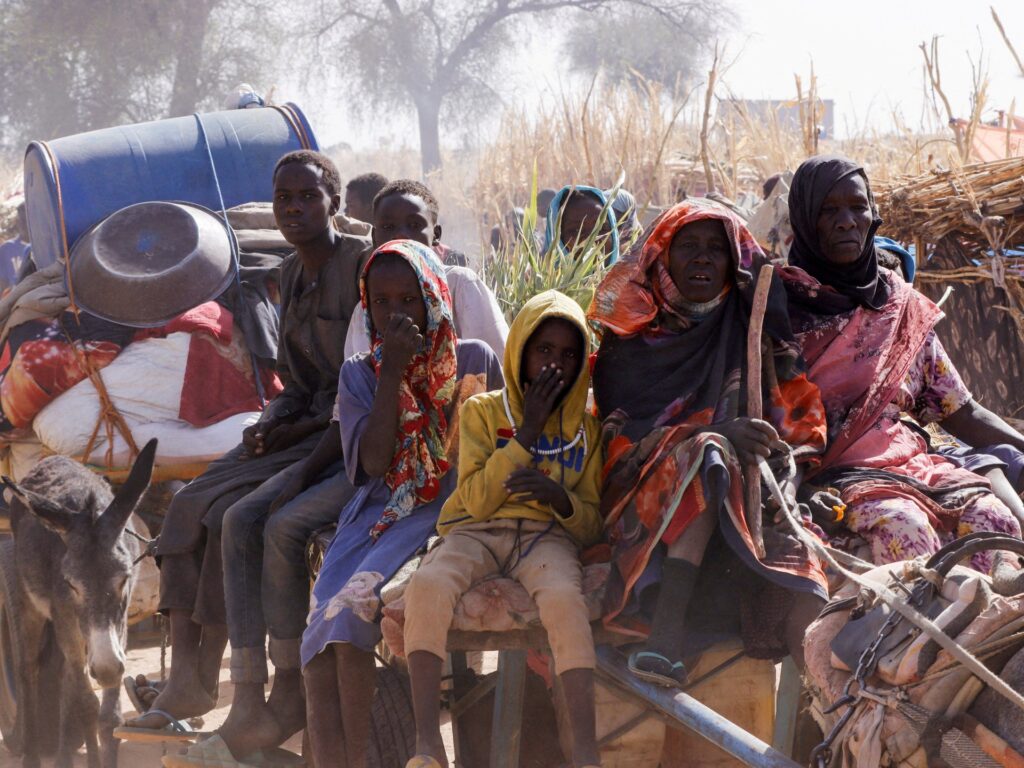
Critics argue that the drastic funding cut may undermine decades of progress in global humanitarian efforts and could exacerbate suffering in areas dependent on UN aid. They warn that reduced US funding could also prompt other donor countries to reconsider their contributions, potentially leading to a funding shortfall for key programs.
Supporters of the Trump administration’s stance maintain that the reforms sought are necessary to enhance transparency, reduce waste, and ensure that aid funds are used effectively. They stress that targeted funding can improve outcomes by concentrating resources on the most critical needs.
The decision follows longstanding complaints from US officials regarding the UN’s management practices, including allegations of inefficiency and insufficient oversight. The administration’s approach aligns with a broader strategy to renegotiate the United States’ role in international institutions and its global financial commitments.
As the implementation of the $2 billion funding plan begins, the UN will need to adjust its operational priorities to accommodate the reduced financial support. This may involve difficult decisions regarding which programs or countries receive aid and may necessitate additional funding from other sources.
The humanitarian community is closely monitoring the situation and calling for renewed international cooperation to compensate for the US funding cuts. Global aid organizations emphasize the importance of sustained and predictable financing to address complex emergencies such as conflicts, natural disasters, and pandemics.
In conclusion, the United States’ decision to slash its UN humanitarian aid from up to $17 billion to $2 billion highlights a pivotal shift in international aid policy. The emphasis on reform and targeted assistance reflects the current administration’s priorities but also poses significant challenges for the UN and the global humanitarian system. The coming months will be critical in determining how these changes affect international aid dynamics and the well-being of vulnerable populations worldwide.