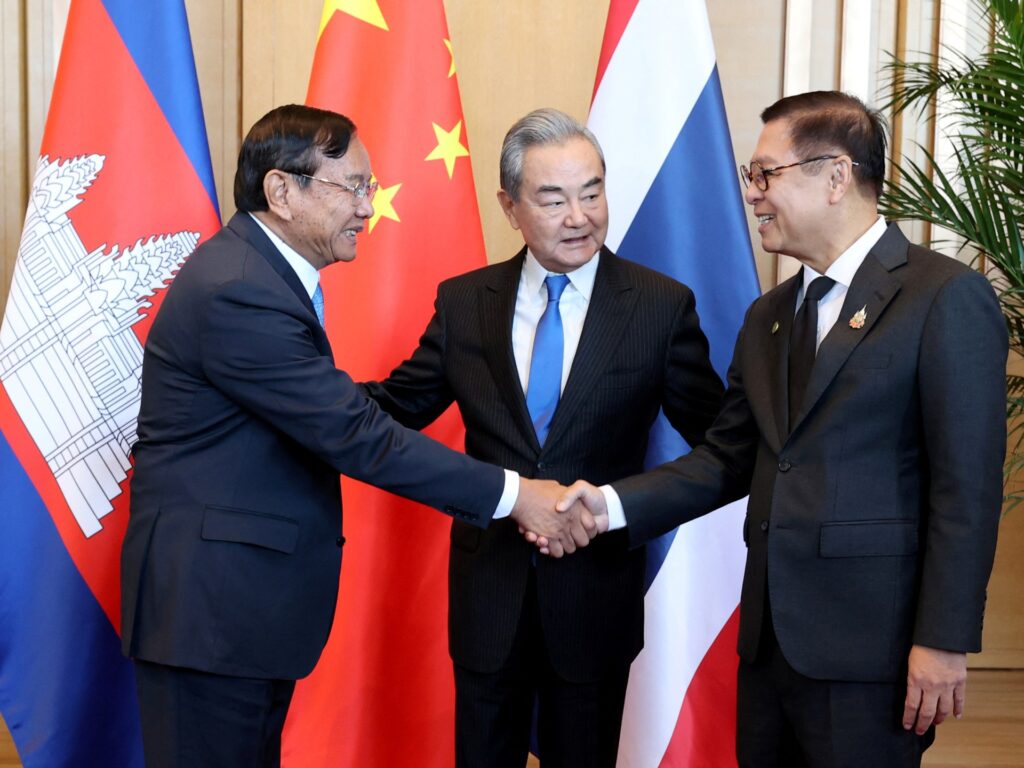
In a significant diplomatic development, Thailand and Cambodia have agreed to continue building on their recently established ceasefire during ongoing talks in Yunnan, China. The two countries, which have been embroiled in weeks of hostilities, are now engaging in a second day of negotiations aimed at sustaining peace and addressing underlying issues.
The ceasefire agreement was initially brokered over the weekend and has temporarily halted the fighting that escalated between the neighboring nations. The conflicts had raised concerns in the international community due to the potential for destabilizing the region and affecting the lives of thousands living near the border areas.
The discussions in Yunnan represent a concerted effort by both governments to move beyond the immediate cessation of hostilities and towards a more durable solution. Officials involved in the talks are focusing on mechanisms to enforce the ceasefire, prevent future clashes, and explore pathways for peaceful coexistence.
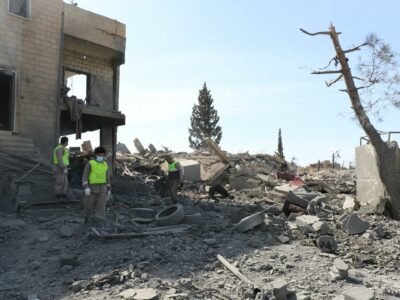
Previously, tensions flared over disputed border territories, with incidents of armed skirmishes reported between military forces of both sides. The damage from these confrontations has disrupted local communities and strained diplomatic relations.
China’s role as the host of the negotiations underscores its interest in regional stability and its position as a mediator in Southeast Asian conflicts. By providing a neutral ground for dialogue, China hopes to facilitate constructive engagement and foster better bilateral relations between Thailand and Cambodia.
Both nations have expressed commitment to the dialogue process and the importance of maintaining peace. International observers and neighboring countries have welcomed the talks, viewing them as a positive step towards resolving long-standing disputes.
The second day of talks aims to solidify the ceasefire terms and discuss confidence-building measures, border demarcation issues, and cooperation on security and development. There is cautious optimism that these efforts could lead to a comprehensive agreement, preventing future escalation and promoting mutual prosperity.
The ongoing negotiations highlight the challenges in reconciling territorial claims and historical grievances but also demonstrate a shared resolve to prioritize diplomatic solutions over conflict. As the talks proceed, the international community remains hopeful that the outcomes will contribute to lasting peace and stability in the region.