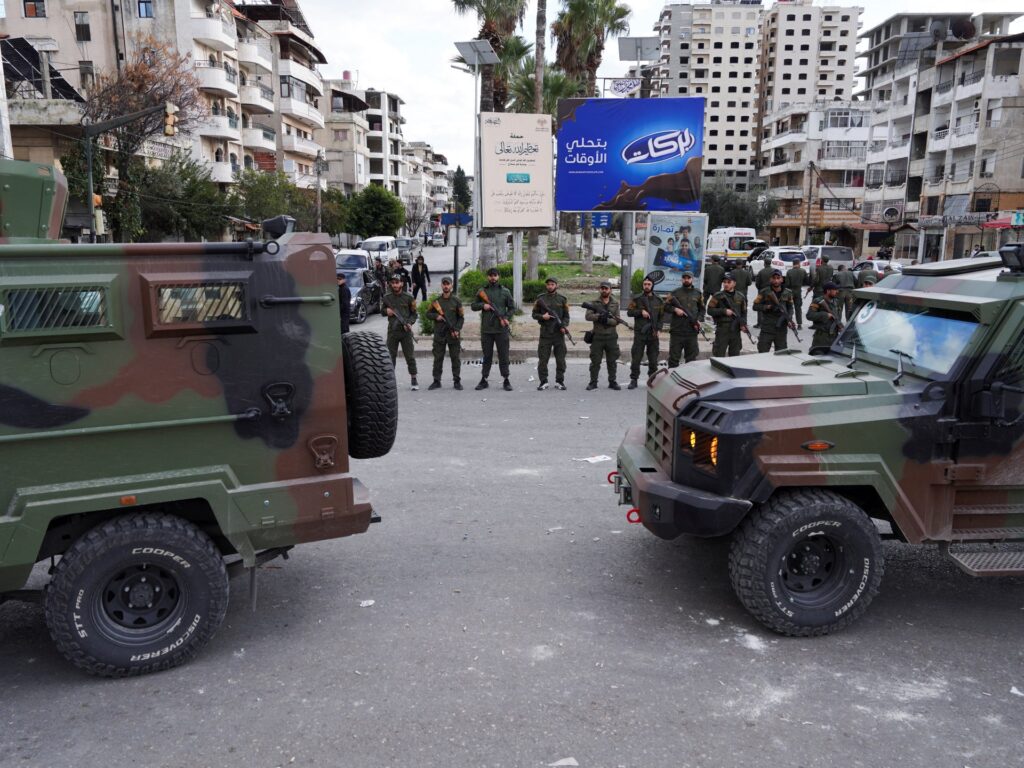
In a recent surge of unrest, hundreds of Syrians have taken to the streets in the coastal cities of Tartous and Latakia, demanding the release of former soldiers detained by the authorities. The protests, which began peacefully, quickly escalated into deadly clashes between demonstrators and security forces, marking a significant escalation in the ongoing turmoil in the region.
The protestors, mainly family members and supporters of former soldiers, claim the detentions are unjust and call for immediate freedom for those held. The situation is tense as both cities have rarely been the epicenter of such widespread dissent, indicating a deepening of public frustration with the current political and military status quo.
Eyewitnesses report that demonstrators gathered in large numbers, chanting slogans and holding banners demanding justice and transparency regarding the detentions. Security forces reportedly responded with tear gas and live ammunition, resulting in numerous casualties and injuries.
The clashes in Tartous and Latakia are particularly significant as these cities have been relatively calm compared to other conflict zones in Syria. The escalation of protests here suggests a potential shift in public sentiment and a broader dissatisfaction with the ongoing governance and military actions.
International observers have expressed concern over the situation, urging restraint from all parties and calling for dialogue to resolve the crisis peacefully. Human rights organizations have documented the incidents and are demanding investigations into the use of force against peaceful demonstrators.
The Syrian government has not yet released an official statement regarding the protests or the demands of the demonstrators. However, sources indicate an increase in security measures and a crackdown on additional protests to prevent further unrest.
The release of former soldiers has become a rallying point for many Syrians who view the detentions as politically motivated and unjust. This development has added another layer of complexity to the already volatile Syrian conflict, which has lasted over a decade.
As the situation remains fluid, the international community continues to monitor events closely, emphasizing the need for a peaceful resolution to prevent the further loss of life and stability in the region.
This latest wave of protests highlights the ongoing challenges faced by the Syrian population, including issues of justice, accountability, and governance, amid a protracted and multifaceted conflict. The coming days will be critical in shaping the trajectory of these demonstrations and the broader political landscape in Syria.