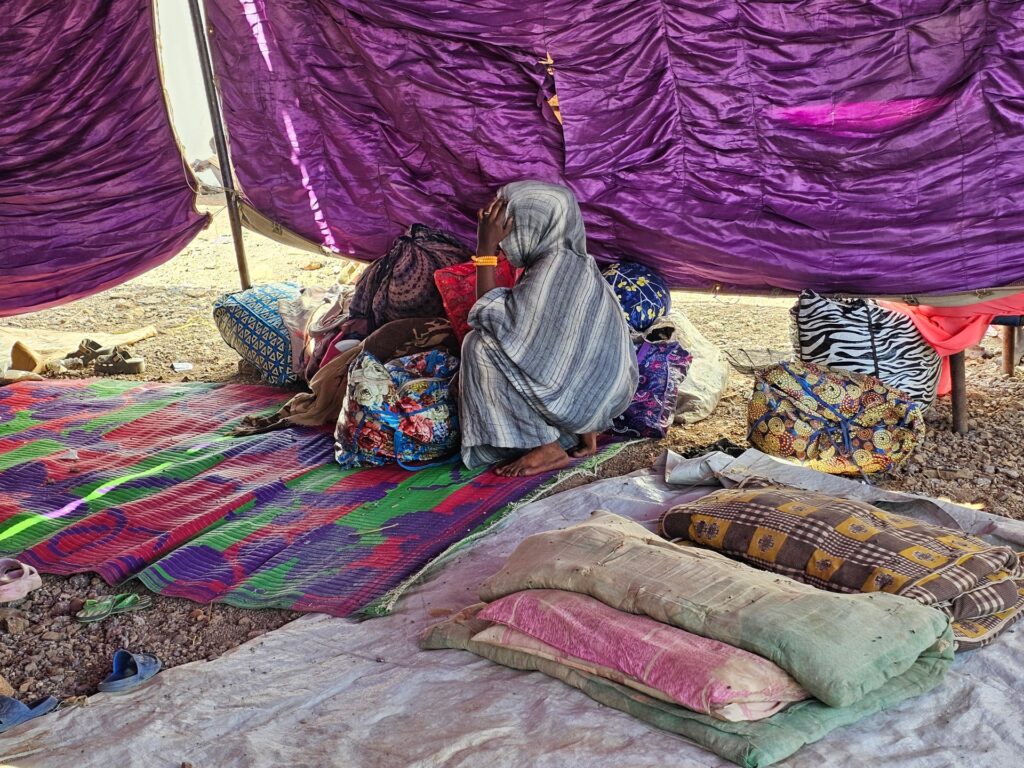
Sudan is grappling with a dire humanitarian crisis marked by widespread starvation and the emergence of ‘ghost towns’, a troubling consequence of ongoing conflict and siege tactics employed by the Rapid Support Forces (RSF). The situation has deteriorated sharply as the army chief, General Abdel Fattah al-Burhan, has firmly demanded the surrender of the RSF without compromise. This stalemate has exacerbated the plight of millions across the country, especially in regions like Darfur and Kordofan.
General al-Burhan’s rejection of any compromise with the RSF comes at a time when funding for essential services has been severely cut, leaving large segments of the population vulnerable. The reduction in humanitarian aid has compounded the crisis, pushing many families to the brink of starvation.
The RSF, a powerful paramilitary group, has been laying siege to numerous villages in Darfur and Kordofan, cutting off access to food, medical supplies, and other necessities. This siege strategy has effectively emptied several rural areas, turning once-thriving communities into ghost towns.
These ghost towns symbolize the human cost of the ongoing conflict, as residents flee the violence and deprivation. Witnesses report villages eerily deserted, with homes abandoned and markets shut down. The local economies have collapsed, and social structures are fraying.
Aid organizations have struggled to deliver assistance amid the fighting, with access restricted due to security concerns and logistical challenges. Humanitarian workers warn that without immediate intervention, famine could take hold in the worst-affected areas, leading to further loss of life.
The international community has called for urgent dialogue and ceasefires to alleviate the suffering and facilitate the delivery of aid. However, the steadfast positions of both military factions hinder progress toward peace.
The crisis in Sudan highlights the complex interplay between political power struggles and humanitarian disasters. As General al-Burhan demands the RSF’s unconditional surrender, the population caught in the crossfire faces increasing hardship.
Without a resolution, the humanitarian fallout will likely deepen, with starvation and displacement continuing to afflict millions. The deserted villages stand as a stark reminder of the conflict’s devastating impact on Sudan’s people and infrastructure.
Efforts to restore peace and stability require sustained international engagement, increased funding for aid programs, and a commitment by all parties to prioritize civilian welfare over military objectives. The fate of Sudan’s vulnerable populations hangs in the balance as the military impasse persists.