Iran is witnessing a surge in protests and strikes as the country’s economic situation rapidly deteriorates, further squeezing the daily lives of its citizens. The nation faces a multifaceted crisis with a tanking economy, an escalating energy crisis, widespread water shortages described as ‘water bankruptcy,’ and lethal pollution issues severely affecting public health and quality of life.
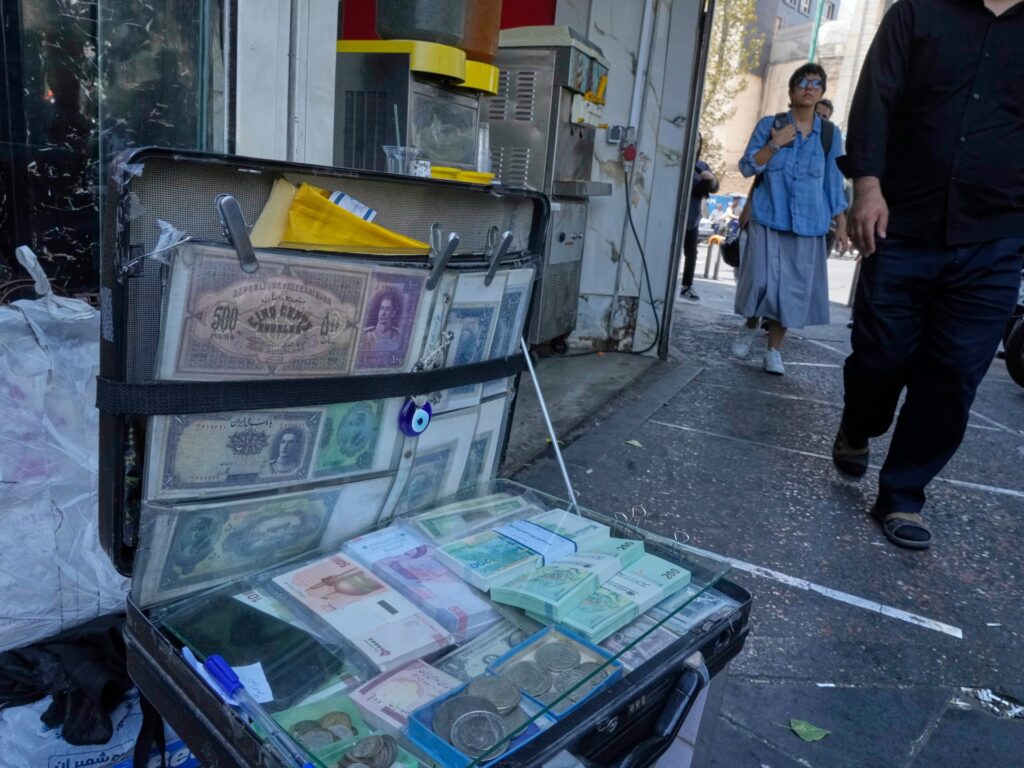
The economic downturn is impacting every sector, leading to inflation, unemployment, and an increased cost of living. Ordinary Iranians find it increasingly difficult to cope with rising prices, reduced purchasing power, and limited job prospects, fueling widespread discontent.
Energy shortages have become a critical problem, with frequent power outages affecting both residential areas and industrial operations. This has disrupted daily routines and economic activities, adding to public frustration and the mounting pressure on Iran’s infrastructure.
Water scarcity is another pressing concern. Reports indicate that many regions face ‘water bankruptcy,’ a state where water resources are depleted or contaminated beyond usability, threatening agriculture, drinking water supplies, and overall sustainability.
Environmental degradation due to lethal pollution compounds the crisis, contributing to health problems and diminishing living conditions, particularly in urban areas. Toxic air quality has led to increased respiratory illnesses and has become a rallying point for activists demanding government action.
In response to these interconnected crises, Iranians have organized protests and strikes, demanding government accountability and the implementation of effective policies to address economic hardship, improve resource management, and protect the environment.
The government faces significant challenges in managing this complex situation, as traditional economic remedies appear insufficient to address the scale of the crisis. International sanctions, coupled with internal mismanagement, exacerbate the situation, complicating efforts to stabilize the economy and improve living conditions.
Observers note that the ongoing unrest signifies deep-rooted structural issues within Iran’s political and economic systems. Without comprehensive reforms and increased transparency, the cycle of economic decline and social unrest may continue.
The situation in Iran serves as a stark reminder of the interconnectedness of economic management, environmental sustainability, and social stability. As the country grapples with these challenges, the international community watches closely, concerned about the broader regional implications.
Efforts to mitigate the crisis will require coordinated government response, public cooperation, and possibly international support to restore economic stability, improve energy and water security, and tackle environmental pollution effectively.
For now, the daily reality for many Iranians remains difficult, with ongoing protests and strikes highlighting the urgent need for change in policy and governance.
This unfolding crisis underscores the importance of sustainable economic policies and environmental stewardship in safeguarding the wellbeing of nations and their populations.