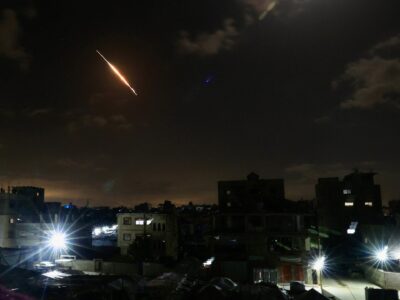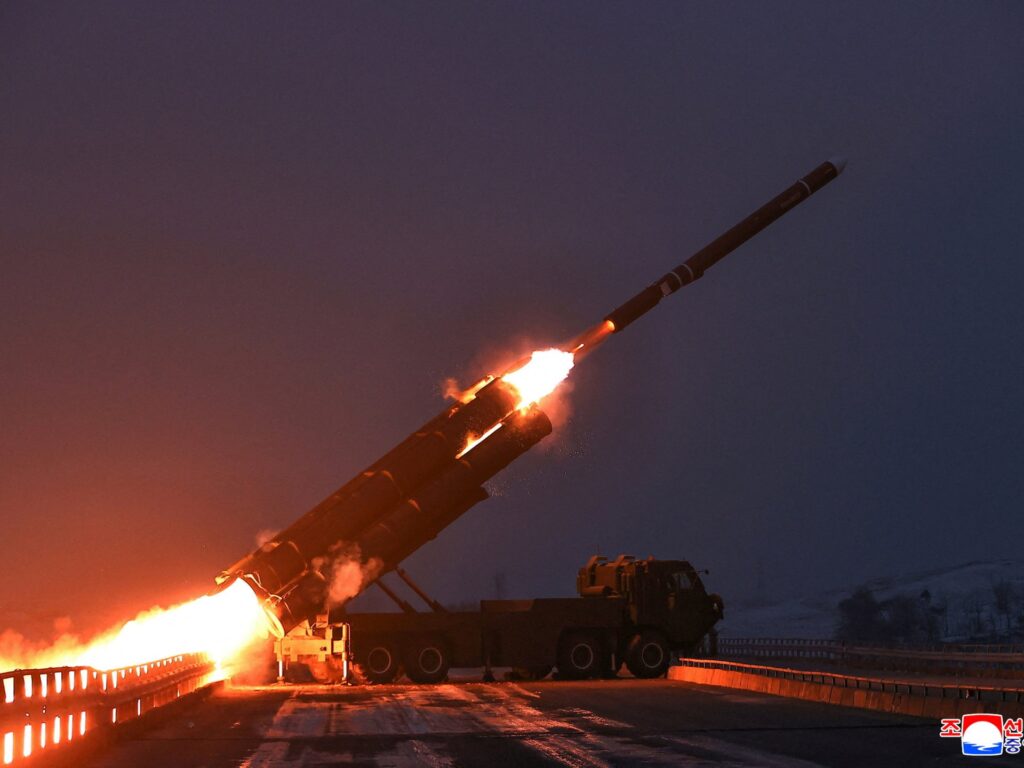
In a recent development that underscores the mounting tensions on the Korean Peninsula, North Korean leader Kim Jong-un personally supervised the test launch of new long-range cruise missiles. This event marks a significant step in North Korea’s ongoing efforts to bolster its military capabilities amid a challenging geopolitical environment.
The test launch was carried out with the dual objectives of demonstrating advanced missile technology and sending a strong message to the international community. Analysts have pointed out that the cruise missiles, with their extended range and precision, represent a strategic enhancement of the country’s offensive capabilities.
During the event, Kim Jong-un emphasized the importance of what he called the “unlimited and sustained development” of North Korea’s nuclear combat forces. His remarks signal a clear prioritization of military strength, particularly nuclear deterrence, as the country prepares for a critical political milestone—the upcoming key party congress.
This congress is expected to be a pivotal event for the ruling Workers’ Party of Korea, setting the tone for policy direction, leadership consolidation, and strategic initiatives for the foreseeable future. The timing of the missile test could be interpreted as preparation for tough diplomatic negotiations or as a show of strength to domestic and foreign audiences.
North Korea’s persistent development and testing of missile technologies have long been a source of international concern. The regime’s advancements in cruise missile technology specifically provide it with a flexible and potentially stealthy option for delivering payloads, thereby complicating regional security calculations.
The international community has condemned such tests, urging Pyongyang to return to dialogue and adhere to international norms on non-proliferation and disarmament. However, North Korea maintains that its military developments are necessary for self-defense against perceived external threats.
Experts believe that the recent test launch reflects North Korea’s strategic intent to enhance its military deterrent in an increasingly uncertain global security landscape. The focus on “unlimited and sustained” nuclear force development suggests a long-term commitment to maintaining a robust and modernized arsenal.
As the world watches closely, the upcoming party congress will not only reveal more about North Korea’s internal political dynamics but also signal how the country plans to navigate its complex relationships with neighboring countries and major global powers.
In conclusion, Kim Jong-un’s direct involvement in overseeing missile tests coupled with his call for expansive nuclear force development highlights Pyongyang’s intent to solidify its position as a key military power. This move inevitably raises stakes in regional security and poses significant challenges for diplomatic engagement and peace efforts in East Asia.