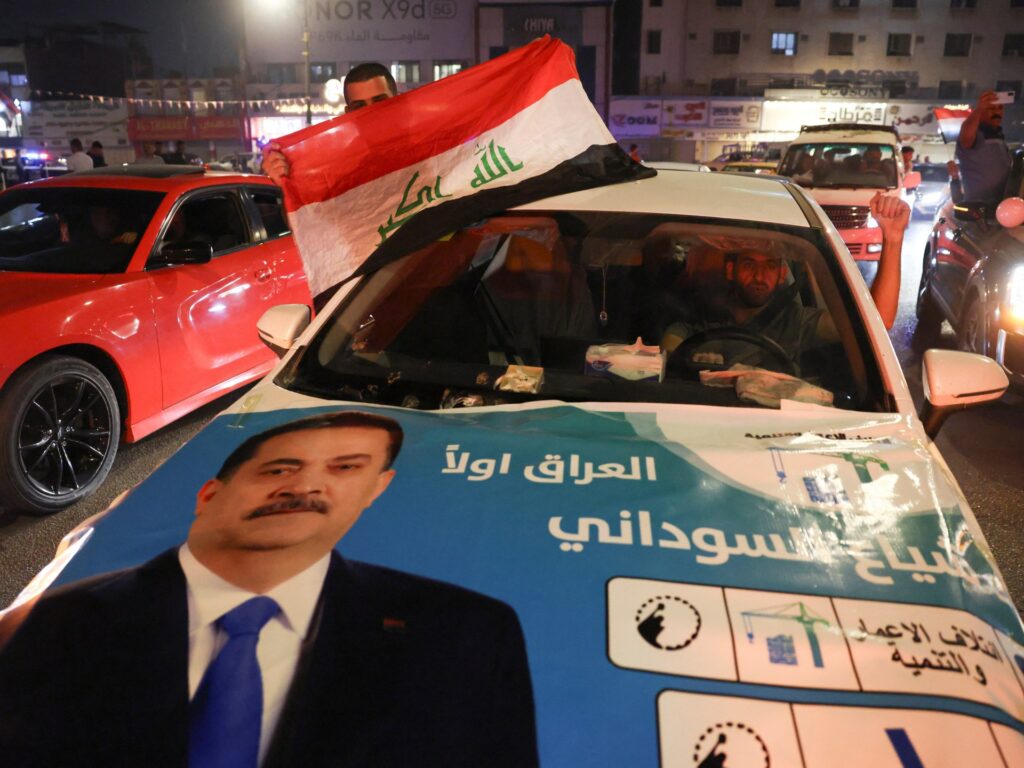
Iraq’s recent elections have spurred intense analysis and debate regarding who actually emerged victorious, given the complex interplay of domestic political forces and international stakes. The election results themselves are just the beginning of a complicated political process that will shape Iraq’s future governance.
Initially, election data showed no clear single winner surpassing expectations across Iraq’s diverse political factions. Instead, results indicated a fragmented parliament with various coalitions holding significant, but not dominant, shares of seats. This fragmentation reflects Iraq’s multi-ethnic and multi-sectarian society, where political alliances often mirror ethnic and religious divisions.
Leading political blocs, including Shia, Sunni, and Kurdish parties, all claimed successes yet face the reality that none has secured an outright majority to form a government independently. This scenario forces political actors into negotiations and compromises, where coalition-building will be critical.
Beyond the domestic arena, international actors such as the United States, Iran, and regional neighbors are closely watching the election outcomes. They each have strategic interests in Iraq and push for a government that aligns with their influence or supports regional stability. Consequently, Iraqi political leaders must consider these international pressures alongside domestic demands.
The central task facing Iraq’s new government formation is navigating these multifaceted pressures while addressing urgent national challenges. These include economic reform, corruption reduction, security stabilization, and public services improvement—priorities that voters across Iraq demand.
Historically, government formation in Iraq has been protracted and complicated, often delayed by disputes over power sharing and policy direction. It is expected that this election will be no different, as the competing blocs work to strike a balance between representing their constituencies and accommodating external interests.
Ultimately, the ‘real winner’ of the elections may not be a single party but rather the coalition or alliance capable of uniting disparate groups and managing both internal pressures and foreign relations effectively. Successfully navigating this delicate balance could lay the foundation for a more stable and representative Iraqi government, while failure risks continued political deadlock and social unrest.
In summary, Iraq’s elections have produced a nuanced outcome with multiple winners and no outright dominant party. The forthcoming government formation process will be pivotal, requiring careful negotiation to satisfy a complex array of domestic and international interests. The true winner will be revealed only when a functional and broadly accepted government takes shape, capable of meeting the aspirations of the Iraqi people and maintaining Iraq’s fragile stability in a turbulent region.