The recent election in Myanmar has sparked a range of emotions among the global community, particularly for the over one million Rohingya refugees living in Bangladesh. Despite the political developments in Myanmar, the election is unlikely to alter the challenging reality faced by these refugees.
The Rohingya, an ethnic Muslim minority in Myanmar, have faced severe persecution and violence, leading to a mass exodus to neighboring Bangladesh. The refugee camps in Bangladesh are among the largest and most densely populated in the world, harboring people who have fled ethnic cleansing and human rights abuses.
Many Rohingya refugees view Myanmar’s election with a mix of skepticism and cautious hope. On one hand, the election represents a potential shift toward political reform and greater inclusion. On the other hand, decades of systemic discrimination and recent brutal military crackdowns have left the community skeptical about real change.
In conversations with refugees, many express doubt that any new government will prioritize their rights or safety. The National League for Democracy (NLD), which had previously won elections, has not been able to address the root causes of the Rohingya crisis, and the military’s deep influence in politics remains a significant barrier.
Furthermore, the military coup in recent years has further complicated the political landscape. The Rohingya community fears that ongoing instability and military dominance will perpetuate their marginalization.
Human rights organizations stress that beyond elections, substantive measures are needed to address citizenship rights, safe repatriation, and humanitarian aid for the Rohingya.
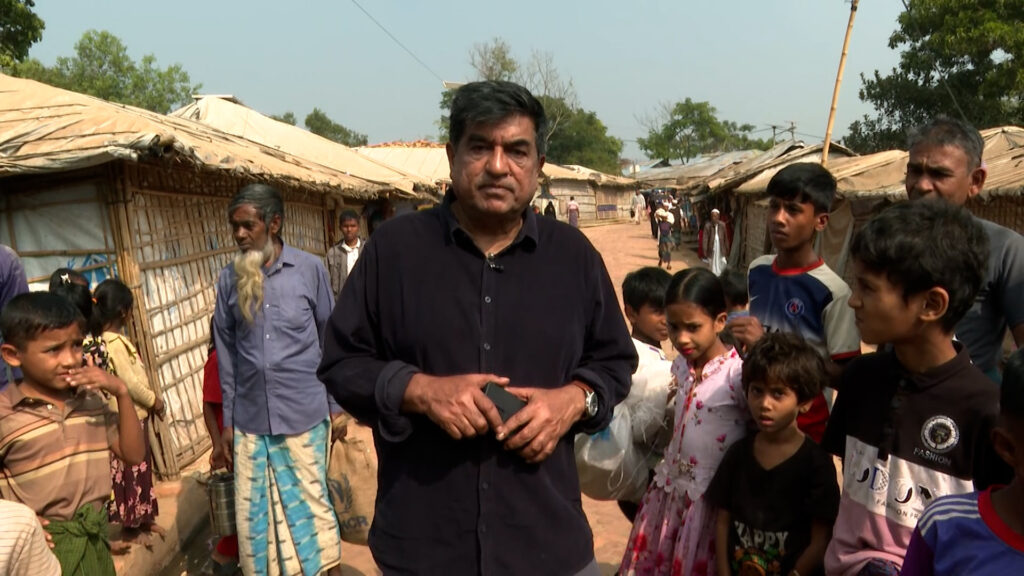
In the camps, life remains fraught with uncertainty. Access to education, healthcare, and employment is limited, and many refugees continue to live in cramped, makeshift shelters.
For now, the election results have done little to change their day-to-day existence. The Rohingya refugees watch closely but remain largely in limbo, caught between hope for political change and the harsh reality of their current plight.
The international community continues to call for Myanmar to recognize the Rohingya as citizens and to ensure their protection and rights as a fundamental step toward peace and reconciliation. Until these issues are resolved, the impact of any election on the Rohingya refugees is likely to remain minimal.