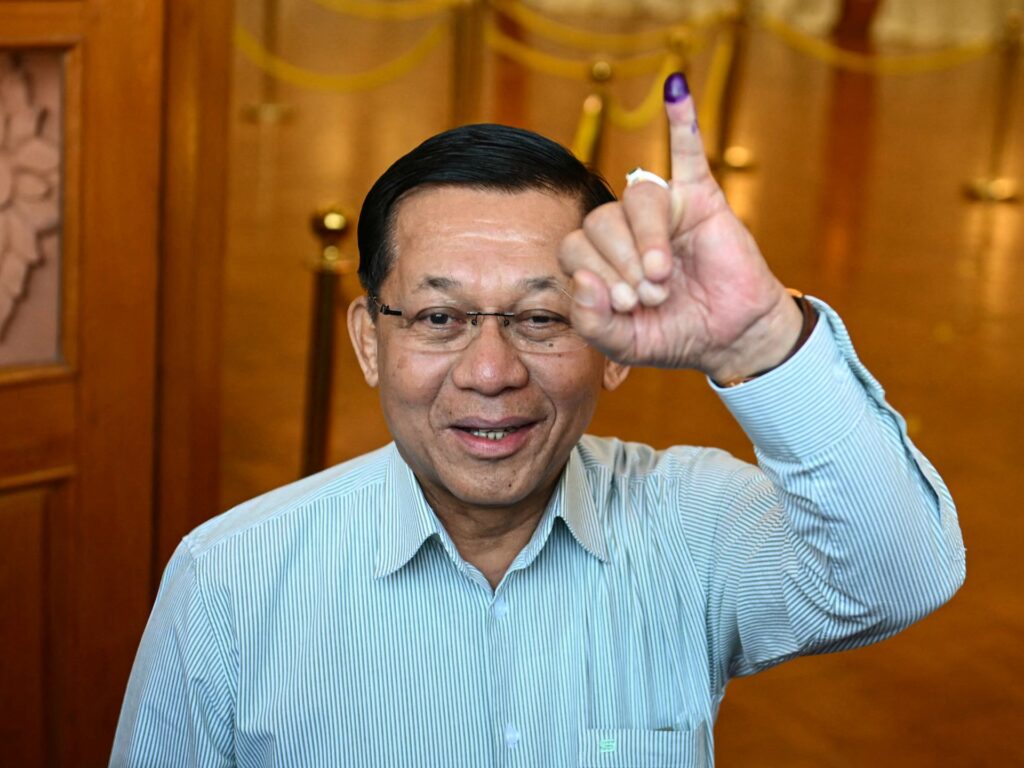
Myanmar has commenced its first election since the military coup that occurred in February 2021, reigniting domestic tensions and international scrutiny. Polling stations opened early morning, with voters lining up in many regions to cast their ballots for the new government representatives. This election is seen as a pivotal event in Myanmar’s political trajectory, marking a potential turning point or consolidation of military power.
However, the election process has been met with widespread criticism and skepticism from various quarters. The United Nations, numerous human rights organizations, and Myanmar’s democratic opposition parties have all condemned the election, labeling it neither free, fair, nor credible. They cite significant concerns over voter intimidation, the disqualification of opposition candidates, media suppression, and restricted access for international observers and independent monitors.
The military-backed Union Election Commission announced that the election would proceed despite these challenges, asserting that it represents a step towards restoring stability and democracy in the country. Yet, the opposition and international community remain unconvinced, arguing that ongoing repression and political turmoil render any results illegitimate.
Since the military coup in 2021, thousands of pro-democracy activists and leaders from the National League for Democracy (NLD), the party of detained ousted leader Aung San Suu Kyi, have been arrested or forced into hiding. The military’s attempt to hold an election is viewed by critics as an effort to legitimize its hold on power while sidelining genuine political opposition.
The election campaign period was marked by violent crackdowns on dissent, censorship of independent media, and reports of voter harassment, adding to the atmosphere of fear during the vote. Several prominent opposition figures were barred from participating, and regions with strong resistance against the military were either excluded from voting or experienced disruptions.
International responses have ranged from strong condemnation to calls for dialogue and the restoration of civilian rule. The UN has repeatedly urged the military to engage in meaningful negotiations with opposition groups and address ongoing human rights abuses. Many countries have threatened sanctions or reiterated existing ones, aiming to pressure Myanmar’s military to reconsider its approach.
Despite the controversy, military officials claim that the polls are necessary to transition the country back to civilian rule and maintain order. They insist that the election is transparent and that all eligible voters have the opportunity to participate, although independent verification remains limited.
The outcome of the election is likely to reinforce the military’s control, given the suppression of opposition parties and restrictive political environment. Analysts predict that even if the military claims a victory, the results will not be recognized by the majority of the international community or segments of Myanmar’s population.
As polls continue to close across the country, eyes are on Myanmar to see whether this election will bring a semblance of peace and legitimate governance or deepen the political crisis. For many citizens, the hope for a free and democratic future remains uncertain amid reports of voter intimidation and lack of transparency.
This election therefore stands as a critical juncture for Myanmar, representing either a return to stability under military guidance or an ongoing struggle for democracy by its people and international advocates.