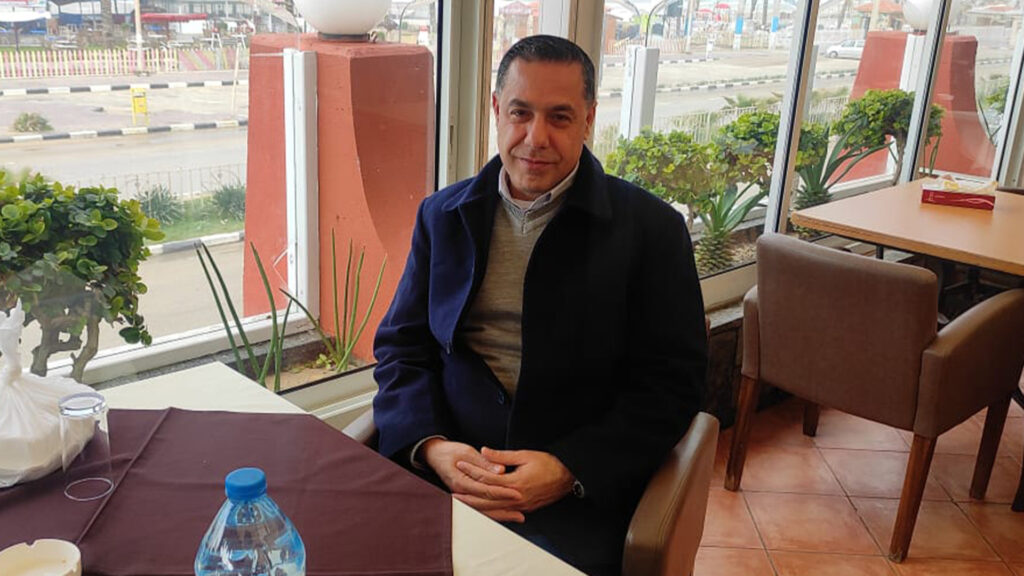
Dr. Hussam Abu Safia, a respected physician from Gaza, has been held in Israeli detention for an entire year without being formally charged, sparking international outrage and calls for his immediate release. The prolonged detention of Dr. Abu Safia has deeply affected his family, especially his son, who has made heartfelt pleas for his father’s freedom.
Dr. Abu Safia is a prominent medical professional known for his dedication to providing healthcare in Gaza, an area frequently affected by conflict and humanitarian crises. His arrest and continued detention without trial is emblematic of a broader issue regarding the treatment of Palestinian detainees in Israeli custody.
The circumstances of Dr. Abu Safia’s detention were initially unclear, with Israeli authorities not releasing formal charges against him, a practice that some human rights organizations condemn as administrative detention. This policy allows for detention without trial based on secret evidence, raising serious concerns over due process and the protection of legal rights.
Family members have described their anguish and the emotional toll of Dr. Abu Safia’s absence. His son has publicly urged Israeli authorities to reconsider the prolonged detention, emphasizing that his father has not been allowed to defend himself in a court of law.
International human rights organizations have also weighed in on the case, highlighting it as part of a pattern of detentions that target Palestinian activists, professionals, and prominent figures under administrative detention laws. These groups argue that such detentions undermine the principles of justice and transparency.
Legal experts point out that holding individuals without charge for extended periods challenges international legal standards, including provisions outlined in the Fourth Geneva Convention, which protects detainees’ rights during times of occupation.
The United Nations and other international bodies have called for greater scrutiny of the use of administrative detention and for the Israeli government to adhere to international human rights obligations. They stress the necessity for transparent legal procedures and the protection of individual liberties.
Despite these appeals, Dr. Abu Safia remains in detention, symbolizing the complex and often contentious nature of security measures and human rights considerations in the Israeli-Palestinian context.
The case has also drawn attention to the broader humanitarian situation in Gaza, where medical infrastructure and personnel face ongoing challenges due to political instability and conflict. The detention of healthcare workers like Dr. Abu Safia not only impacts individuals but also the wider community’s access to essential medical services.
Advocates are calling for renewed efforts to ensure that detainees like Dr. Abu Safia receive fair treatment and that their detention is justified with transparent legal bases. They emphasize the importance of respecting human dignity and the rule of law in conflict zones.
As the anniversary of Dr. Abu Safia’s detention approaches, his supporters continue to mobilize, both locally and internationally, urging authorities to release him and to uphold human rights standards. The situation remains a poignant reminder of the ongoing challenges facing many in the region, caught between security concerns and the imperative to uphold justice and human rights.