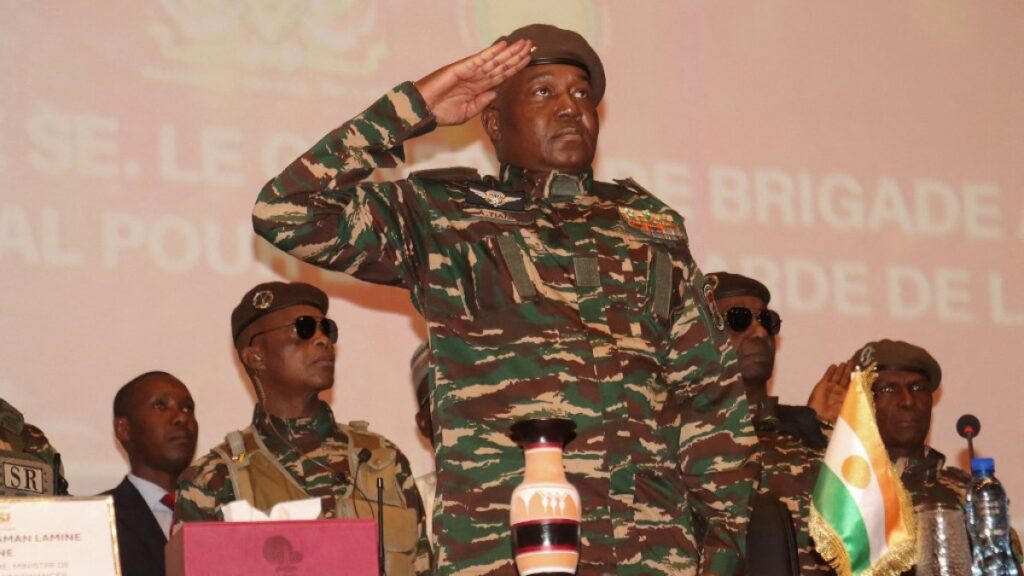
Niger’s military rulers have formally ordered a ‘general mobilisation’ in response to escalating threats from various armed groups operating within the country. This decisive move marks an extension of the military’s emergency powers, underscoring the seriousness of the security challenges faced by the nation.
The military government has announced that, as part of this mobilisation, it reserves the right to requisition people, property, and services as deemed necessary to bolster national defense and restore stability. This includes potential conscription of citizens, use of private and public assets, and commandeering of infrastructure to support military operations.
This expanded authority reflects the growing concerns over armed insurgencies and violent groups that have increased their activities, threatening both urban and rural areas throughout Niger. The military leaders emphasized that these measures are temporary but essential to secure the nation and protect its citizens.
Such a mobilisation effort aims to unify national resources and manpower to effectively combat armed groups, which have posed significant risks to public safety, government institutions, and economic activities. The military’s readiness to exercise broader powers highlights the critical nature of the crisis.
Local communities have been urged to cooperate with security forces and support the national effort, as the government pledges to work towards restoring peaceful conditions as swiftly as possible.
Niger’s military leadership has also warned that failure to comply with requisition orders may result in legal consequences, emphasizing that every individual and entity has a role in ensuring the country’s security.
This unprecedented general mobilisation signals a shift towards a more militarized approach in handling internal security threats and represents a critical juncture in Niger’s ongoing efforts to maintain order amid persistent insurgent challenges.
Observers note that while these emergency powers are expansive, the success of such measures will depend heavily on coordination between military authorities, local populations, and international partners dedicated to stabilizing the region.
As this mobilisation unfolds, Niger remains committed to balancing the enforcement of security with respect for civil rights and aims to resume normalcy as soon as the threat subsides. The military regime has assured that these powers will be exercised responsibly and with the nation’s long-term peace in mind.