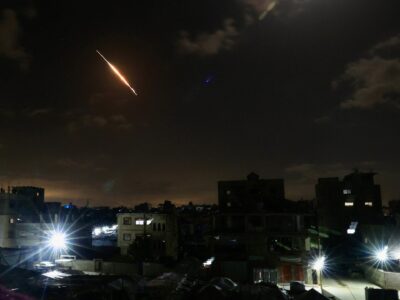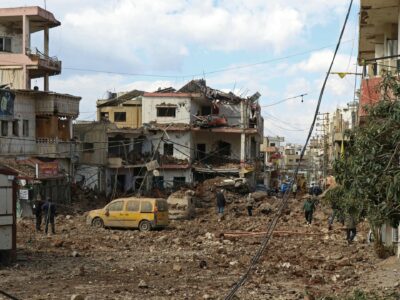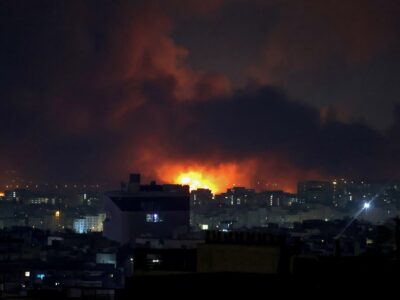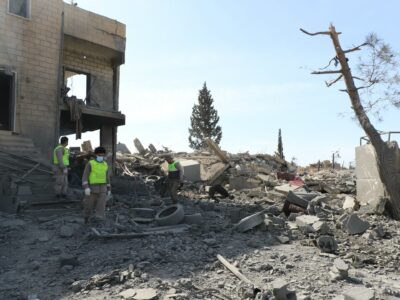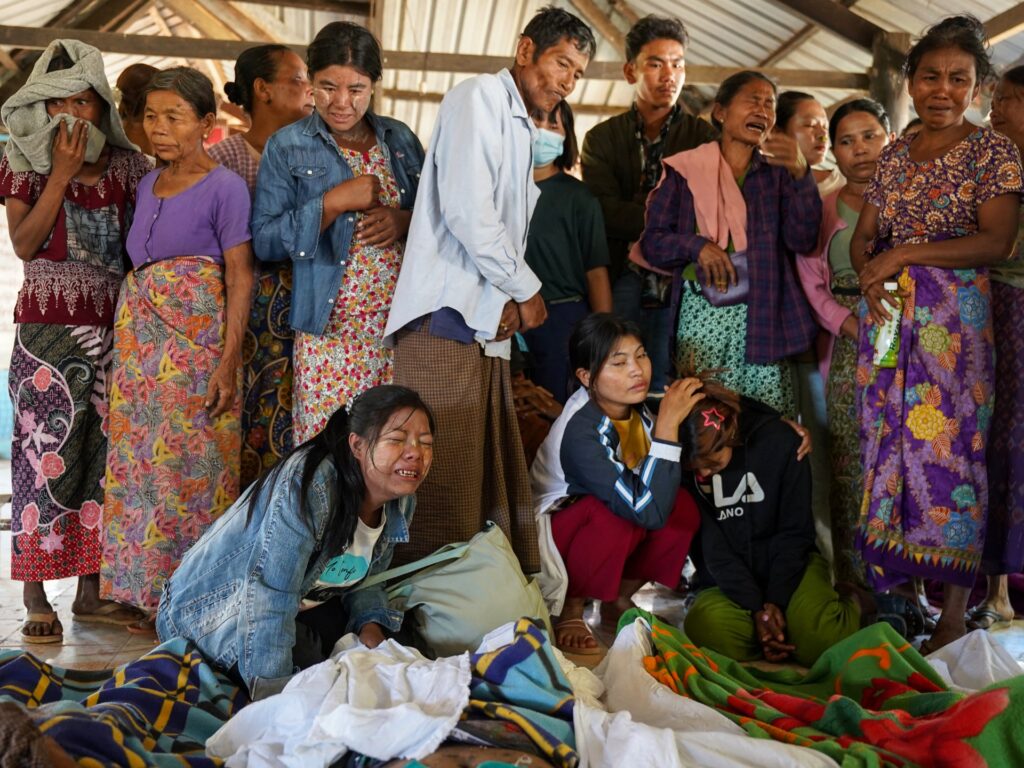
Myanmar is currently deep in a civil war triggered after the military’s seizure of power in February 2021. The military has recently staged elections in an attempt to legitimize its rule amid ongoing conflict. These elections are widely seen as a move to entrench military authority despite widespread resistance.
Since the coup, various ethnic armed organizations and newly formed resistance groups have escalated their fight against military control. The military, officially known as the Tatmadaw, is aggressively working to claw back territory lost to opposition forces, leading to intense clashes and a worsening humanitarian crisis.
The conflict has displaced hundreds of thousands of people, with many fleeing to remote areas or neighboring countries. The fighting affects both rural and urban regions, making life increasingly dangerous and unstable for civilians.
In parallel, China plays a significant role behind the scenes, pushing for stability in Myanmar. Beijing is concerned about regional security and its strategic interests along their shared border. China has encouraged dialogue to reduce violence but also maintains close ties with the Myanmar military government.
Internationally, many countries and organizations have condemned the military’s actions and called for the restoration of democratic governance. Sanctions have been imposed, yet the military retains control over critical state functions and resources.
As the military holds elections, many see the process as lacking credibility, given that key opponents are barred from participation and the political environment is heavily suppressed. The situation remains volatile, with no clear resolution in sight.
The civil war’s protraction means ongoing suffering for Myanmar’s population and has profound implications for regional peace and stability. The conflict underscores the deep divisions within Myanmar’s society and the challenges ahead for any reconciliation and peace-building efforts.