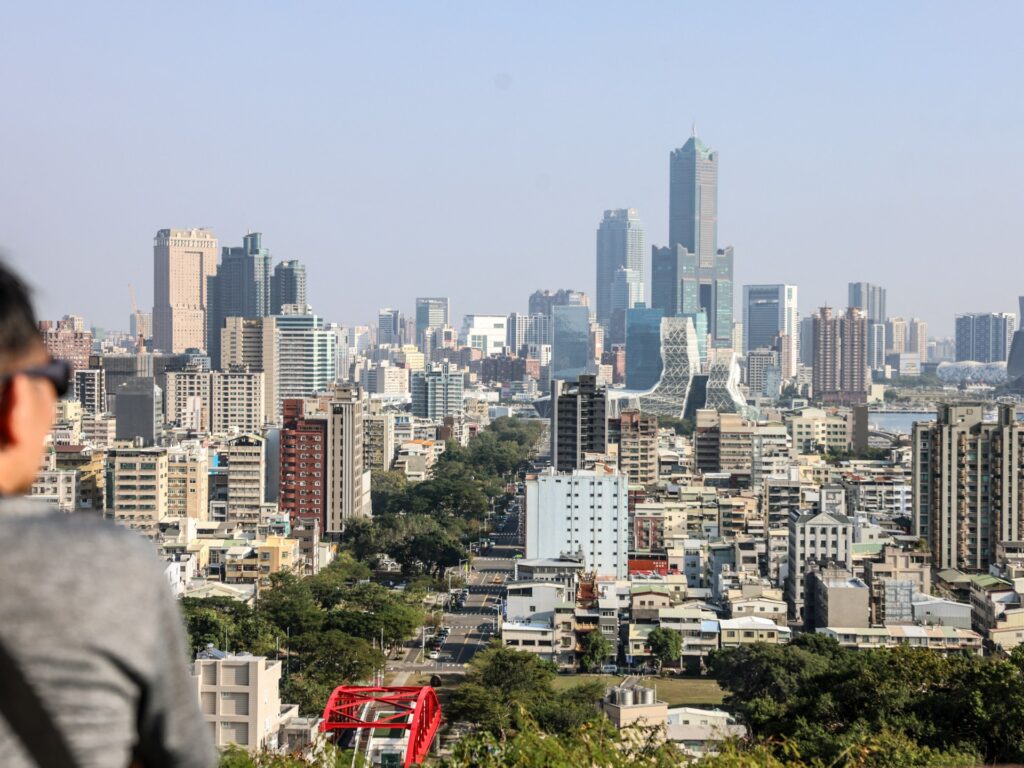
Taiwan was recently shaken by a powerful earthquake registering a magnitude of 7.0. Despite the significant strength of the quake, authorities have reported no major damage or casualties, bringing relief to the local population. The Central Weather Administration in Taiwan indicated that the earthquake’s impact was mitigated by its depth and the fact that it occurred offshore. These factors generally reduce the surface shaking and lower the associated risk of destruction.
The earthquake’s epicenter was located beneath the ocean, which tends to lessen the intensity of ground movement experienced by coastal areas and inland regions. This geographic aspect has helped to contain the devastation that could have happened with such a strong seismic event. Seismologists continue to monitor the situation closely, checking for any aftershocks or related seismic activities that might pose further risks.
Taiwan lies on the Pacific Ring of Fire, a region known for its high seismic activity, making earthquakes a common natural hazard in the area. The government and local agencies have ongoing disaster preparedness programs to ensure public safety during such events. Since Taiwan is prone to earthquakes, infrastructure in the region is often built or retrofitted to withstand strong tremors, which likely contributed to the limited damage experienced this time.
Emergency response teams were activated promptly following the quake, conducting assessments and reassuring residents about the situation. There were no immediate reports of injuries or property loss, highlighting the effectiveness of Taiwan’s disaster readiness and response systems.
Residents were advised to remain vigilant and prepare for possible aftershocks while continuing their daily activities. The government emphasized the importance of maintaining clear communication channels and following official instructions to minimize panic and misinformation.
Overall, the recent magnitude 7.0 earthquake serves as a reminder of Taiwan’s geographic vulnerability to seismic events. However, the quick response, structural resilience, and favorable quake characteristics helped avoid a major disaster. Authorities maintain their watchful stance and encourage the public to stay informed and prepared as Taiwan lives with the reality of earthquakes.
In conclusion, while the magnitude 7.0 earthquake could have brought significant disruption or damage, the impact was limited due to its deep offshore location. Taiwan’s experience highlights how geological factors and robust preparedness strategies play critical roles in managing natural hazards, ensuring community safety, and fostering resilience against future earthquakes.