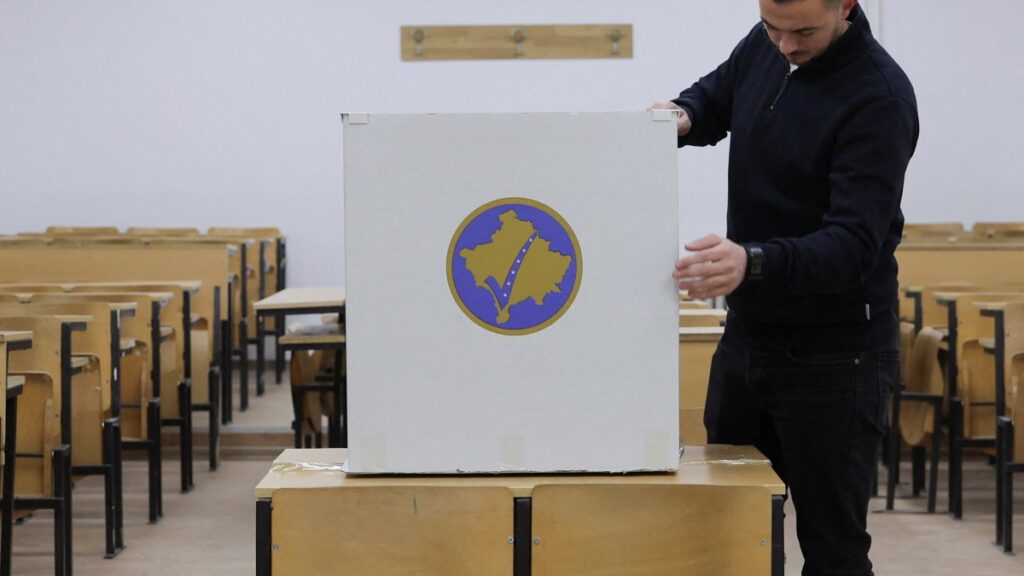
Kosovo has held snap elections with the aim of ending a year-long political deadlock that has stalled government progress. The Balkan nation, still grappling with a complex political landscape, is voting again in hopes of moving past the stalemate that has hindered effective governance.
Prime Minister Albin Kurti is the focal point of this election, seeking to secure a majority that would allow him to form a stable government. Kurti’s current administration has faced difficulties in consolidating power due to fragmented political alliances and opposing factions within Kosovo’s parliament.
The political deadlock originated from disagreements between various parties regarding governance strategies and policy direction, preventing the passage of critical legislation and impeding economic and social reforms. Additionally, ongoing tensions related to Kosovo’s relationship with Serbia have added to the complexity of governing.
Kurti, who has been a prominent figure in Kosovo’s post-independence politics, campaigned on promises to break the impasse by fostering national unity and focusing on key issues such as economic development, anti-corruption measures, and international recognition efforts.
The snap election was called after it became clear that the existing government coalition could not function effectively, with opposition parties unwilling to cooperate under the current terms. The election process itself is seen as a critical step toward restoring political stability and ensuring that the government can operate with the legitimacy and authority necessary to implement reforms.
International observers and Kosovo’s allies have been closely monitoring the situation, emphasizing the importance of a transparent and fair election. Stability in Kosovo is considered crucial not only for the nation’s progress but also for the broader stability of the Balkans region.
Voter turnout and election results will determine the next phase of Kosovo’s political journey. Should Kurti succeed in obtaining a clear majority, it would likely mark a turning point enabling the unblocking of stalled initiatives and a renewed focus on economic growth and regional cooperation.
Conversely, if political fragmentation persists, Kosovo risks continued instability, which could hamper international support and delay vital reforms. The snap election that unfolded in Kosovo represents both an opportunity and a test for the country’s democratic institutions and political leadership as they strive to overcome challenges and secure a stable future.