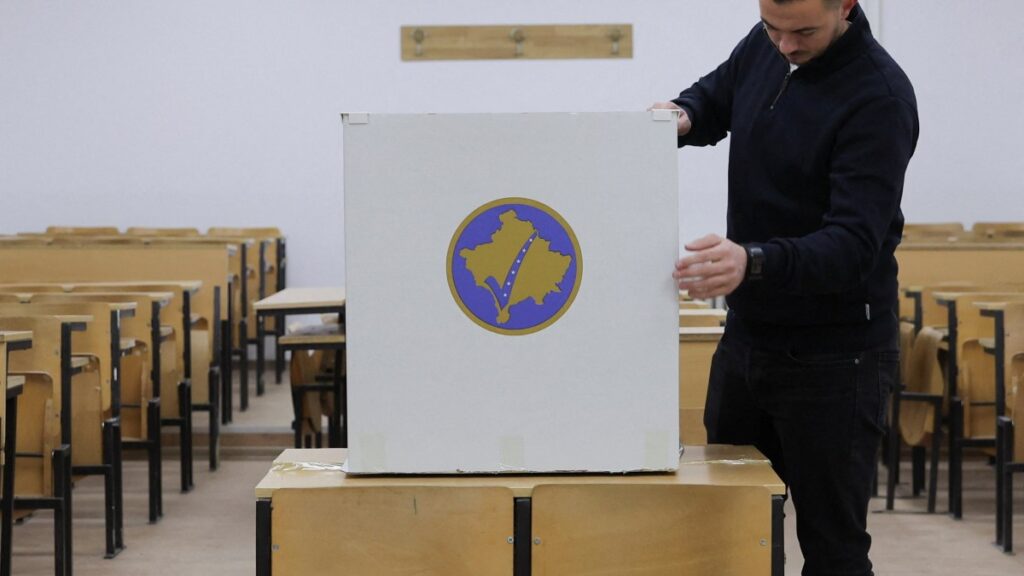
Kosovo has gone to the polls in a snap election aimed at resolving a prolonged period of political deadlock. The Balkan nation, which has faced instability over the past year, hopes to establish a functioning government through this electoral process.
Prime Minister Albin Kurti, who leads the Vetëvendosje party, is seeking to secure a majority in the Kosovo parliament. This majority is crucial for breaking the deadlock that has hindered governance and delayed major policy decisions. Kurti’s political rivals and various opposition parties face significant challenges in assembling a coalition capable of forming a stable government.
The election comes after months of political strife, characterized by stalled negotiations and an inability of parties to find common ground. The deadlock has impacted everyday governance and the implementation of reforms needed for Kosovo’s development and European integration aspirations.
Voter turnout and public response to the snap election are closely monitored, as the populace expresses fatigue over ongoing political uncertainty. The outcome will significantly influence Kosovo’s domestic policy direction and its diplomatic relationships in the Balkans and beyond.
Observers note the importance of this election not only for Kosovo’s internal stability but also for regional security. A stable government would allow Kosovo to focus on key issues such as economic growth, rule of law, and international recognition, particularly from countries that have yet to acknowledge its independence.
Albin Kurti’s administration has been marked by a focus on anti-corruption measures and social reforms, but achieving these goals depends on a solid parliamentary majority. Continued political stagnation threatens to revert progress and could lead to further public dissatisfaction.
The international community, including the European Union and the United States, has expressed support for a peaceful and democratic resolution. They emphasize the importance of the election’s credibility and the need for elected officials to prioritize national interest over partisan divisions.
As Kosovo waits for the election results, hopes remain high for a government capable of steering the country towards stability and growth. The snap election is seen as a critical step in ending the cycle of political impasse that has challenged Kosovo’s young democracy since its declaration of independence in 2008.
Ultimately, the snap election is more than a political contest; it is a test of Kosovo’s democratic resilience and its commitment to building a future grounded in unity and progress. The results will set the tone for Kosovo’s trajectory in the years to come, determining how successfully it can address both internal challenges and its role on the international stage.