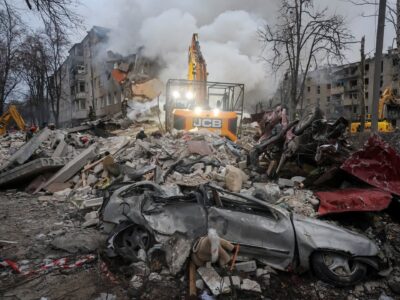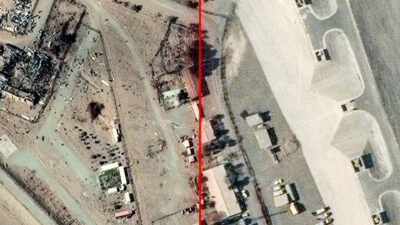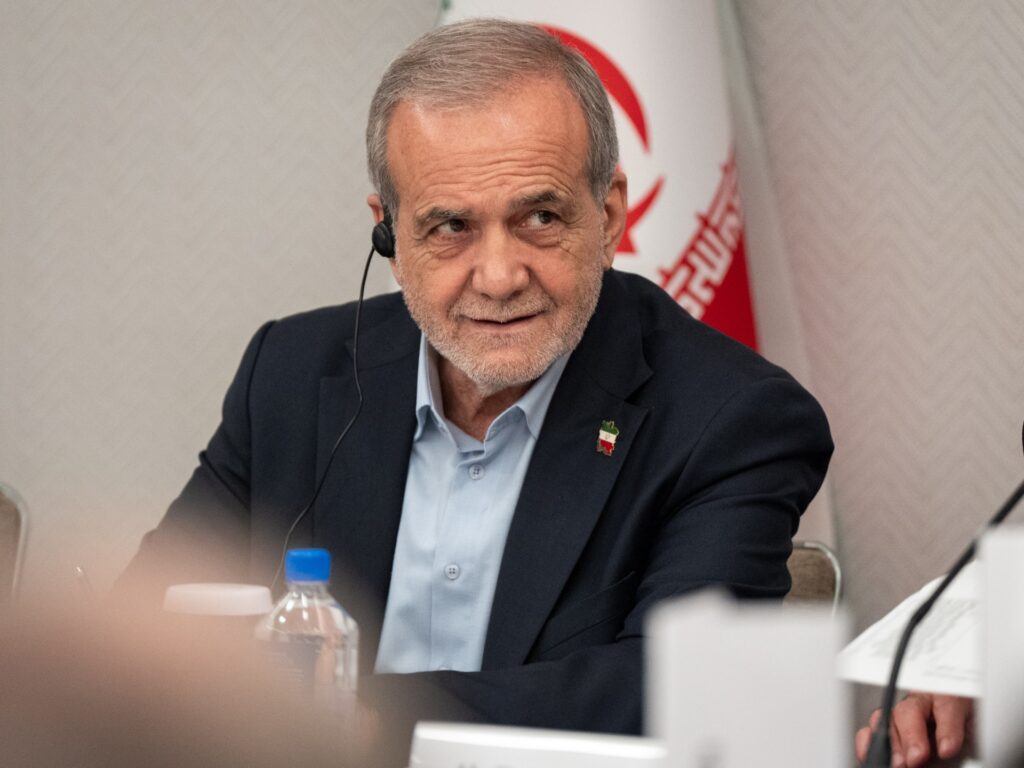
In a recent and forceful statement, the President of Iran accused the United States, Israel, and certain European nations of waging a “full-fledged war” against his country. This declaration underscores escalating tensions in the region, reflecting ongoing geopolitical disputes and confrontations.
The Iranian leadership’s condemnation highlights deep-seated animosities and mistrust between Iran and these Western nations. The president’s remarks came amidst increasing international pressures, including economic sanctions, diplomatic isolation efforts, and accusations against Iran’s policies and nuclear ambitions.
Furthermore, Iranian official Pezeshkian issued a stern warning that should Israel and the United States choose to attack Iran again, they would encounter a “more decisive response.” This warning alludes to a commitment by Iran to defend its sovereignty with heightened aggression, signaling potential escalation in military confrontations.
Such rhetoric is emblematic of the deteriorating diplomatic relations and growing security concerns surrounding Iran’s regional influence. The possibility of renewed hostilities raises alarm for global stability, especially given the strategic importance of the Middle East and the longstanding conflicts within the region.
Analysts suggest that Iran’s statement may be aimed at asserting deterrence, signaling that any military aggression against it will be met with significant retaliation. This could potentially complicate efforts by international actors seeking diplomatic resolutions and may lead to exacerbated geopolitical instability.
The involvement of Europe in the proclaimed ‘full-fledged war’ indicates that beyond the US-Israel axis, Iran perceives broader Western opposition, which could include continued sanctions, diplomatic pressures, and alliances meant to counter Iranian influence.
International observers are closely monitoring the situation, concerned that such escalations in verbal and possibly physical confrontations could spiral into broader conflicts affecting not only regional players but global powers as well.
The warning from Pezeshkian serves as a clear message that Iran is prepared to intensify its defense measures, potentially leading to an arms buildup or increased support for proxy groups in regional conflicts. This dynamic could further destabilize already fragile geopolitical balances.
In summary, the Iranian president’s public accusations and Pezeshkian’s warning underscore a heightened state of hostility between Iran and a coalition of Western countries led by the US and Israel. The implications of these tensions could be profound, necessitating careful diplomatic engagement to prevent conflict escalation and promote regional stability.