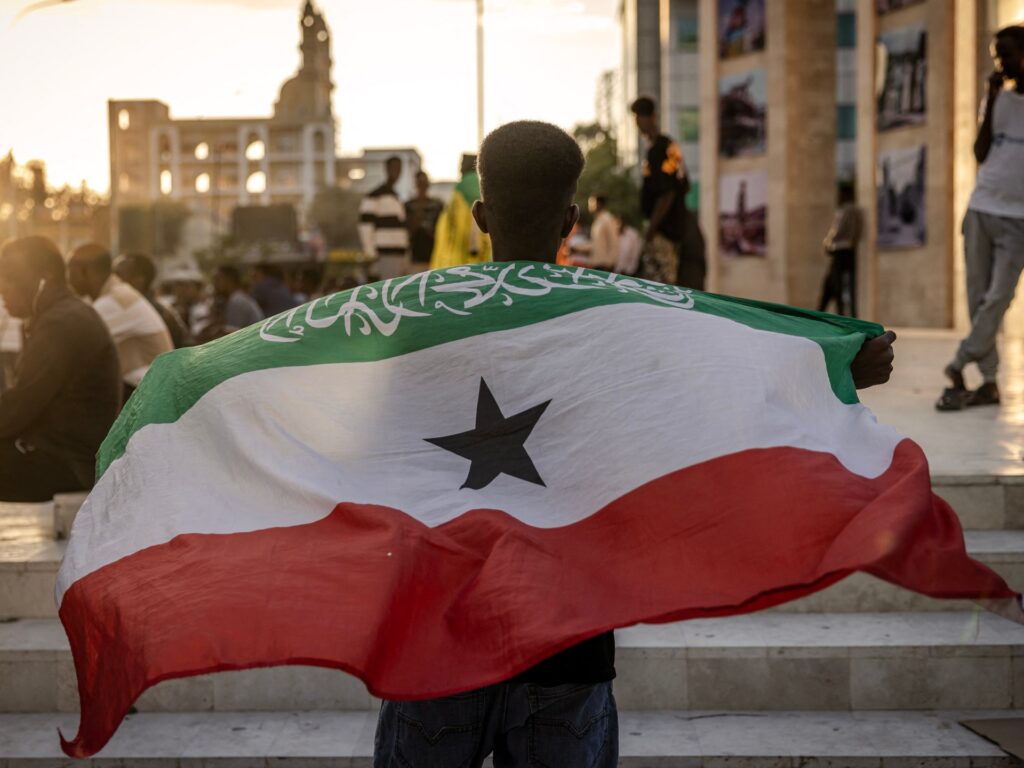
Israel’s recent decision to formally recognize Somaliland as an independent state has sparked widespread condemnation from regional blocs and nations around the world. Somaliland, a breakaway region in northern Somalia, declared independence in 1991 but has not been internationally recognized as a sovereign state. Israel’s move marks a significant and controversial shift in international diplomacy, triggering a strong reaction from various global players.
Regional organizations, including the African Union and the Intergovernmental Authority on Development (IGAD), have jointly expressed their disapproval of Israel’s acknowledgment of Somaliland’s sovereignty. These groups stress the importance of preserving Somalia’s territorial integrity and view Israel’s recognition as a violation of international norms.
Several countries, spanning multiple continents, have also voiced their condemnation. Nations such as Turkey, the United Arab Emirates, and many Western European countries have called on Israel to reverse its decision, warning that this recognition could destabilize the Horn of Africa region and encourage other separatist movements.
Analysts suggest that Israel’s recognition of Somaliland might be driven by strategic interests, including access to ports along the Gulf of Aden and strengthening alliances in the Red Sea corridor. However, critics argue that this move jeopardizes peace efforts in Somalia and undermines the African Union’s sovereignty principles.
In Somalia itself, the government has denounced Israel’s recognition as an infringement on its sovereignty and has threatened to sever diplomatic ties. Public protests have erupted in Mogadishu and other major Somali cities, reflecting widespread national outrage.
Furthermore, geopolitical experts highlight the broader implications of this recognition for international relations in the Horn of Africa. They warn it could prompt rival regional actors to reassess their alliances and increase tensions among neighboring countries.
The United Nations has called for dialogue and restraint from all parties involved, emphasizing respect for international law and the sovereignty of member states. UN officials have urged Israel, Somalia, and regional actors to engage in constructive discussions to avoid further escalation.
Meanwhile, Israel maintains that its recognition is based on Somaliland’s functioning government, relative stability, and economic potential compared to the rest of Somalia. Israeli officials suggest this step aims to foster new trade and security partnerships in a strategically important region.
Despite the backlash, Israel’s move might encourage other countries to consider recognizing Somaliland, potentially opening a new chapter in the region’s political landscape. However, such decisions are likely to remain contentious and deeply divisive in international forums.
The controversy underscores the delicate balance between strategic geopolitical interests and respect for established international norms. Observers will be watching closely to see how this diplomatic rupture evolves and what impact it may have on peace and stability in the Horn of Africa.
In summary, Israel’s recognition of Somaliland has unleashed a global diplomatic storm, uniting varied actors in criticism and posing challenging questions about sovereignty, stability, and international diplomacy in a historically complex region.